Master Race Charts, Speed Figures and Trainer Patterns for Smarter Betting
learn to read race charts, speed figures and trainer patterns so you can spot where the money, and the edge, actually is.
1. Race charts, the play-by-play that separates guesswork from edge
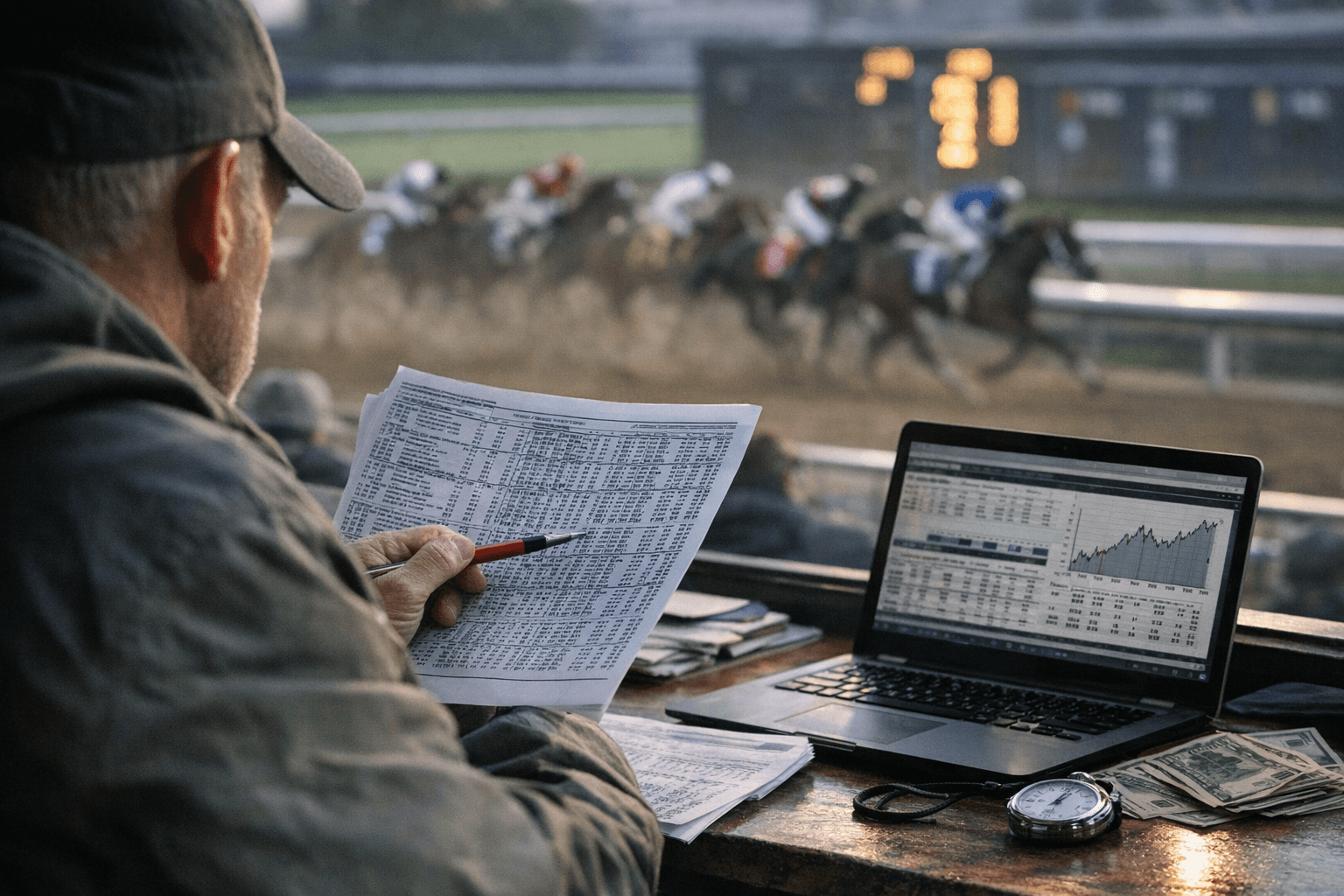
Reading a race chart is like watching the race three times: the running line shows intent, the fractions show pace, and the comments reveal the trouble nobody notices on the replay. A chart lists the horse, age/sex, jockey, trainer, post, weight carried and final odds, but the crucial pieces are the positions at the calls (usually 1/4, 1/2, 3/4 or stretch), the fraction times and the chartmaker’s comments on trip and equipment. Learn to translate “bumped start” or “checked 3/16” into lost ground and adjust your expectation; a troubled trip often masks a performance that speed figures underrate. Finally, compare the final time to the track’s variant and look for whether the horse closed from off the pace or controlled it, that pattern dictates which races the horse can repeat.
2. Speed figures, what they are and how to use them sensibly
Speed figures compress a horse’s raw time into a single number adjusted for track and day, think of them as the shorthand for “how fast, adjusted for conditions.” Commonly used figures (Beyer, Equibase, Timeform/BRIS types) differ in scale and methodology, but the betting principle is the same: you seek a figure that consistently outpaces this field. Don’t treat a lone high figure as gospel; look for consistency and recent trends. A horse posting two solid figures within 5 points of each other in its last three starts is a different animal than one with a single spike followed by decline; when a horse’s figure is 8–12 points better than the rest of the field, that’s an actionable edge, especially in handicap races where weight tries to close gaps.
3. Trainer patterns, where quiet knowledge becomes money
Trainers are the chess players; patterns are their opening moves. Track a trainer’s recent strike rate at the meet, surface and class level, are they shipping in from out of town, or dominating locally? Serious bettors catalog how a trainer performs with first-time blinkers, second starts after layoffs, and with class drops into claiming or purse-restricted handicaps. Also watch for trainer-jockey alliances: a hot trainer who hooks up with a leading rider is often worth a price cut. In stakes company, trainers target black-type and Derby-qualifying points differently than in handicaps; understanding a trainer’s calendar, whether they’re stacking entries for a stakes score or shaving weight for a handicap, reveals motive and expected preparation.
4. Stakes vs. handicaps, different beasts, different signals
Stakes races usually feature set weights, weight-for-age conditions, or stakes allowances; handicaps assign variable weights to equalize the field. That structural difference changes how you read charts and figures: a stakes horse carrying weight-for-age with a top figure is often durable from race to race, whereas a high figure in a handicap may have been aided by light impost or soft early fractions. Trainers running for stakes are often preserving route readiness and black-type, while in handicaps barns hunt for favorable weight assignments and placement. Betting requires adjusting expectations: in stakes, prioritize class and proven step-up performance; in handicaps, prioritize weight relief, tactical fit and whether the speed figure was produced under similar impost.
5. How to synthesize charts, figures and trainer patterns into a betting plan
1. Start with the chart: identify who set or chased the pace, who was compromised by trip, and who finished with energy.
2. Layer in speed figures: rank horses by a rolling three-race figure average and flag anyone 8–12 points clear.
3. Add trainer pattern filters: check the trainer’s recent strike rate on surface and class, equipment changes, and whether the barn tends to win at the distances offered.
4. Adjust for weight and pace context: a 5-pound swing can be decisive in sprint handicaps; long-distance route form is more forgiving of small weight changes.
5. Convert this synthesis into bets, use win bets when you have a solid favorite by figure and trip, advance to exactas/trifectas when you see pace conflicts or public overbets, and protect bankrolls with small multi-race plays when trainer patterns suggest day-long advantage. Treat the combination as probabilistic: your goal is to find bets where implied odds (the price) understate the true chance implied by charts, figures and trainer intel.
- Pace profiles: if the early fractions are likely to be fast, downgrade front-runners who earn their best figures on soft pace days; promote closers who benefited from hot pace collapses.
- Weight math: use weight changes as a rule-of-thumb, drops of 5+ pounds often produce measurable gains in sprints, while in routes they matter less but can still influence late kick.
- Equipment: blinkers on/off, tongue ties, and Lasix changes matter because charts will flag them; a blinkers-on move combined with a trainer known to improve first-time equipment often signals a forward move.
- Track variant: always normalize raw times to the day’s variant before comparing; a 1:36 mile on a slow variant is not the same as the same time on a fast one. Without the variant you’re evaluating apples against oranges.
6. Practical nits: pace profiles, weight math, equipment and the track variant
7. Mistakes that cost money and how to avoid them
The most common losing plays come from three failures: relying on raw final times without variant, treating one high figure as proof of class, and ignoring trainer context. Public players hammer favorites after a visually dominant win; serious bettors check whether the winner had a perfect trip against weak fractions and whether the trainer was exploiting a short-term table set. Also, don’t ignore negative trainer signals, frequent starters for the same barn at multiple tracks or sudden ship-ins without layoff can indicate opportunistic placements, not sustainable form.
- Read the chart: trip notes, positions at calls, final odds.
- Compare three-race speed figure averages and flag 8–12 point edges.
- Verify trainer pattern: local strike rate, equipment tendencies, and trainer-jockey combos.
- Adjust for class (stakes vs. handicap) and weight assignments.
- Make a bet only when price disagrees with the synthesis, if the tote pays less than your calculated value, pass.
8. Quick checklist to use at the windows or on the tote board
Final take: Mastering these three pillars, charts, figures and trainer patterns, turns reactive betting into proactive advantage. Track the small edges (an 8–12 point figure gap, a consistent trainer pattern, a meaningful weight swing) and the bets line up; ignore them and you’re trading gut feelings for the tote board’s profit. The difference between passive viewing and a profitable day at the track is discipline: read the chart, trust the numbers, respect the trainer patterns, and let the market prove you right.
This article was produced by Prism’s automated news system from verified source data, official records, and press releases, then run through automated quality and moderation checks before publishing. The system is built and supervised by the people who set the standards it runs under. Read our full AI policy.
Did this article answer your question?