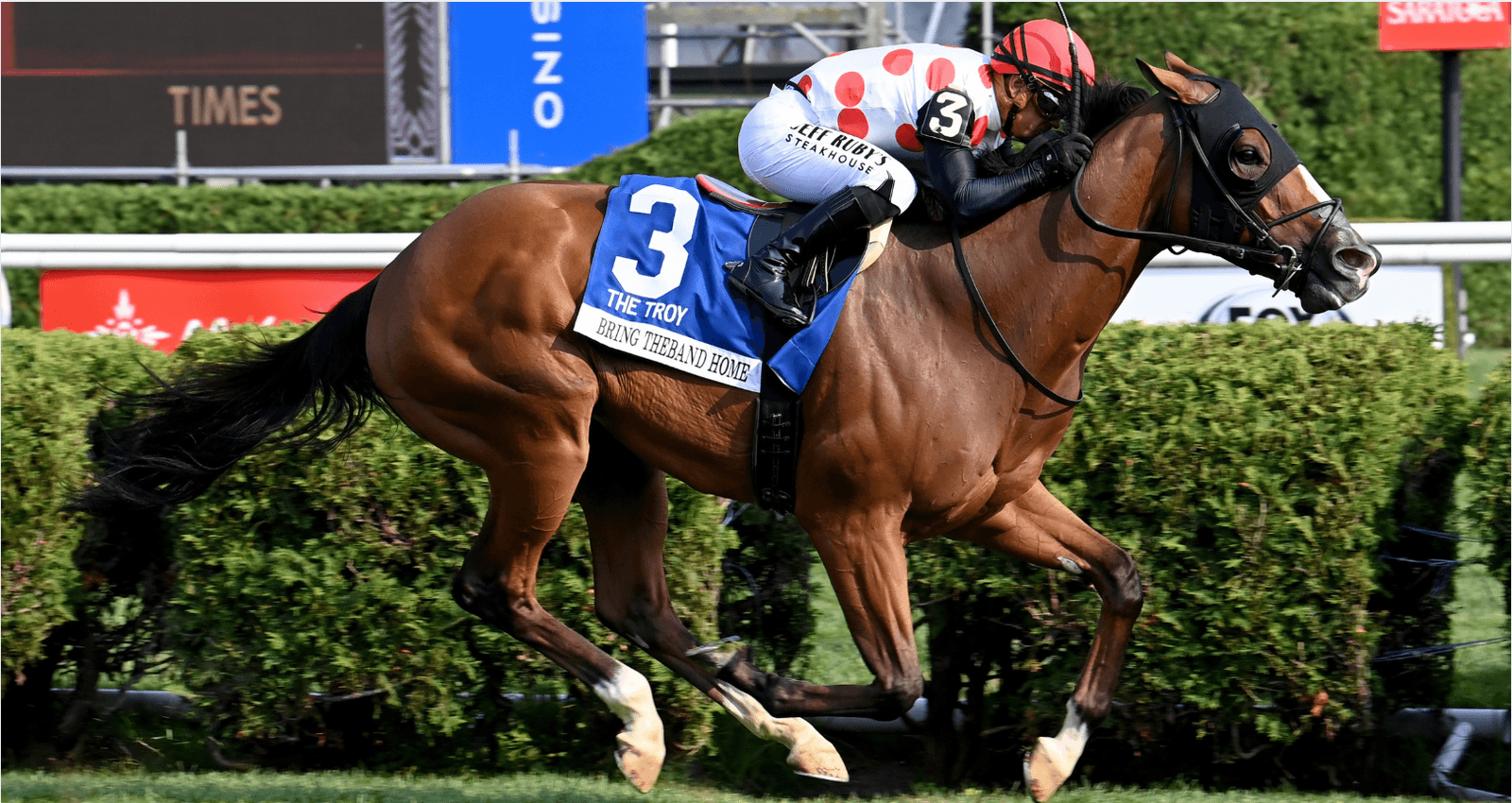
National Museum of Racing Reduces Voting Panel, Overhauls Election Procedures for 2026
The National Museum of Racing cut its contemporary voting panel to 154 and tightened ballot rules to restore credibility ahead of the 2026 Hall of Fame election.
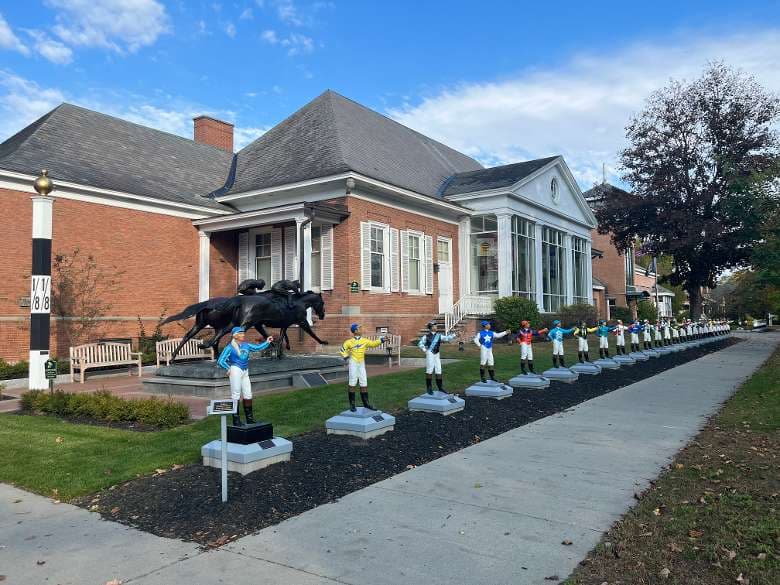
The National Museum of Racing and Hall of Fame trimmed and reconstituted its contemporary electorate and introduced new ballot limits and voting procedures intended to tighten integrity as the sport heads into the 2026 election cycle. Hall officials said the changes aim to ensure voters are “deeply connected to the sport, knowledgeable, passionate and responsive.”
The announcement in Saratoga Springs, N.Y., revealed the contemporary voting panel now numbers 154 members, down from 172 last year. The organization said “over two dozen voters are being dropped” after a survey last December, and that new voters were invited to participate, producing the smaller roster. The published figures do not reconcile the exact number of electors removed or added; the Hall has not released names or affiliations of those affected.
Procedural reforms are substantial. Retired horse, jockey and trainer finalists selected by the nominating committee may appear on the Hall of Fame ballot a maximum of 10 times. Previously, candidates had no limit on finalist appearances during the 25-year eligibility window before transition to the historic review process. There will be no limit on how many times an active jockey or trainer can appear on the ballot. Voting will be conducted by email through an independent auditor, and paper ballots will no longer be mailed. Voters also will receive past voting percentages as a reference tool to evaluate candidates and trends.
Nominating committee chair D.G. Van Clief framed the overhaul as a governance move to protect the institution’s standards. “Our goals are to ensure this process is always defined by absolute integrity and that it yields the most deserving class of Hall of Fame inductees each year,” Van Clief said. “I am confident that the Hall of Fame will be welcoming inductees to its ranks who will make the sport proud and stand the test of time.”
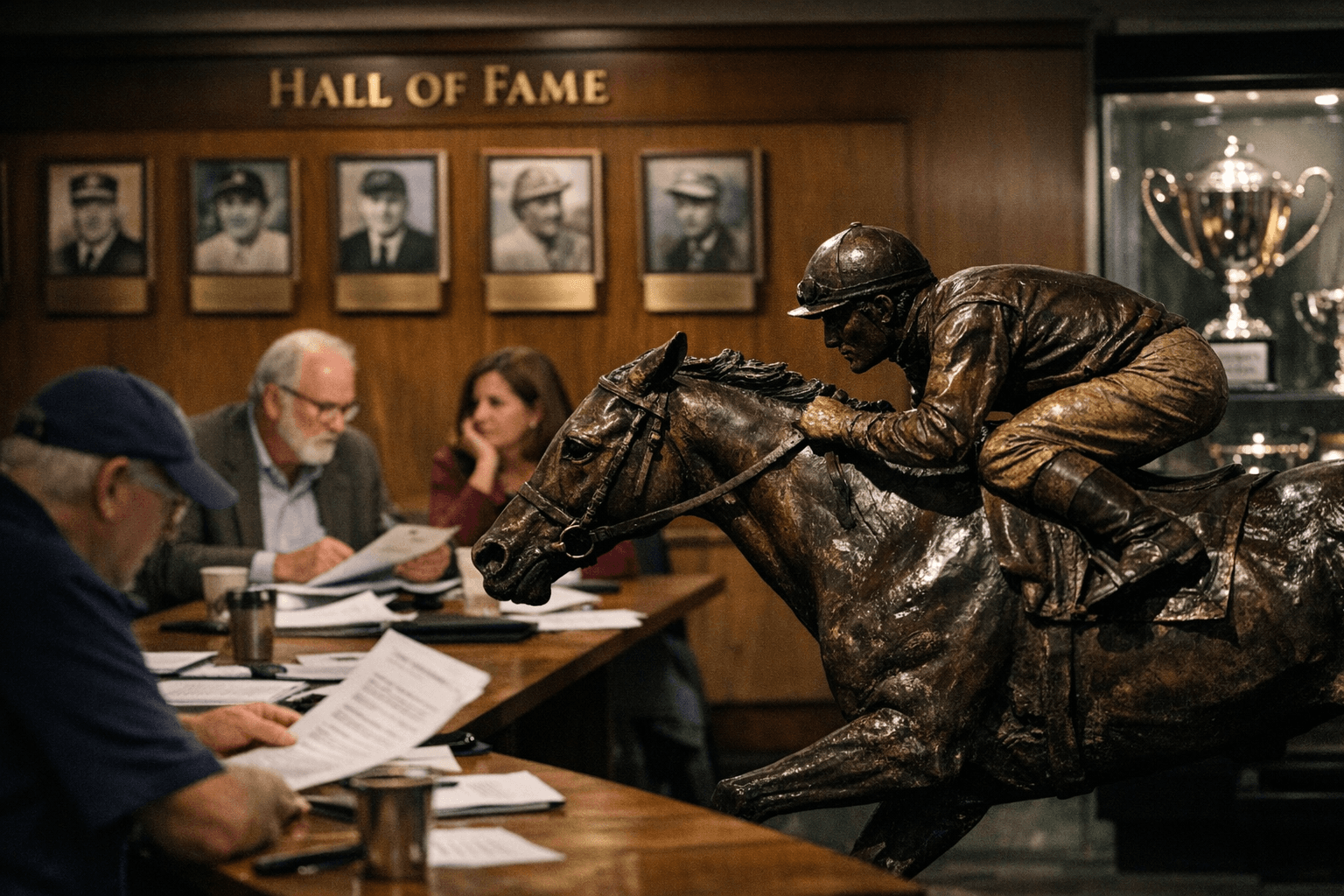
The changes reflect a broader moment in sport governance, with other halls of fame considering how electorates reflect contemporary knowledge and standards after contentious selections in other codes. Racing stakeholders will watch whether the new email voting system and the use of past voting percentages favor established favorites or allow rising candidates to gain traction.
For racing on the track, the season’s marquee moments remain central to narratives about candidacy. Sovereignty, ridden by Junior Alvarado, crossed the wire to win the 151st Kentucky Derby, followed by Journalism, ridden by Umberto Rispoli, a high-profile result that will feed debates about horses, jockeys and trainers for Hall consideration.
Practical questions remain for voters and fans. The Hall has not named the independent auditor, disclosed the precise count of electors removed, or clarified if the 10-appearance cap will be applied retroactively to candidates already on ballots. For readers who follow Hall of Fame politics, the reforms signal a tighter rein on the electorate and a more data-driven voting process. Expect scrutiny of the new roster, watchlists for 2026 finalists, and follow-up reporting on how the changes affect which careers are ultimately enshrined.
This article was produced by Prism’s automated news system from verified source data, official records, and press releases, then run through automated quality and moderation checks before publishing. The system is built and supervised by the people who set the standards it runs under. Read our full AI policy.
Did this article answer your question?