O'Brien's Oaks and Derby trial domination points to more Classic winners
O'Brien's spring trial sweep has forced the Derby and Oaks market to reprice his stable again. Collins's bias notes help show which winners looked unstoppable and which still need asterisks.
The market has already moved
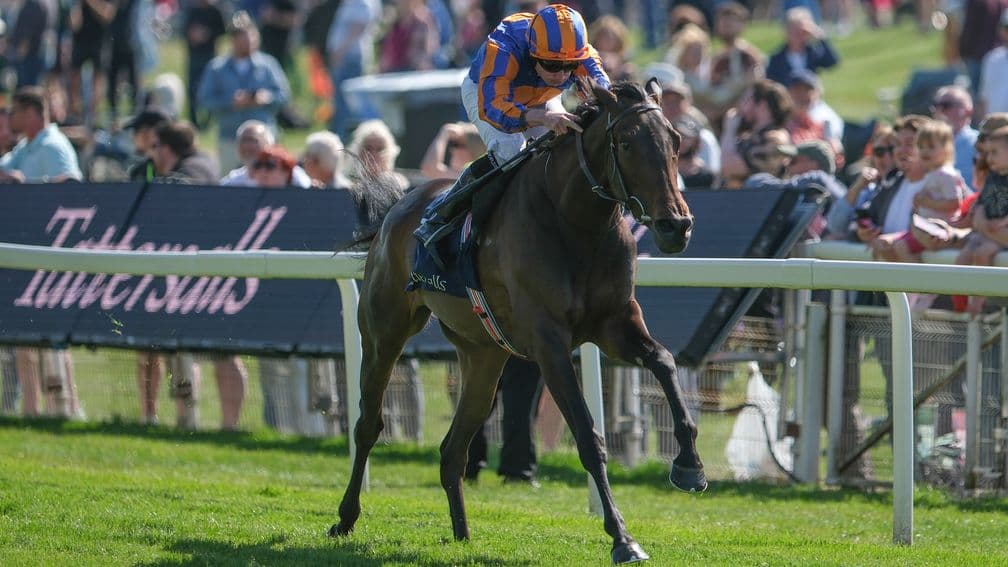
Aidan O'Brien did not just win another set of trials, he took control of the ante-post conversation. Racing Post described it as a remarkable tenth Classic trial win of the spring in 2025, a run that stretched across the Cheshire Oaks, Chester Vase, Lingfield Oaks Trial, Lingfield Derby Trial, Naas Oaks Trial, Leopardstown Derby Trial and the Musidora. When one stable keeps landing the major preps, the betting stops being about isolated performances and starts becoming about the strength of the Ballydoyle pipeline.
That is why Tom Collins's breakdown matters. His track-bias notes do not just praise the headline winners, they separate the horses that were genuinely superior from the ones whose form may have been helped by the way the race unfolded. For Derby and Oaks bettors, that distinction is the whole game: a horse can look dominant in a trial and still leave questions behind if the conditions leaned its way.
What Ballydoyle's sweep really told us
The scale of the spring sequence is what changes the frame. Ballydoyle did not collect one or two stray preps, it ran the table at Chester, Lingfield, Naas and Leopardstown, and it did so in the races that usually shape Classic opinion. That kind of clean sweep forces every rival yard to answer the same question: are they chasing one standout horse, or an entire production line that is peaking exactly when the Classics arrive?
Racing Post's broader Classic-trials coverage has repeatedly pointed out that O'Brien has won the British Oaks 10 times overall and seven times since 2012. That kind of record turns every spring trial into a market signal. If a Ballydoyle runner wins in a way that still looks convincing after the bias is stripped out, the price change is not hype, it is a rational adjustment to a trainer who keeps proving he can convert preps into trophies.
Minnie Hauk turned the Oaks trial work into the real thing
The clearest confirmation came at Epsom on 6 June 2025, when Minnie Hauk won the Betfred Oaks and gave O'Brien a record-extending 11th Oaks victory. Ryan Moore, who also collected his fifth Oaks win on the filly, had the perfect ride on a day when Whirl finished second and Desert Flower was third. That finish matters because it turns the spring chatter into hard evidence: the best O'Brien filly did not merely look good in a prep, she won the actual Classic.
For horsemen, that is the difference between a flattering trial and a dependable one. Minnie Hauk's Epsom win showed that the Ballydoyle dominance was not just about controlling pace or placement in the preps. It was about producing a filly who could absorb the pressure of the race that counts most, then deliver when the field around her was at full strength.
Where Collins's bias lens sharpens the picture
Collins's notes are useful because they stop the conversation from becoming one-note praise. Some O'Brien runners were helped by the shape of the race or the way the track played on the day, and those are the horses a bettor should treat with care. Others kept finding after the supposed advantage should have disappeared, and those are the ones that deserve to stay high in the Classic pecking order.
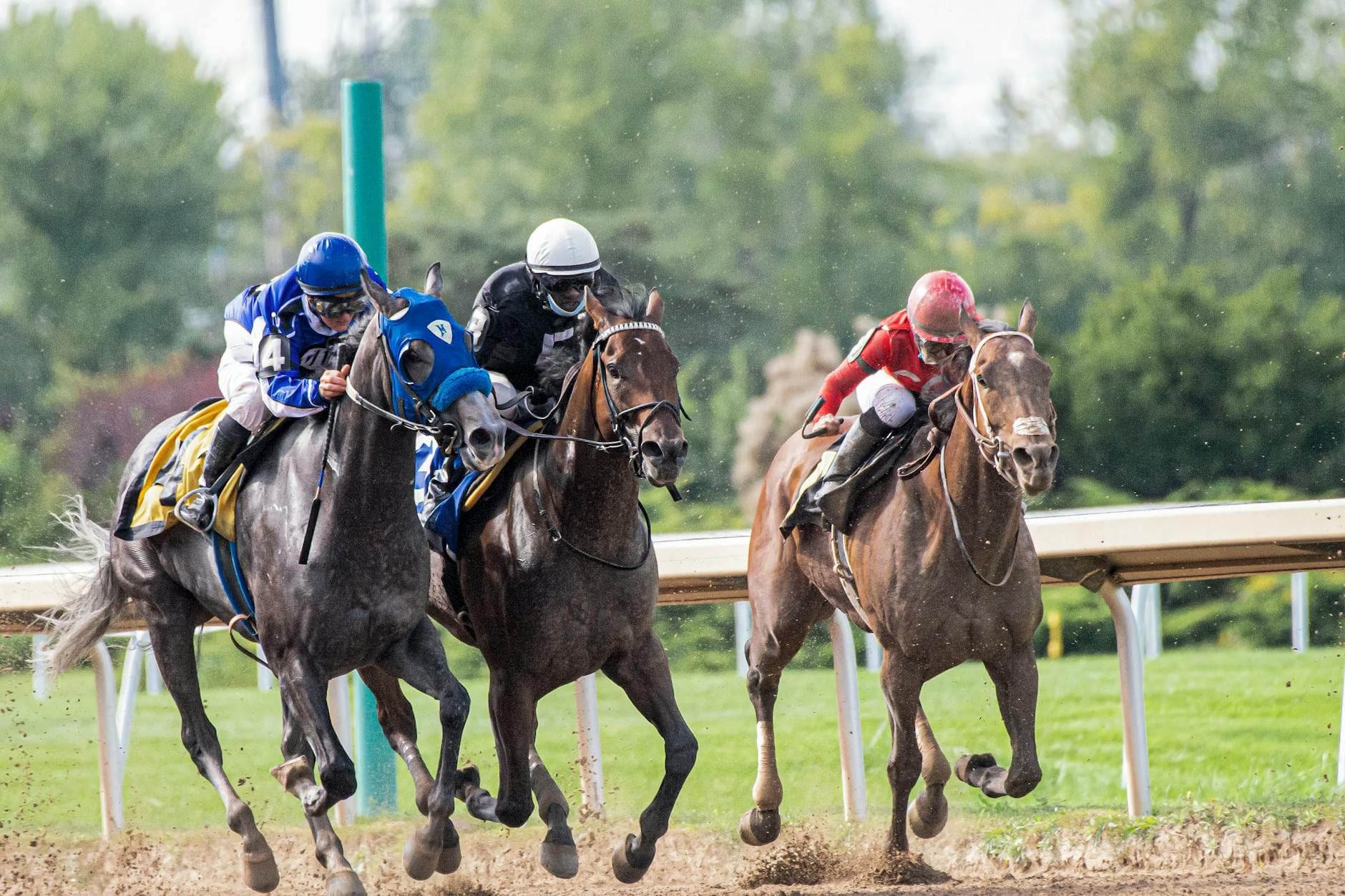
That is the real value of the bias read. A horse that travels well, gets the right passage and quickens once is not always the same as a horse that can repeat the performance when the stage is bigger, the field is deeper and the margin for error is smaller. Collins's filter helps identify which Ballydoyle winners were merely well-positioned and which ones still look like genuine Classic winners.
The Derby blueprint still runs through Chester
The colt side tells a similar story, with the 2025 Derby at Epsom drawing 19 runners and leaving no room to hide. Racing Post notes that O'Brien is the most successful trainer in Derby history, and the Chester line has remained central to that record. His 2026 Chester Vase winner Benvenuto Cellini extended that Chester tally to 12, a reminder that the Roodee remains one of the clearest launchpads in the Ballydoyle Derby machine.
That matters because Chester is not just another prep venue in the O'Brien system, it is a proving ground that keeps feeding the same pathway. When a horse emerges from that route and then keeps validating the form against deeper fields, the market has to treat the trial as more than a local success. It becomes part of a repeatable pattern, and that is exactly why O'Brien's Derby horses tend to shorten fast once the spring sequence starts to click.
How to read the next Classic wave
The safest way to follow Ballydoyle now is to separate the performances that were built on circumstance from the ones that stood up to scrutiny. Collins's notes help you do that, and the spring results tell you where the strongest convictions should sit. Minnie Hauk already proved the point in the Oaks, while the Derby trail continues to be shaped by a trainer who knows how to use Chester, Lingfield, Naas and Leopardstown as more than simple stepping stones.
- Upgrade the horses that won and still looked like they had more to give.
- Downgrade the trial winners who looked best when the race shape or track bias leaned their way.
- Keep Chester form especially high in the Ballydoyle Derby conversation, because that route keeps producing runners who matter in the biggest races.
The message from the spring is not just that O'Brien won again. It is that his trial domination keeps turning preps into a map of the Classics, and the runners that survive Collins's bias test are the ones most likely to keep paying off when the real races arrive.
Know something we missed? Have a correction or additional information?
Submit a Tip