Ocala juvenile sales show broad-based demand, double-digit gains across market depth
The big-money horses grabbed headlines, but the deeper story is market breadth: Ocala’s juvenile sales rose across nearly every price band, not just at the top.
Depth is the headline
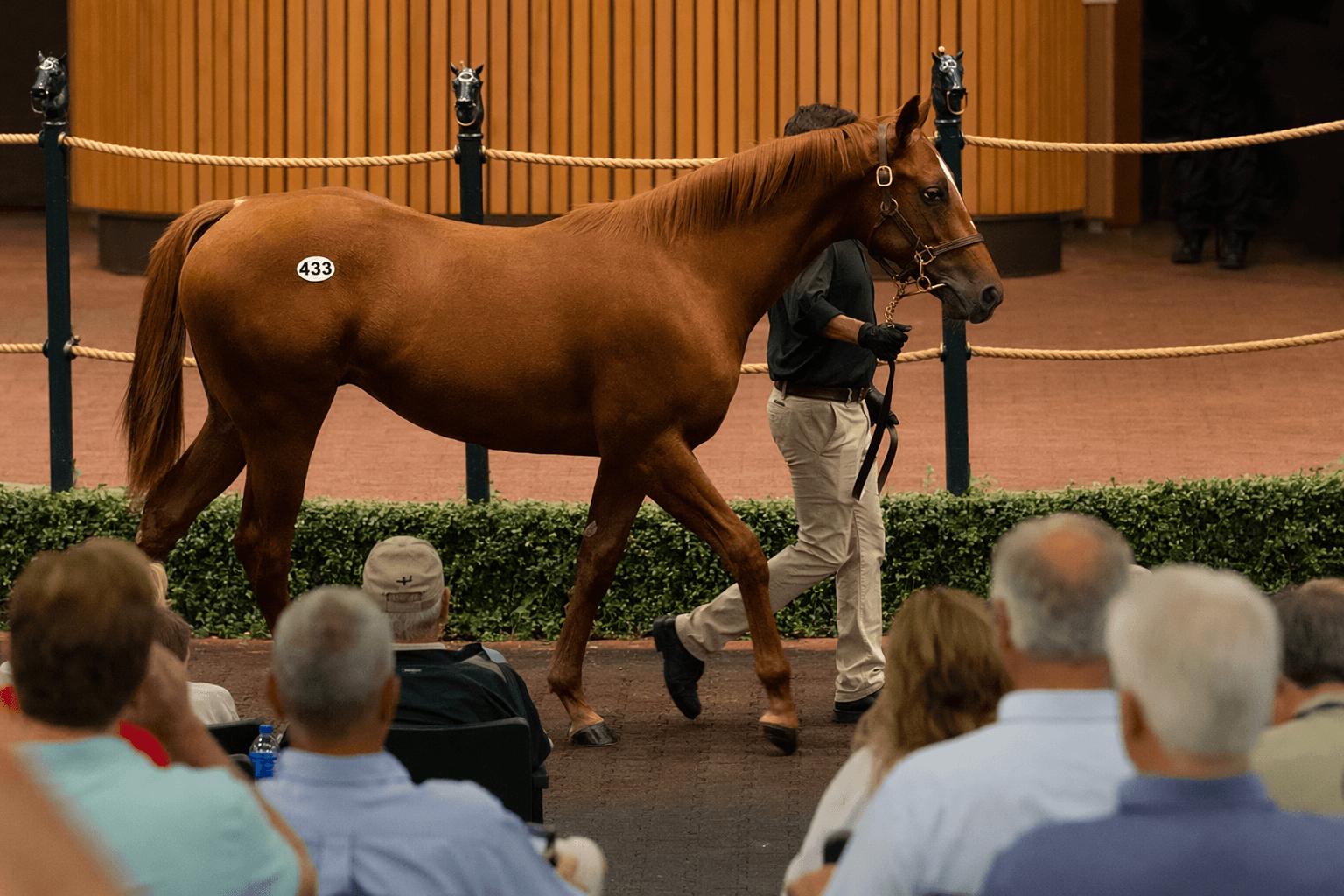
A Flightline colt bringing $10.5 million to Zedan Racing Stables was the kind of thunderclap that makes the juvenile market feel frothy. But the real market story in Ocala was not just the fireworks at the top, it was the way the March and Spring 2-Year-Olds in Training sales held up through the middle and lower tiers, where buyers usually reveal whether confidence is real or just fashion-driven.
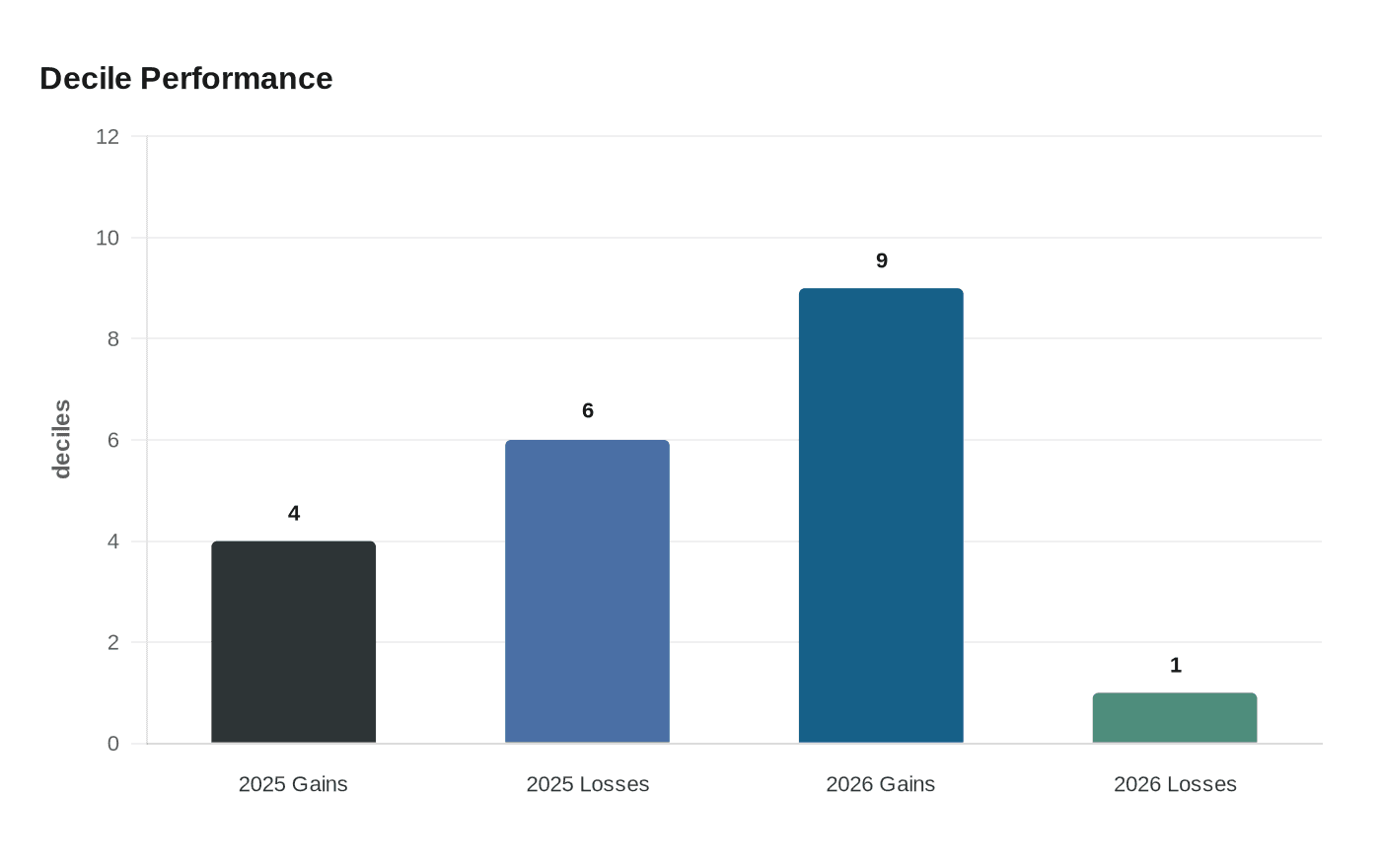
A decile breakdown of the two sales makes that clear. By splitting results into ten price bands, the analysis shows whether gains are concentrated among a handful of premium lots or spread across the catalogue. In 2026, the combined March-and-Spring results produced double-digit growth in all but one decile. That is a different market from 2025, when only the top four deciles posted gains and the lower six deciles slipped by as much as 15% from 2024.
March set the tone
The March OBS sale, held March 10-12, arrived with momentum and backed it up with numbers. It grossed $72,050,000 including private sales, sold 443 horses, and finished with an average price of $162,641 and a median of $85,000. Seven horses brought $1 million or more, tying the March record and confirming that elite juveniles were still drawing aggressive money.
That mattered because the March auction was not just a spike on the calendar. It established a level of belief that carried into the Spring sale, and it did so in a market where average price alone could have been misleading. When a few horses can bend the mean, the decile view becomes the better read on who is really buying and where the demand sits.
Spring widened the base
The Spring sale, held April 14-17, took that foundation and stretched it further. Ocala Breeders' Sales Company cataloged 1,224 horses including supplements, and the sale ended with records for gross, average and median. It also set a new OBS juvenile benchmark when the Flightline colt, Hip 1056, sold for $10.5 million on April 17.
That headline price matters, but so does the backdrop around it. OBS had already pointed out that the 2025 Spring sale set records with a $138,709 average and a $70,000 median, which made the 2026 comparison especially demanding. Beating those marks across the board suggests the market did not just absorb one extraordinary horse. It expanded.
Why the middle of the market matters
The strength in the middle is where this story becomes useful to buyers, pinhookers and breeders. Tod Wojciechowski said the quality of the horses consigned drives the prices, and the sales results suggest buyers were willing to pay when the physical and breeze show matched the paper. Randy Miles, meanwhile, said the middle of the market was especially healthy, a telling detail because that is where commercial confidence tends to show up first.
Torie Gladwell of Top Line Sales added an important piece of the puzzle before the Spring sale: she said the 2-year-old market was getting stronger, the foal crop is getting smaller, and consignors are bringing better horses. Taken together, those trends help explain why the market looked deep from the top through the lower tiers rather than thin below the elite lots.
What the deciles say about the money
The 2026 decile pattern is what separates broad demand from rich-get-richer bidding. In a market with only a few bright spots, the top price bands can climb while the rest of the catalogue softens. That was the picture in 2025, when only the top four deciles improved and the bottom six lost ground.
This year’s profile was healthier because the gains were spread much more evenly. Double-digit growth in all but one decile means the market was supporting horses at multiple price points, not just blue-chip prospects. For owners and trainers shopping for ready-made 2-year-olds, that means a firmer and more competitive buying climate. For breeders, it is a sign that commercial appetite remains resilient enough to reward quality beyond the obvious six-figure stars.
Racetrack validation is feeding the market
The auction ring is not operating in a vacuum. OBS highlighted that 11 April-sale graduates won Grade 1 races in the 2025-26 season, a reminder that buyers are not only chasing looks and breezes. They are also buying into recent proof that this pipeline can produce top-level runners.
That kind of validation matters for the future of the juvenile market because it supports the pricing structure from the top down. When the latest graduates show they can win at the highest level, the ring gets a stronger argument that a horse with class and speed is worth the investment, whether the ticket is seven figures or somewhere lower in the market depth.
What this means going forward
Ocala’s spring season points to a juvenile market that is not simply getting more expensive, but more stable. The March sale delivered record money and a tie at the million-dollar level. The Spring sale raised the ceiling again with the $10.5 million Flightline colt. The decile data shows that the real strength was not limited to those headline horses.
For the rest of the year, that is the takeaway that matters: broad-based demand is more durable than isolated fireworks. If the juvenile market keeps rewarding quality across the full price ladder, it will keep supporting diverse ownership, stronger pinhooking opportunities and a deeper pipeline of horses that can matter on Saturdays.
This article was produced by Prism’s automated news system from verified source data, official records, and press releases, then run through automated quality and moderation checks before publishing. The system is built and supervised by the people who set the standards it runs under. Read our full AI policy.
Did this article answer your question?