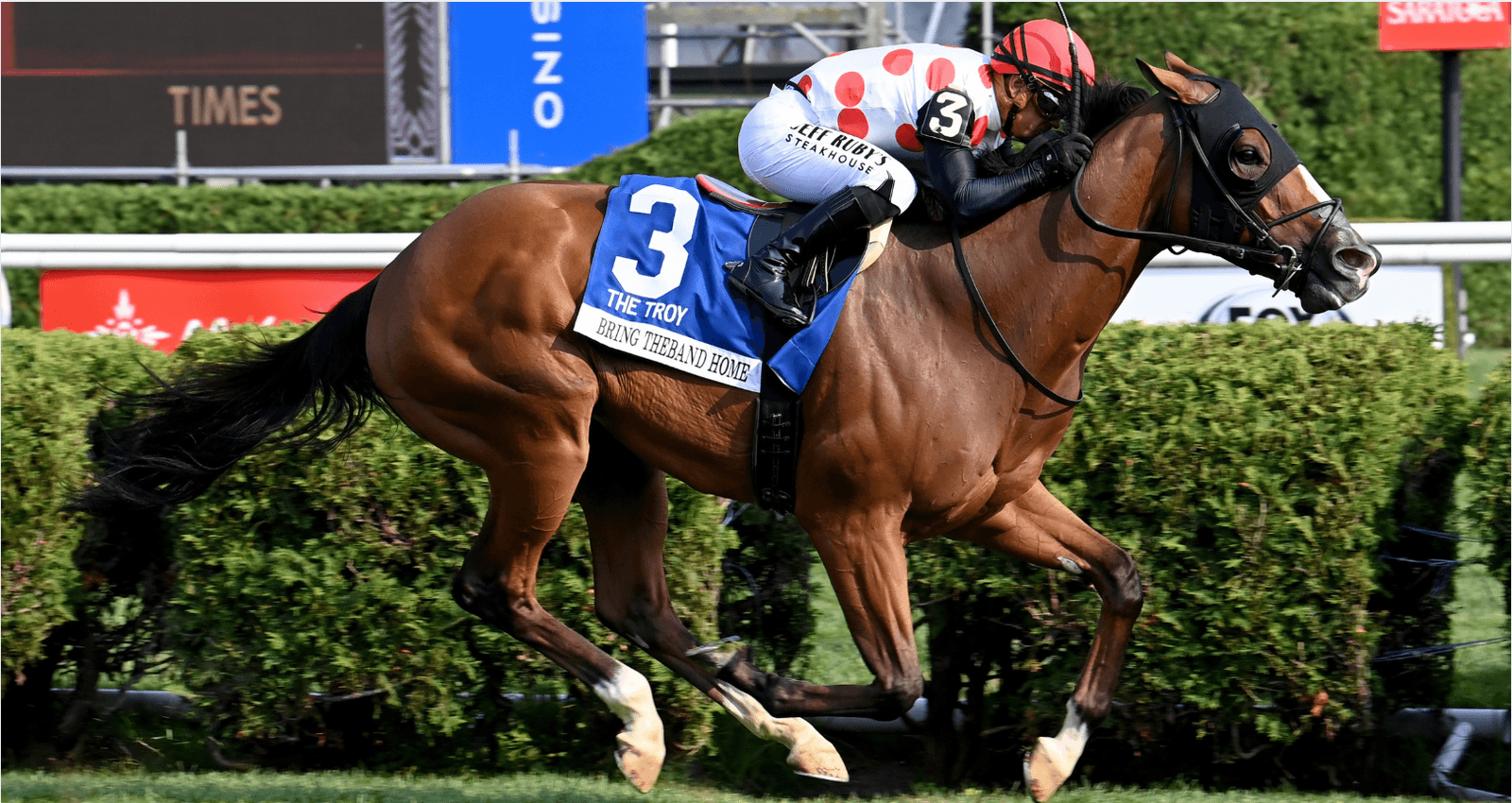
Oka Sho, Victoria Mile Winner Dance in the Mood Dies Aged 25
Dance in the Mood, winner of the 2004 Oka Sho and 2006 Victoria Mile, died aged 25; her loss matters to racing fans given her classic wins and influence as a broodmare.
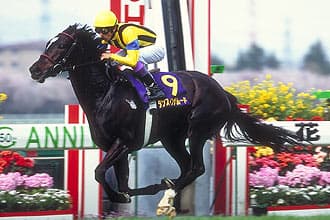
Dance in the Mood, the Sunday Silence mare who captured the 2004 Oka Sho and the inaugural Victoria Mile in 2006, has died at 25 while living in retirement at Shadai Farm in Hokkaido. The Japan Racing Association announced on January 19, 2026 that she passed peacefully that morning, and that the farm and JRA extended condolences to racing fans and her connections.
Sportingly, Dance in the Mood combined classic speed with versatility. She raced 25 times for six wins, a record that included domestic Grade 1 victories and a placing in a U.S. Grade 1, showing she could travel and compete at the highest level. Her Oka Sho triumph placed her among the elite fillies of her generation, while capturing the first running of the Victoria Mile tied her name to a race that has since become a seasonal target for middle-distance fillies and mares in Japan. Those results underline a dual legacy: immediate on-track success and ongoing influence in breeding sheds.
As a daughter of Sunday Silence, Dance in the Mood belonged to a sire line that reshaped Japanese bloodstock in the late 20th and early 21st centuries. Her transition from black-type performer to broodmare reflected standard industry pathways for mares of her caliber, and she later produced multiple foals that raced in Japan. While detailed stud-table outcomes vary, her presence at Shadai Farm reinforced the commercial and sentimental value placed on Sunday Silence daughters in Japanese breeding operations.
The announcement also touches on broader industry trends: the increasing attention to the care of retired racehorses and the economic centrality of proven mares. Major farms such as Shadai serve both as commercial breeding centers and as custodians of equine heritage. A mare like Dance in the Mood contributes to bloodstock depth while also functioning as a cultural touchstone for fans who follow fillies and mares through racing and into their breeding careers.
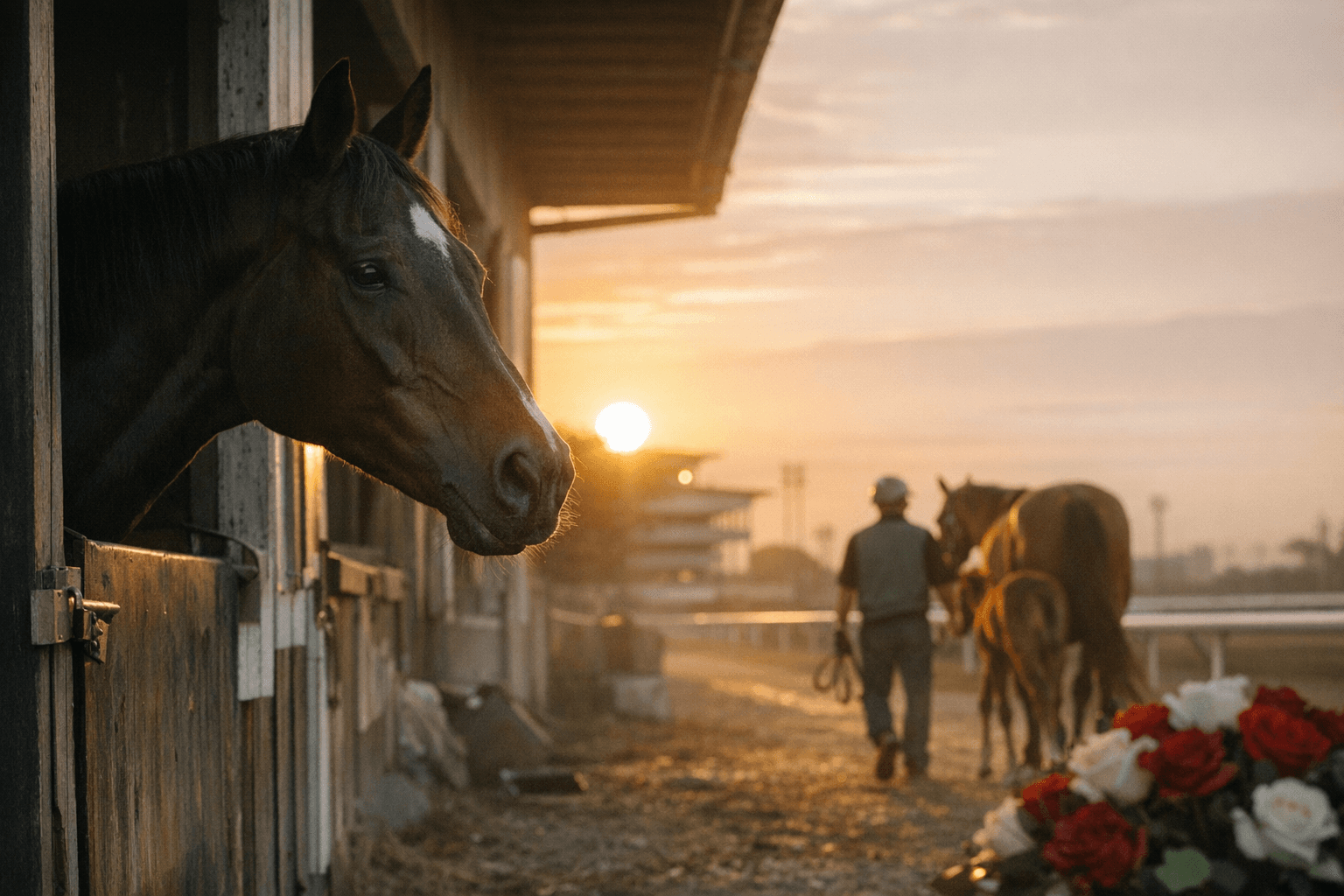
Culturally, her victories came at a time when Japanese racing continued its internationalization, with greater foreign engagement and ambition on both turf and dirt. A U.S. Grade 1 placing in her record serves as a reminder that Japanese fillies have long been competitive beyond their domestic circuit. For racing fans, Dance in the Mood represented the arc from classic promise to broodmare responsibility, a narrative that resonates in stables and grandstands alike.
Her passing closes a chapter on a mare whose name remains tied to marquee races and to the Sunday Silence legacy. For owners, breeders, and fans, the practical aftermath will be seen in how her foals and descendants perform, and in the continued stewardship of retired champions at farms like Shadai. The industry will mark her death as a moment to reflect on lineage, care for retired stock, and the enduring value of fillies who win at the highest level.
This article was produced by Prism’s automated news system from verified source data, official records, and press releases, then run through automated quality and moderation checks before publishing. The system is built and supervised by the people who set the standards it runs under. Read our full AI policy.
Did this article answer your question?