OwnerView webinar aims to simplify horse buying for new owners
OwnerView’s auction webinar turns horse buying into a process, not a gamble, with tools, catalogs, and budgeting advice aimed at first-time owners.
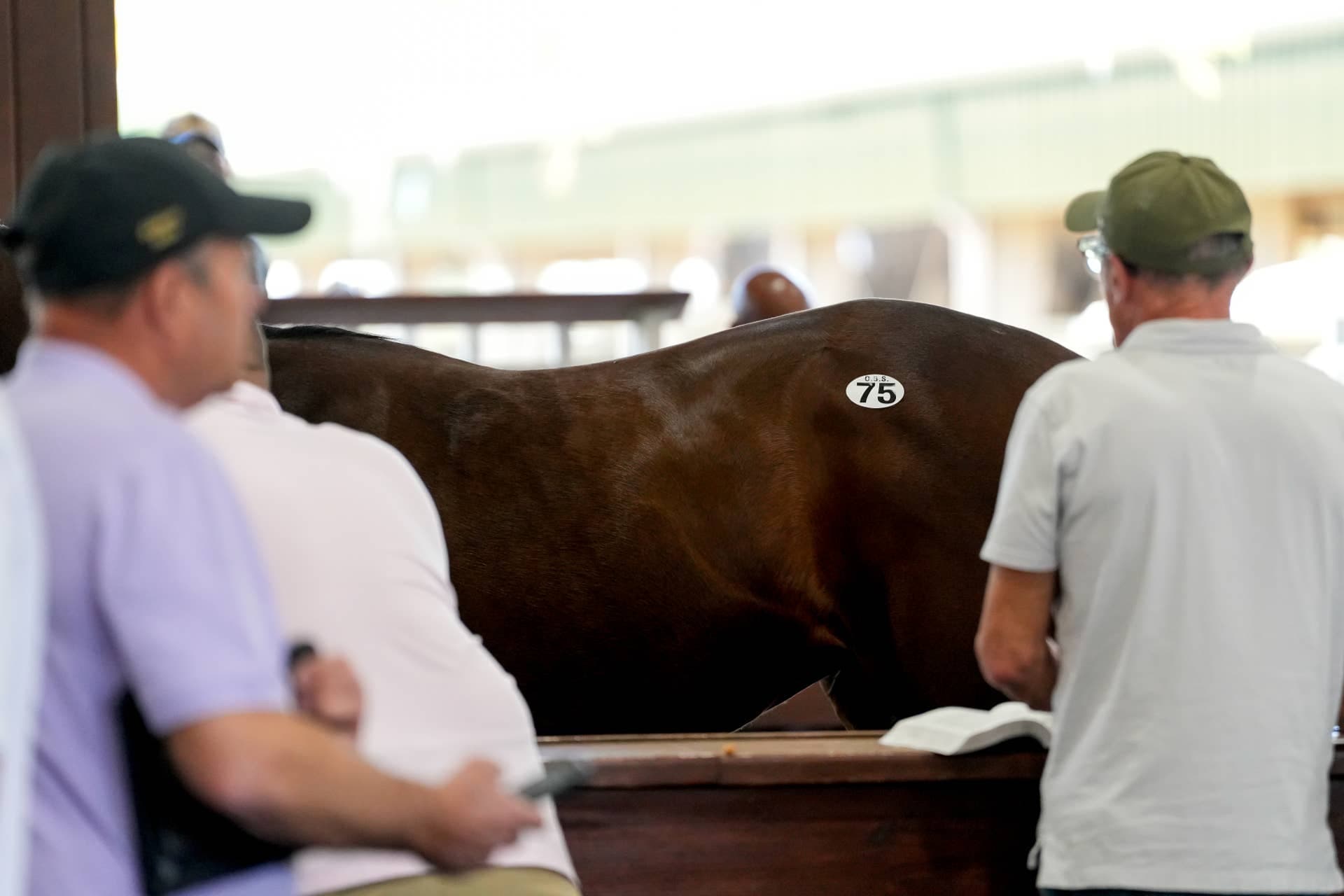
The smartest move in the sale ring often happens long before the hammer falls. OwnerView’s fourth 2026 webinar treated auction buying as a skill to be learned, not a mystery to be feared, and that is exactly why it matters for new owners trying to enter Thoroughbred ownership without overpaying or buying blind.
A practical clinic built for real buyers
Held on Tuesday, June 9, 2026, at 2:00 PM, the panel was titled “Tools & Programs for Attending Auctions” and was designed to make the buying process less intimidating. The webinar was hosted by The Jockey Club and the Thoroughbred Owners and Breeders Association, presented by Bessemer Trust, Keeneland, and Dean Dorton Equine, with Juddmonte and Muirfield Insurance sponsoring the panel and West Point Thoroughbreds sponsoring the Q&A.
Gary Falter, OwnerView’s project manager, moderated a group that pulled together Tim Leith of The Jockey Club Information Systems, Eric Mitchell of BloodHorse, Reed Ringler of Keeneland, and Jacob West of West Bloodstock and Claiborne Farm. That lineup mattered. It brought together the people who build the information, cover the business, run the sales, and advise the buyers, which is exactly the mix needed when the goal is to make auctions feel more navigable for first-timers.
The message behind the webinar was clear: ownership access does not start with a bid number, it starts with education. In a market where one wrong assumption can cost real money, the industry is finally treating auction literacy like a foundational skill instead of an optional extra.
What new owners have to know before they bid
The strongest part of the discussion was not about chasing a hot horse. It was about process. The webinar focused on the kind of preparation that keeps a buyer from getting swept up in the heat of the moment: understanding reserves, inspecting horses properly, setting a budget, deciding when to bid, and thinking ahead to post-sale planning.
That is the real gap for many first-time owners. They may know how to fall in love with a pedigree or a page in a catalog, but they do not always know how to translate that enthusiasm into a disciplined buying plan. The webinar’s value was in slowing the whole experience down and showing that successful ownership starts with questions, not impulse.
A practical buyer’s checklist emerged from the discussion:
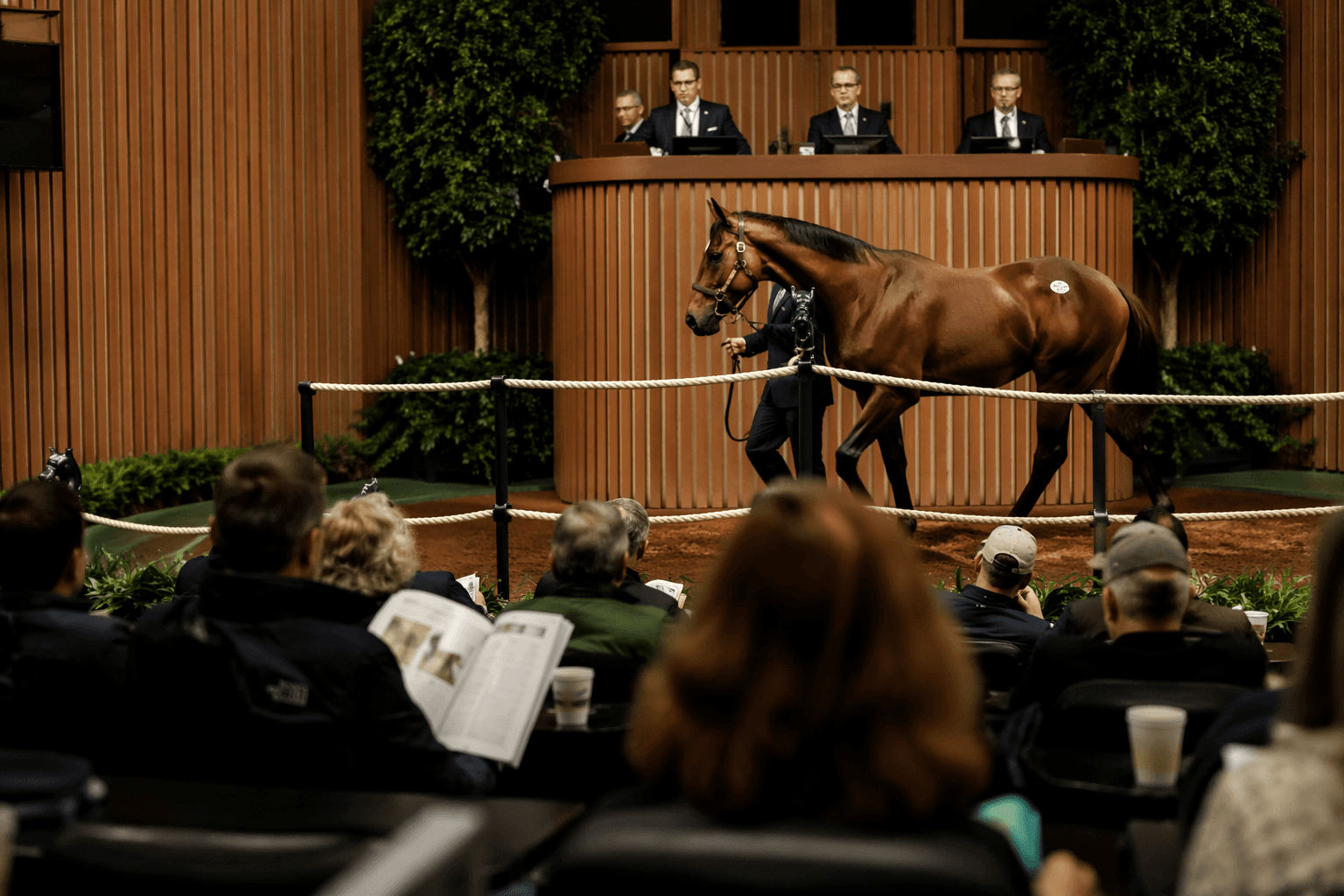
- Know your budget before you arrive, and treat it as a ceiling, not a suggestion.
- Learn how reserves work so you understand when a horse is actually in play.
- Inspect the horse, study the page, and do not confuse volume of information with quality of information.
- Build a post-sale plan so the purchase fits the stable structure you actually have, not the one you wish you had.
That is how the barrier to entry comes down. Not by making horses cheaper, but by making the process clearer.
The tools that make the market easier to read
The panel did not stop at philosophy. It highlighted two specific tools that can change how buyers approach auctions. One was Auction Edge, described as a statistical guide for evaluating horses at public auctions. The other was the free Equineline Sales Catalog App, which panelists said makes pedigree research and shortlist sharing much easier.
That combination is important because it covers both sides of modern buying. Auction Edge gives buyers a data lens, while the Equineline app helps them organize what they like and share it with partners, agents, or advisors. In a market where decisions often happen quickly, a digital shortlist is not a luxury. It is a way to keep a cool head when the sale gets loud.
The webinar also made a point that many casual buyers miss: a sales catalog page is not just a flyer. Panelists said those pages are carefully edited one-page advertisements governed by international cataloging standards set through the International Cataloging Standards Committee and the Society of International Thoroughbred Auctioneers. That means a page at Keeneland is built to resemble one at major sales in Australia or Great Britain, which gives buyers a common language across markets.
That standardization matters more than it sounds. If you understand that the catalog is controlled, consistent, and designed to be read in a specific way, you stop treating it like marketing fluff and start using it like a tool. That is a major step for any buyer trying to compare horses across sales without getting lost in the presentation.
Why the panel’s advice felt more like ownership education than auction talk
The panel’s value came from the mix of voices and the way they framed the work. Mitchell pushed buyers to think of the process like a chef: “Approach the process like a chef... Do your homework, work hard, and gather opinions.” That line captured the whole point of the webinar. Buying a horse is not one decision, it is a series of choices built on scouting, filtering, and asking the right people.
West reinforced the practical side of that approach by stressing digital shortlists and the ability to share them with clients or partners. That kind of workflow matters because it turns auction shopping from a solo gamble into a more structured process. When the right people can review the same list, the buyer is less likely to chase a horse for the wrong reason.
Leith, Ringler, Mitchell, and West also represented the broader ownership pipeline in miniature. The information side, the sale-house side, the media side, and the advisory side all showed up in the same room. That is not accidental. It reflects an industry that knows the next wave of owners will not arrive by instinct alone.
OwnerView is building a library, not just hosting a webinar
This was not the first time OwnerView had tackled auction education. Its archive shows a “Buying at Public Auctions” panel from August 2023, and its broader library also includes education on agents and advisors, ownership structures, and economics. OwnerView describes itself as a free information resource for new and existing Thoroughbred owners, jointly developed by The Jockey Club and TOBA, and this webinar fits that mission cleanly.
That long-term approach is what gives the series weight. It is not just reacting to one sale or one buying cycle. It is building a base of knowledge that helps prospective owners learn the language of the game before they put real money into it.
For a sport that keeps asking for more owners, this is the part that actually matters. The path into Thoroughbred ownership gets wider when buyers can study the tools, read the catalog correctly, and walk into the auction with a plan. In that sense, the real product of the webinar was not a horse at all. It was confidence, backed by process.
This article was produced by Prism’s automated news system from verified source data, official records, and press releases, then run through automated quality and moderation checks before publishing. The system is built and supervised by the people who set the standards it runs under. Read our full AI policy.
Know something we missed? Have a correction or additional information?
Submit a Tip