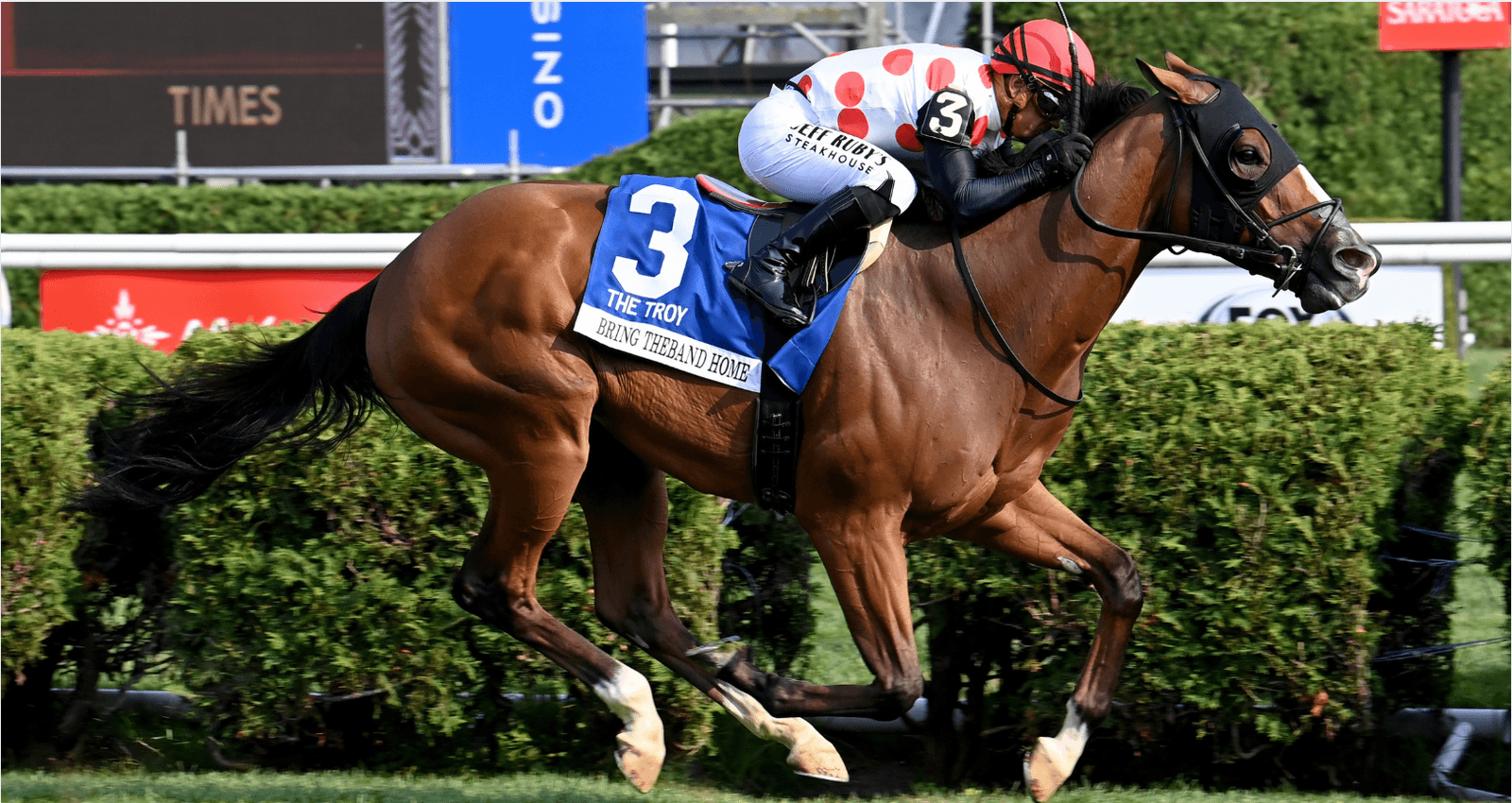
PBS documentary spotlights immigrant workers behind Kentucky Derby horses
A new PBS film follows immigrant grooms who rise before dawn at Churchill Downs, where advocacy says they make up 78% of backstretch workers.
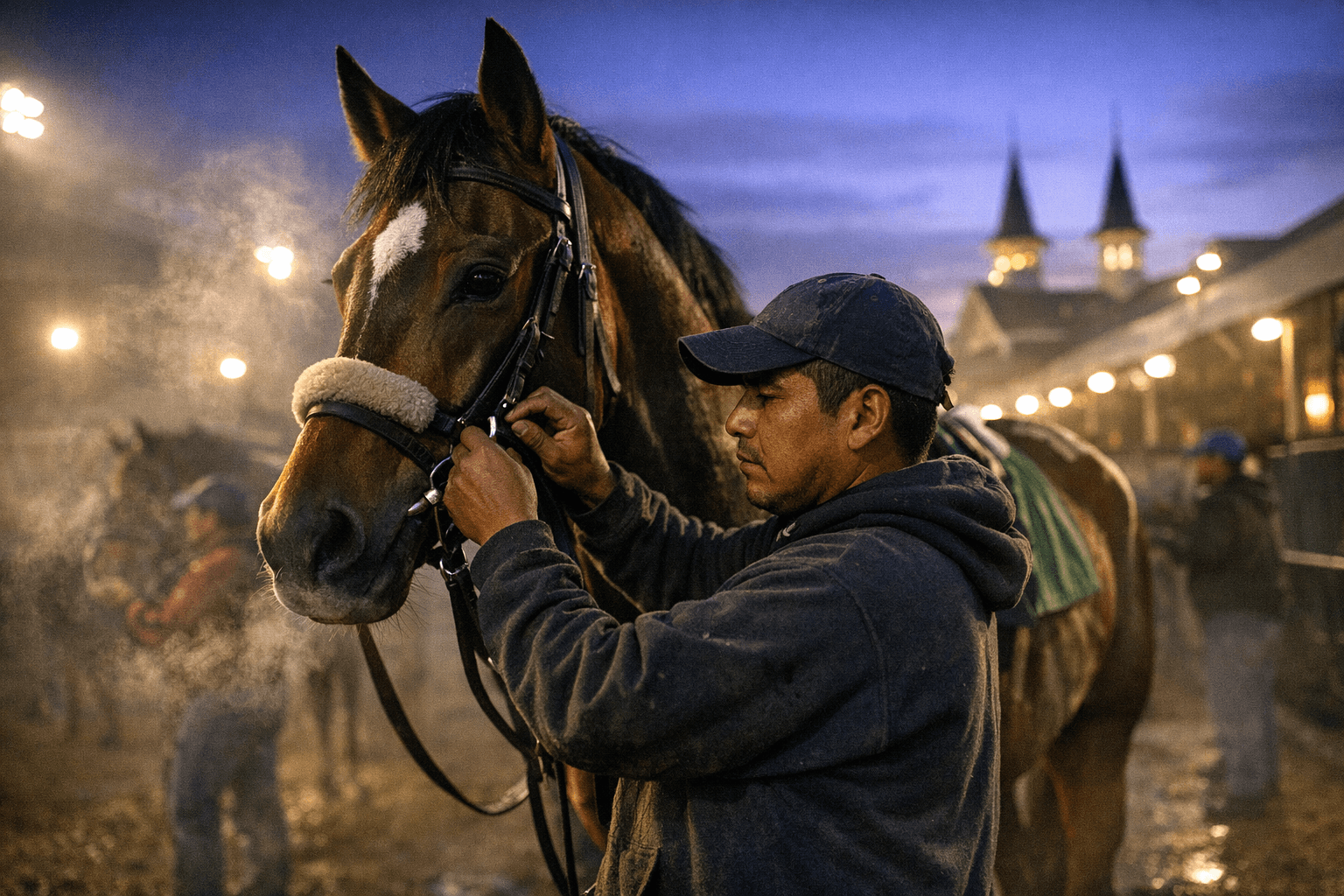
The work that keeps Churchill Downs moving happens long before spectators arrive and long after the grandstands empty. Backside: The Unseen Hands of Horse Racing, which premiered April 13 as a co-presentation of PBS’s Independent Lens and VOCES, put immigrant grooms at the center of that hidden labor, following the year-round crews who live and work on the backside in Louisville, Kentucky, and care for Kentucky Derby racehorses before dawn.
The 55-minute, 40-second documentary came from Mexican immigrant filmmaker Raul O. Paz-Pastrana, whose background shaped the film’s intimate view of the backstretch. PBS said the project explored how race, labor and class shape horse racing, a sport whose public image is built on speed, breeding and elite competition but whose daily rhythm depends on workers most fans never see. The film was produced by Backside Films, LLC., ITVS and Latino Public Broadcasting.
That framing lands at a moment when the politics of racing labor are already out in the open. On May 1, 2025, horse-racing leaders in Louisville publicly pushed for immigration reform to protect backstretch workers, underscoring how dependent the industry is on immigrant labor at a time when track operators, trainers and owners are trying to steady a workforce that is both essential and precarious. Advocacy coverage tied to that effort said immigrants made up 78% of equine backstretch workers and 70% of jockeys, figures that show how deeply the sport’s labor force is shaped by immigration.
The film’s timing gives the Derby season a different kind of stakes. The horses that draw millions of eyes in May are only as ready as the grooms who feed them, clean them and tend to them through the quiet hours at Churchill Downs. Without that labor, the spectacle that defines Kentucky racing would lose the machinery that makes it possible.
Paz-Pastrana’s film arrives as part of a longer conversation in Louisville about who powers the sport and who gets left outside its spotlight. Backside: The Unseen Hands of Horse Racing does not just add another layer to Derby coverage. It turns the camera toward the workers whose hands are on the reins, the stalls and the stable floor, and makes clear that horse racing’s glamour still rests on immigrant labor done mostly out of sight.
This article was produced by Prism’s automated news system from verified source data, official records, and press releases, then run through automated quality and moderation checks before publishing. The system is built and supervised by the people who set the standards it runs under. Read our full AI policy.
Did this article answer your question?