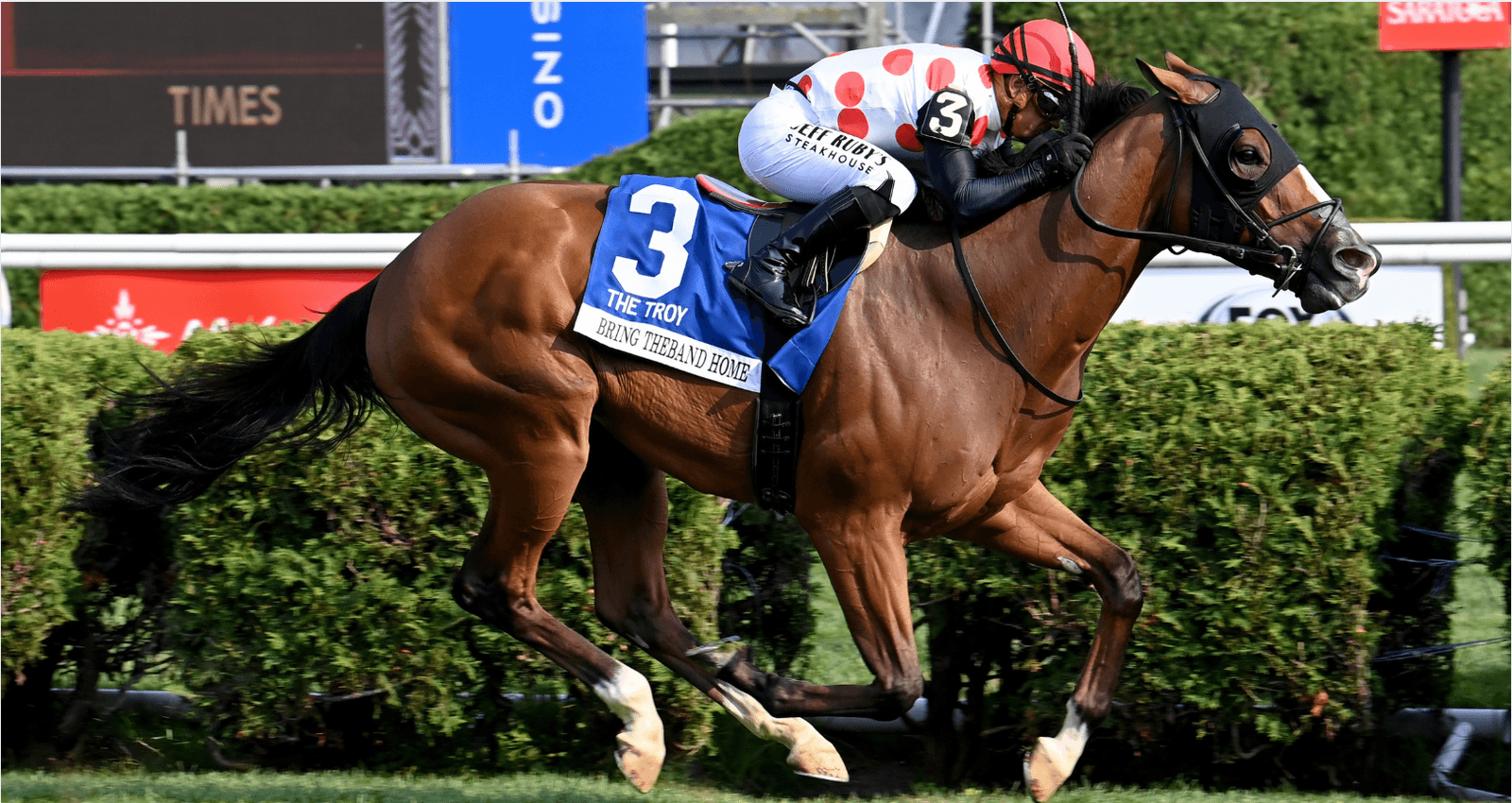
Pletcher, Brown rebound from Derby setbacks with new contenders leading the trail
Ted Noffey and Paladin looked like the class of the Derby trail until injuries blew up both barns. Todd Pletcher and Chad Brown answered with new contenders, proving elite operations survive by pivoting fast.
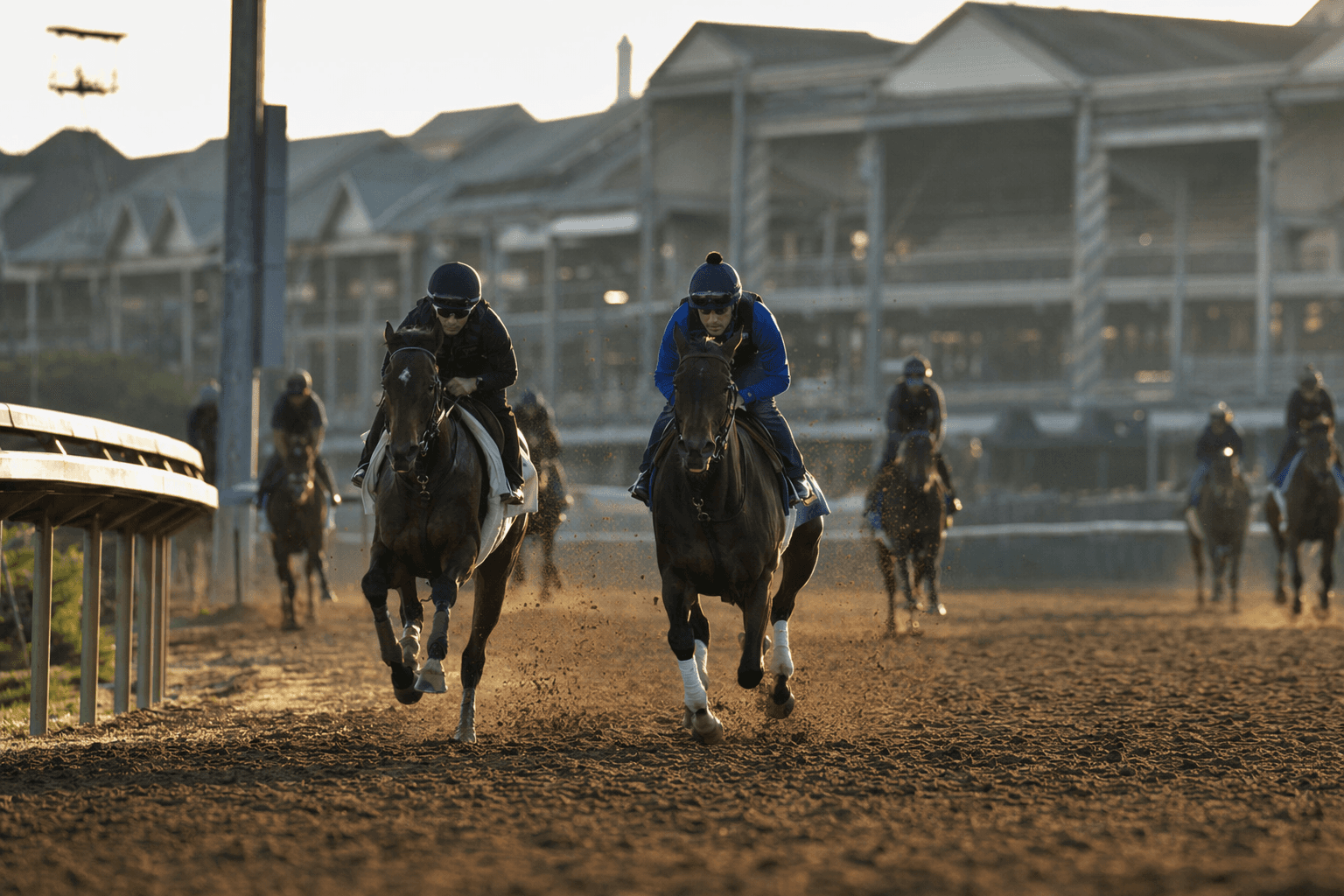
When the Derby trail cracked, the big barns kept moving
Todd Pletcher and Chad Brown lost the horses they had built their Kentucky Derby plans around, then rebuilt those plans almost in real time. That is the unforgiving rhythm of the Derby trail: one morning work, one vet report, one scratch can wipe out months of expectations, yet the calendar never stops for anyone.
Pletcher’s early star, Ted Noffey, had looked like the kind of colt around whom a spring campaign can be organized with confidence. He was the undefeated 2025 champion 2-year-old male and last year’s Breeders’ Cup Juvenile winner, and he had been the early Kentucky Derby favorite before bone bruising forced him off the trail on January 29, 2026. Spendthrift Farm said he would need about 90 days away from training before returning later in the spring, a reminder that even the most promising profile can be paused by something as mundane as a bruise.
Brown’s collapse came later and hit differently. Paladin had surged into the conversation by winning the Remsen Stakes and the Risen Star Stakes, then suffered a non-displaced condylar fracture in his right front ankle after a workout at Payson Park on March 28, 2026. Reports said he was headed to Rood and Riddle Hospital in Lexington for surgery by Dr. Larry Bramlage, with the prognosis described as good, but the injury severe enough to end his Derby and spring-summer campaign.
Pletcher’s reset: from favorite to replacement
For Pletcher, the challenge was not simply replacing a good horse. It was replacing the horse that had come to define the top of his 2026 Derby picture. The answer became Renegade, the current morning-line favorite for the Kentucky Derby, a colt whose presence allows the barn to stay pointed at Churchill Downs instead of spending the final weeks in damage control.
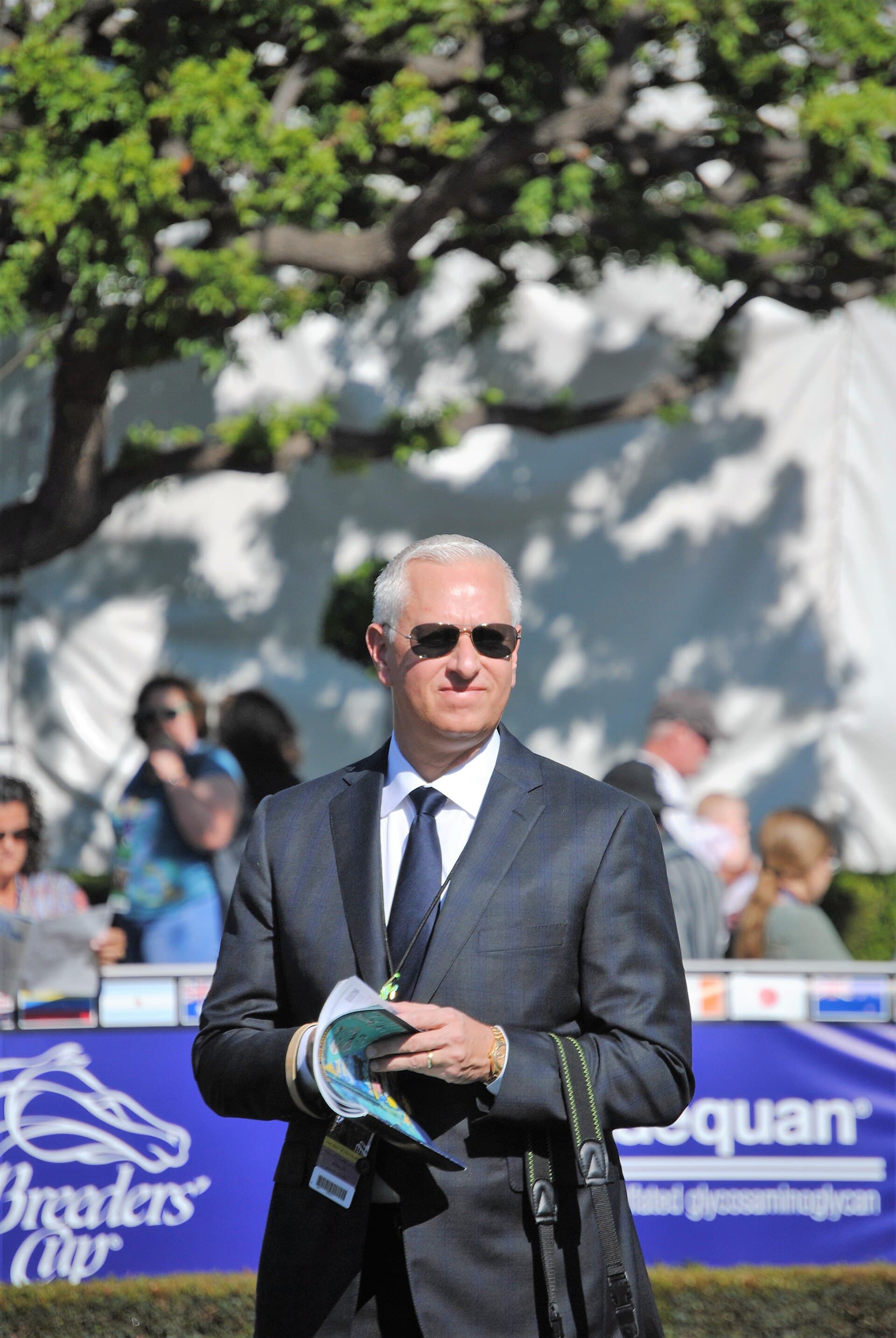
That pivot matters because Pletcher’s operation is built for this exact kind of pressure. He is the all-time Derby starters leader with 65, and he has already won the race twice, with Super Saver in 2010 and Always Dreaming in 2017. Even so, the current season has carried an unusual edge for him: his streak of 21 consecutive Derby appearances ended in 2025 when Grande scratched, so 2026 has already required a reset before the gate even fills.
That history explains why Renegade’s rise is more than a convenient backup story. In a barn like Pletcher’s, the replacement horse is not supposed to feel like a consolation prize. It is supposed to be the next legitimate contender, already fit, already pointed, and already capable of carrying the stable’s Kentucky Derby ambitions into the first Saturday in May at Churchill Downs in Louisville.
Brown’s answer: one horse lost, another rushed into relevance
Brown’s response shows a different kind of resilience. He does not have Pletcher’s Derby record, and he is still seeking his first Kentucky Derby victory, but the structure of his barn allowed him to recover quickly enough to keep a horse in the race. That horse is Emerging Market, a runner with real talent but a much thinner résumé than the one Paladin brought to the table.
Emerging Market had made only two starts entering the 2026 Kentucky Derby, yet he was still among the contenders expected to run on May 2. That is a difficult ask in any year, especially when the trail is being decided by the Road to the Kentucky Derby points system, which began last September and determines which horses earn a place in the gate. Brown’s ability to stay in the race with such a lightly raced colt says as much about the division as it does about the trainer: the path to Churchill Downs can compress fast when the right horse shows enough class early.
Paladin’s injury also changed the emotional texture of Brown’s campaign. A colt who wins both the Remsen and the Risen Star does not just collect points; he changes the way the barn sees the spring. Losing that kind of horse after a sharp workout at Payson Park could have left Brown with a gaping hole. Instead, the barn kept its footing and found a way to remain represented on Derby Day.
What these pivots reveal about elite barns
The larger lesson is not just that Pletcher and Brown have good backups. It is that top-level operations treat chaos as part of the job description. Ted Noffey’s bone bruising, the expected 90-day layoff, Paladin’s fracture, the surgery plan in Lexington, all of it forced immediate competitive recalibration, and both barns had to respond without losing their place on the trail.
- whether to pause and protect a compromised horse, as Pletcher did with Ted Noffey
- whether to accept that a fracture ends a campaign, as Brown had to with Paladin
- whether a lesser-known colt can be elevated into a true Derby player, as happened with Emerging Market
- whether the stable’s new lead horse can be pointed cleanly to Churchill Downs without wasting the remaining weeks
At the top of the game, survival is not passive. It is a series of decisions made under pressure:
That is why these stories resonate beyond the barns themselves. The Derby trail rewards depth almost as much as it rewards star power. The horses change, the plans change, and the calendar keeps tightening, but the best trainers do not let one setback define the season.
The trail is still the test
The 2026 Kentucky Derby on May 2 is still being assembled through the points race that began in September 2025, and that structure rewards barns that can adapt faster than their rivals. Pletcher and Brown have both been forced into that reality before most of the field has even reached the starting line.
What makes their rebound notable is not just that they replaced injured stars. It is that they replaced them with horses credible enough to matter at Churchill Downs. In a sport where the margin between dream and disruption can be a single workout, that kind of recovery is what keeps elite operations at racing’s biggest table.
This article was produced by Prism’s automated news system from verified source data, official records, and press releases, then run through automated quality and moderation checks before publishing. The system is built and supervised by the people who set the standards it runs under. Read our full AI policy.
Did this article answer your question?