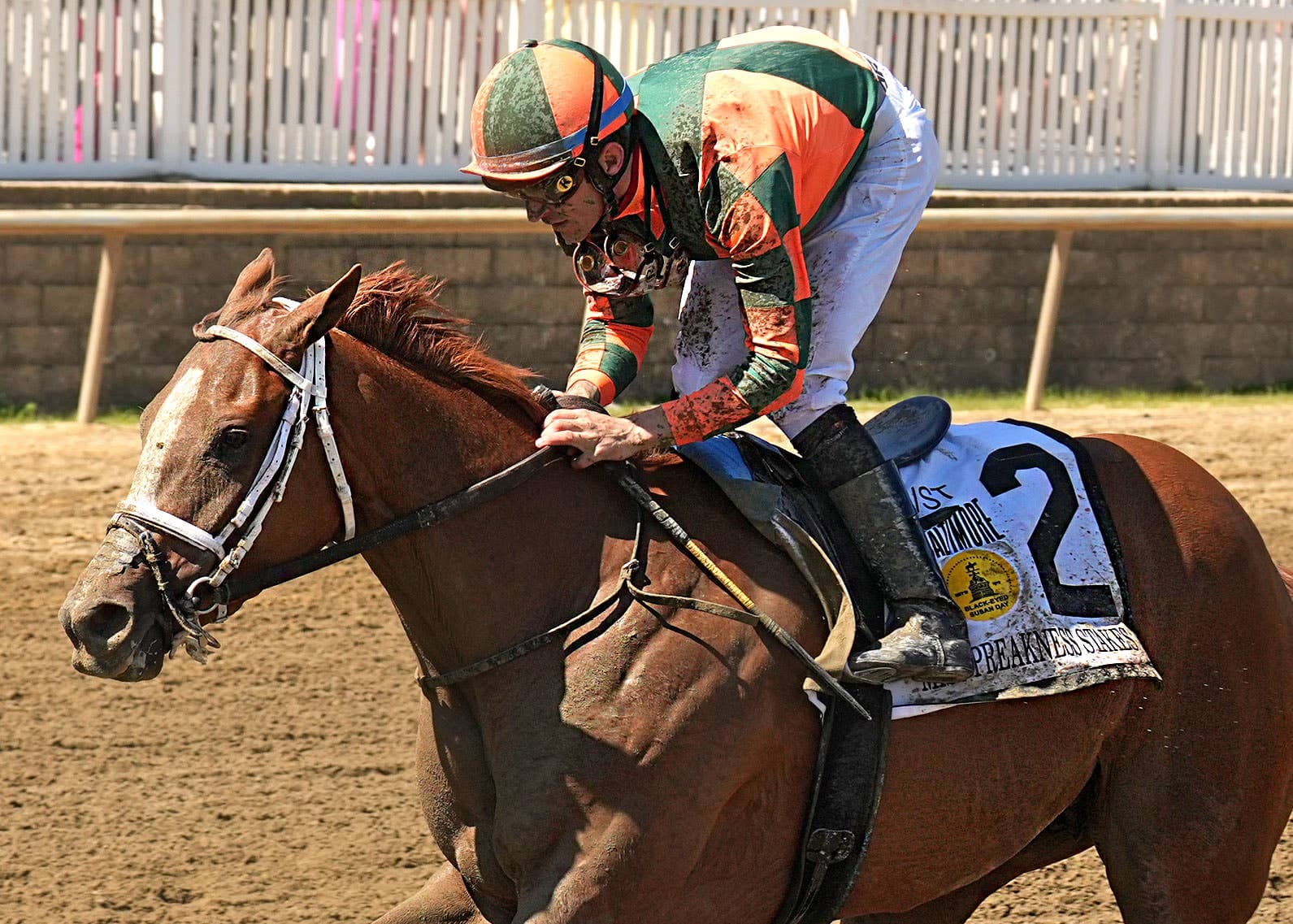
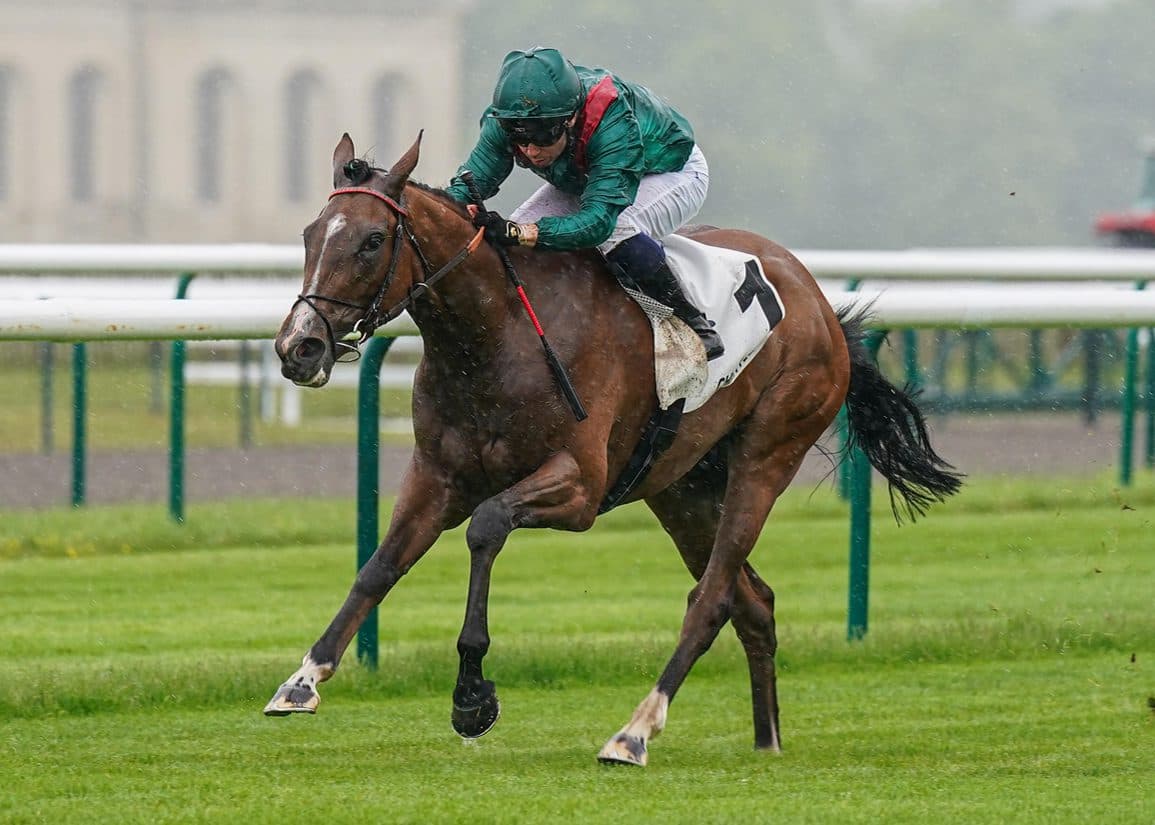
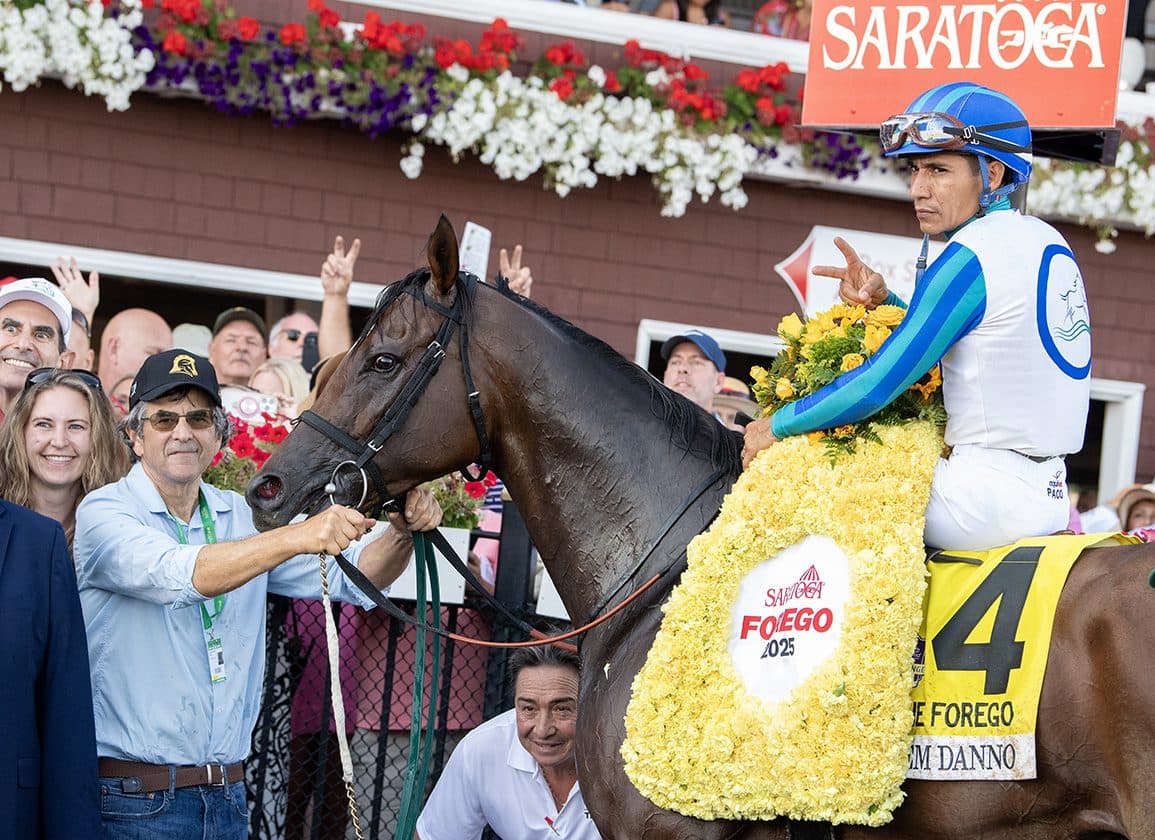
Preakness loses prestige as Derby winner skips race again
Golden Tempo’s absence turned the 2026 Preakness into proof of a broken calendar: the race still drew money, but not the Derby winner that gives it meaning.
The missing Derby winner is the story
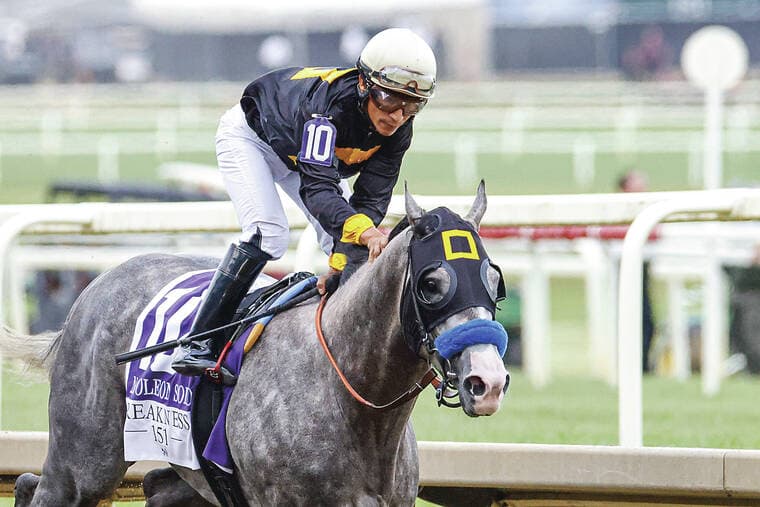
The Preakness still filled a race card. It still paid $2 million. It still produced a winner in Napoleon Solo and a final time of 1:58.69. But without Kentucky Derby winner Golden Tempo, the race lost the one storyline that turns the middle jewel into a championship event instead of another stop on the spring calendar.
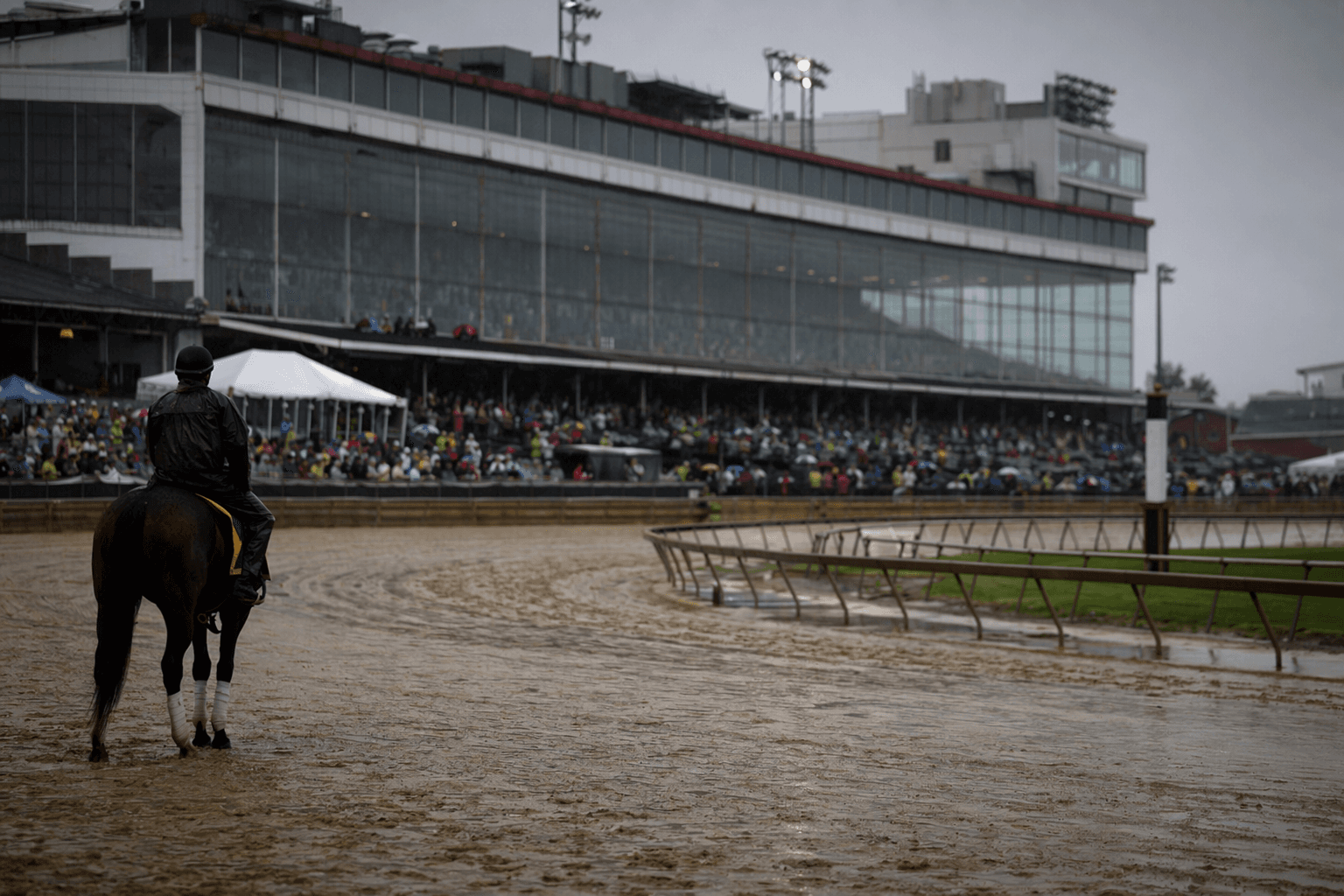
That is the larger point Dan Wolken is making: the Triple Crown does not feel as valuable when the Derby winner can walk away from the Preakness and leave the series without its center of gravity. Golden Tempo’s absence was not a small scratches-and-splits problem. It exposed a structural issue that has been building for years, and it raised the same hard question racing keeps avoiding: what has to change for the Preakness to matter the way it once did?
Golden Tempo made the Derby a landmark, then changed the Preakness equation
Golden Tempo’s Derby victory on May 2, 2026, at Churchill Downs was the kind of result that should have carried the spring through three legs of the Triple Crown. Cherie DeVaux became the first female trainer to win the Kentucky Derby, and Jose Ortiz picked up his first Derby victory aboard the colt. Churchill Downs Incorporated described Golden Tempo as claiming the Garland of Roses at the 152nd running under partly sunny skies and in front of more than 150,000 fans, which only sharpened the sense that this horse had become the season’s defining figure.
Then came the decision that changed everything. Golden Tempo was ruled out of the Preakness on May 6, 2026, and the Derby-to-Preakness storyline vanished before the middle jewel was even run. DeVaux’s reasoning was straightforward: the colt would get more time to recover after the Derby. That logic has become increasingly familiar in modern racing, where connections weigh long-term care against the old expectation that a star should keep running through the classics.
NBC News noted that Golden Tempo’s Derby run already felt like a dramatic comeback, but the Triple Crown chase ended before it could begin. In that sense, the horse did more than skip a race. He became another example of how the current calendar pushes the sport toward caution instead of continuity.
A Preakness without Pimlico, and without its lead act
The 2026 Preakness was already operating under unusual conditions. It was the 151st running of the race, but it was held on May 16 at Laurel Park in Laurel, Maryland, not at Pimlico Race Course in Baltimore, because Pimlico was under reconstruction. That temporary move gave the event a different feel from the start, and the capped on-track attendance of 4,800 underscored how far the race had shifted from its traditional setting.
Yet the day still generated real business. Preakness day wagering was reported at $106,982,107 across 14 races, a figure that shows the brand still has commercial pull even when the classic narrative is missing. That is the uncomfortable split racing is living with now: the Preakness can still draw money, but money is not the same thing as must-watch prestige.
Napoleon Solo’s victory gave the race an official outcome, but not the kind of cultural consequence the Triple Crown needs. The middle jewel was missing the horse that would have given it stakes beyond purse money and betting handle. In a sport built on rare moments, the absence of the Derby winner turns the Preakness into a race that feels complete on paper and incomplete in memory.
The trend is bigger than one scratch
This was not a one-off. Justify remains the last Triple Crown winner, having swept the series in 2018, and no horse has done it since. The gap between Triple Crown hopefuls keeps stretching, which makes each Derby winner who bypasses the Preakness feel like another crack in the series’ old promise.
The 2025 Preakness already saw Derby winner Sovereignty pass on the race, and BloodHorse reported that Golden Tempo became the third healthy Derby winner to skip the Preakness since 2022. That pattern matters because it shows the issue is not just injury or bad luck. It is a change in the way modern horsemen and owners think about the classics, recovery, and risk.
That is why the Preakness debate keeps coming back to structure. If the race cannot reliably attract the Derby winner, then the classic series is no longer asking horses to do what made it a championship: beat the best, quickly, in sequence, under pressure. It is asking fans to accept the tradition even as the tradition stops delivering the defining matchup.
What would actually bring back the championship feel
There are three basic ways racing can respond: spacing, incentives, or sequence changes. They are not equal.
Spacing is the least disruptive fix and the most direct. More recovery time between the Derby and Preakness would address the horse-health argument that drove Golden Tempo’s absence. If the goal is to make the Derby winner more likely to run, this is the cleanest path because it works with the modern care model instead of fighting it.
Incentives are useful, but they are not enough on their own. A bigger purse can help support the field, and the 2026 Preakness already offered $2 million, but money cannot force a top horse to run if the connections believe another start comes too soon. Incentives can improve participation at the margins; they do not reliably restore the championship storyline.
Sequence changes would be the boldest move, but also the riskiest. Changing the order or reworking the place of the Preakness in the classic calendar could create a new rhythm, yet it would also alter the race’s identity and break the historical connection that gives the Triple Crown its weight. That might be necessary someday, but it is not the first move if the goal is to preserve as much prestige as possible.
The best answer, judged by one standard alone, is which change most likely restores must-watch championship value. By that measure, spacing is the strongest fix. It keeps the Triple Crown intact, gives the Derby winner a better chance to appear, and makes the Preakness feel like a true sequel instead of a stand-alone race.
The tension racing has to solve
The 2026 Preakness proved that the sport can still sell the day even when it loses the story. That is the warning sign. Laurel Park produced a full 14-horse field, a seven-figure purse, and a betting handle north of $106 million, but the race still felt diminished because the Derby winner was not there.
Racing does not have a demand problem. It has a championship-value problem. Until the calendar serves the horses, the connections, and the fans at the same time, the Preakness will keep looking like a major event that no longer guarantees its own biggest attraction.
Know something we missed? Have a correction or additional information?
Submit a Tip