Preakness rider guide spotlights 14 jockeys, debutants and past winners
Fourteen jockeys, two debutants and five past Preakness winners make this a race decided by split-second riding choices, not just raw horse power.
Fourteen jockeys make this Preakness feel like a race inside the race, where the first half-mile may matter as much as the horse under each saddle. With two debutants, five previous Preakness winners and several riders carrying major Triple Crown baggage, the 151st running becomes a test of nerve, timing and trust as much as speed.
The jockey colony is the storyline
This field is built around rider experience. Fourteen accomplished jockeys will head to the gate, and five of them have already won the Preakness at least once, which instantly raises the tactical temperature. When that many proven hands are involved, the margin for error shrinks, because nobody wants to be the rider who gets pinned, overcommits early or hands the race away before the real running starts.
That is why this edition feels different from a normal race guide. The horses matter, but the riders can decide which horse gets the dream trip and which one gets buried behind traffic at the exact moment the pace starts to matter. In a 1 3/16-mile Preakness, the right move on the turn can be worth more than a flashy late rally.
The debutants bring the sharpest uncertainty
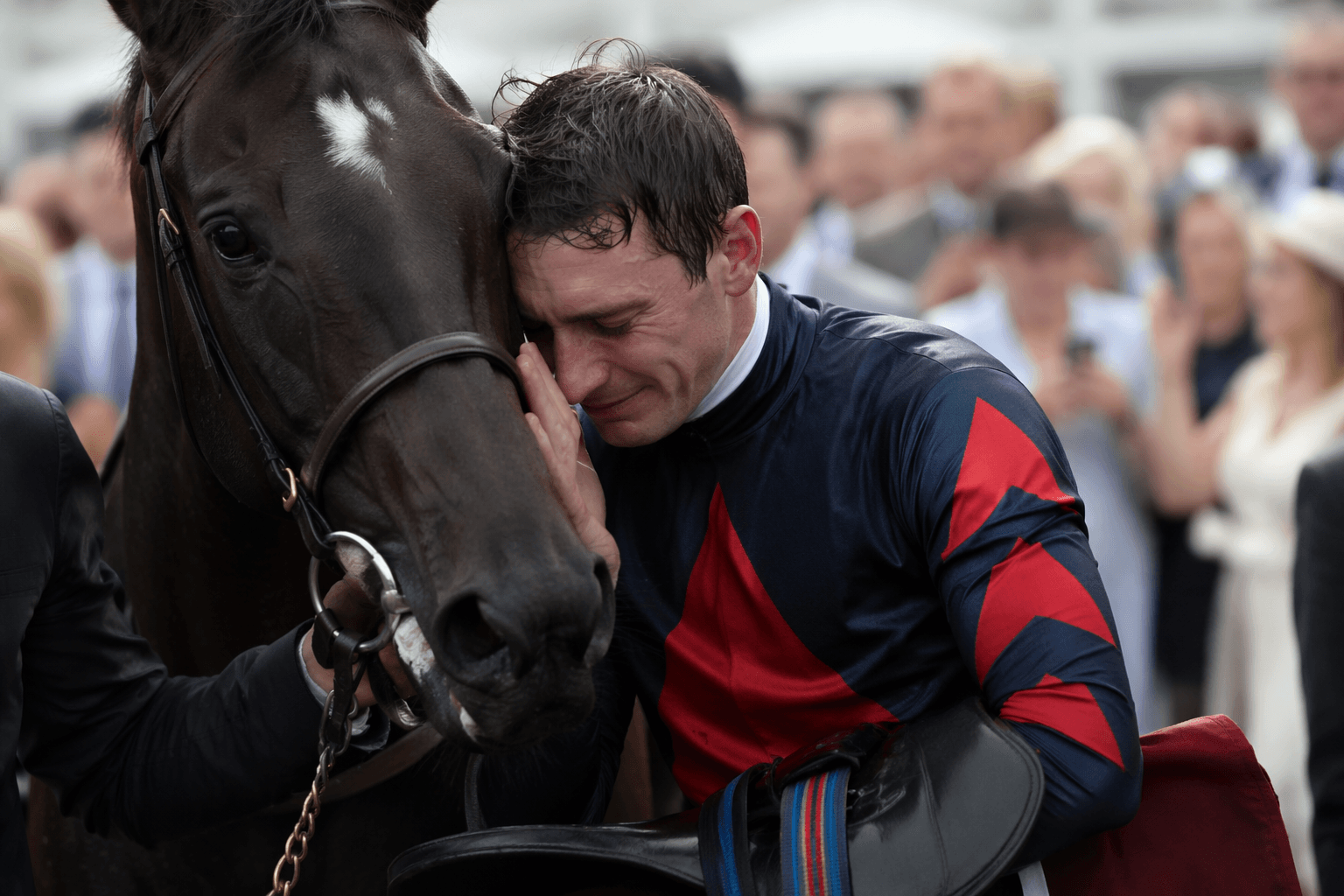
Alex Achard is the clearest debut subplot. The France-based rider is making his first Preakness appearance on Great White, and his connection to the colt already carries memory and tension from the Kentucky Derby, where Great White reared, flipped in the gate and unseated him before the race even began. That kind of reset can harden a rider or haunt him, and either way it makes his first Preakness trip one of the most emotionally loaded assignments in the field.
Rafael Bejarano adds a different kind of intrigue. He is back on the Triple Crown stage after 17 years, which gives his mount on Robusta a comeback narrative with real weight. A long gap like that changes the meaning of the ride: it is not only about one result, but about whether an old-guard big-race rider can step right back into a pressure cooker and still read the pace correctly.
The names with the most to gain
Junior Alvarado may be the rider with the most to protect and the most to build on. He is coming off a career year that included his first Kentucky Derby and Belmont Stakes victories aboard Sovereignty, and that alone puts him in a rare class of recent Triple Crown performers. He also already guided Crupper to the Bathhouse Row Stakes win that secured this Preakness berth, so this is not a cold assignment. The partnership matters, because a rider who already knows how a horse responds can spend less time guessing and more time managing position.
Tyler Gaffalione enters with a different kind of edge on Ocelli, the colt who ran third in the Kentucky Derby at 70-1. That result changes everything about expectations. A horse that outran the market in Louisville can force rivals to treat him like a serious pace and trip threat, and Gaffalione now has a horse that already proved he can handle the chaos of a big-field classic. If the early tempo gets messy, Ocelli becomes exactly the sort of horse whose rider can turn a crowded race into an opening.
Jose Ortiz and Irad Ortiz Jr. make the field even tougher for everyone else. Their presence alone tells you this is not a loose, second-tier rider lineup where one mistake might go unpunished. John Velazquez, a Hall of Famer, adds the same sense of major-race gravity. When that many elite riders are in the same gate, the race is rarely won by brute force alone. It is usually won by the jockey who sees the developing shape of the race first.
Why this Preakness carries extra institutional weight
The venue change amplifies every decision. The 2026 Preakness is being run Saturday, May 16, at Laurel Park while Pimlico Race Course undergoes a rebuild, ending a 108-year Preakness run at Pimlico for this year. The race is expected to return to Pimlico in 2027, but for now the switch gives the event an unusual, almost disorienting feel for a Triple Crown fixture that has long been tied to Baltimore.
That matters for horsemen because new surroundings can change rhythm, sight lines and the feel of the day. Laurel also comes with a capped attendance of about 4,800, which creates a more intimate setting than usual for a race with a $2 million purse and national stakes significance. The smaller crowd and altered backdrop make the rider’s job even more visible, because every move will feel magnified.
The race is also happening during a broader ownership and operating transition, with 1/ST Racing in its final year before Churchill Downs Inc. takes control of the Preakness and Black-Eyed Susan intellectual property rights. That kind of institutional turnover does not change the starting gate, but it does add a layer of business history to a race already marked by a venue shift and a changing Triple Crown calendar.

A fragmented Triple Crown path changes the trip map
Only three runners in this field were in the Kentucky Derby: Ocelli, Incredibolt and Robusta. Golden Tempo, the Derby winner, is not running in the Preakness, continuing a recent pattern in which the Derby champion often skips Baltimore entirely. That leaves the race with a different competitive shape than fans might expect from a classic Triple Crown sequel.
For riders, that fragmentation matters. With fewer Derby crossovers, there is less shared form to lean on and fewer obvious pace references from the previous classic. The result is a more open tactical puzzle, where the winner may be the jockey who anticipates the flow of the race instead of waiting for form alone to sort it out.
What to watch when the gate opens
The most important decisions will likely come early, not late. If the pace is fast, the riders with proven big-race calm can wait for the race to come back to them; if it is slow, someone will have to commit and force the issue before the field gets comfortable. That is why Alvarado’s chemistry with Crupper, Gaffalione’s proven Derby-third mount, Achard’s high-stakes return, and Bejarano’s long-awaited comeback all matter more than a simple list of names.
The Preakness has always rewarded courage, but this renewal adds a sharper edge: a new venue, a capped crowd, a changed ownership backdrop and a jockey colony strong enough to turn one early decision into the difference between a career-defining ride and a painful what-if.
This article was produced by Prism’s automated news system from verified source data, official records, and press releases, then run through automated quality and moderation checks before publishing. The system is built and supervised by the people who set the standards it runs under. Read our full AI policy.
Know something we missed? Have a correction or additional information?
Submit a Tip