Queen Elizabeth Stakes Barriers Drawn, Favourites Land Prime Gates
Gate 10 or wider has produced only three Queen Elizabeth Stakes winners since 1990. The 2026 favourites drew inside the magic seven.
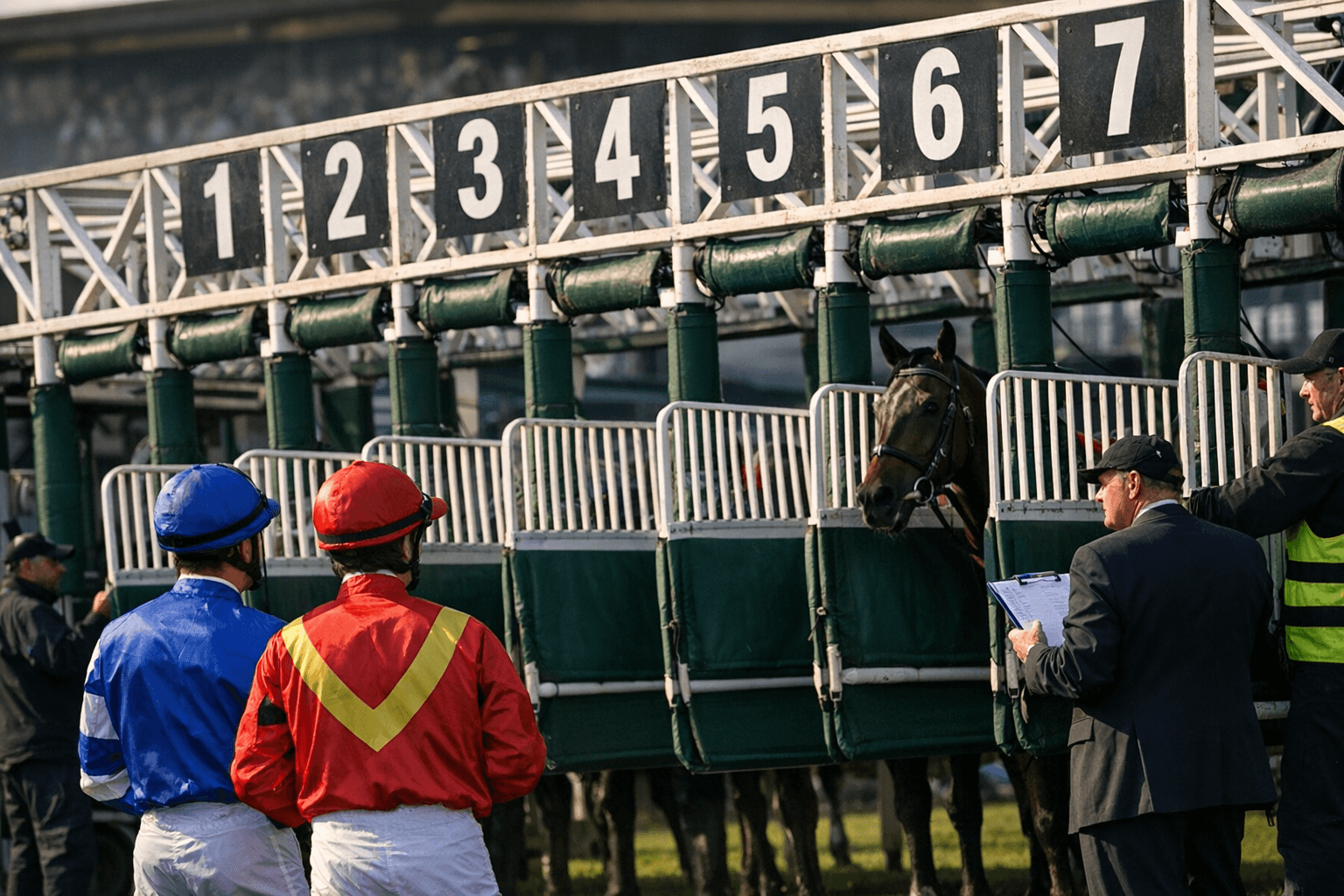
The $5 million barrier that actually matters at Royal Randwick came first. Before a dollar of prize money is distributed on Saturday, the gate each horse exits on April 11 will shape every race-day decision worth making. Tuesday's release of the 2026 Queen Elizabeth Stakes final field and barriers handed the meeting's most telling verdict to the favourites, with the principals reportedly securing inside draws ahead of the Group 1, weight-for-age 2000 metre showpiece.
The historical numbers are unambiguous on why that matters. Since 1990, only three winners of the Queen Elizabeth Stakes have come from barrier 10 or wider. The overwhelming majority of champions over 35 years have settled into the race from the inside seven gates. Experts point to the typically small, elite field as the explanation: when there are only ten or eleven runners contesting $5 million at weight-for-age, class resolves most situations, but a low draw eliminates one of the few variables that class cannot fix.
William Haggas and Tom Marquand arrive as the race's defining modern partnership, having won three of the last five editions of this race. Dubai Honour, trained by Haggas and ridden by Marquand, was a prominent contender after winning the Tancred Stakes at Group 1 level. The UK raider is a hold-up horse who requires traffic management: Marquand will want to settle him in the first five, conserve energy through the middle third, and find clear running from the 600-metre mark. A prime barrier makes that sequence entirely achievable without the wide, energy-sapping path that plagued Dubai Honour in 2025, when he drew gate 13 in a field of 15 and still finished at single-figure odds.
The Japanese contingent adds genuine X-factor. Rousham Park and Geoglyph carry the credentials of the Japanese racing programme's elite, and connections have shown real belief by investing in the trip to Sydney. Japanese runners tend to race prominently and travel under pressure, making them sensitive to barrier placement: an inside draw lets them slot naturally into position without burning unnecessary petrol early. A wide gate forces them forward or back, neither of which suits their preferred rhythm.
Deny Knowledge shapes as the likely leader, a front-runner whose job becomes both simpler and more exposed by a low barrier. If she crosses comfortably to the rail and dictates a genuine tempo without being pressed, the mid-field horses face a proper test of stamina at the 800-metre mark. If she gets shuffled or crowded on the way to the first turn, the pace collapses and the race becomes a sprint from the 400, which hands the advantage straight back to the most explosive finisher in the field.
The gate bias stat worth keeping in mind when markets move on race morning: since 1990, only three Queen Elizabeth Stakes winners have jumped from barrier 10 or wider, which effectively means any runner exiting from gate eight onwards is already racing against the record book as well as the field.
Here is the tactical framework for Saturday's favourites. If Dubai Honour gets a clean, unimpeded passage from his draw and Marquand can hold him at one-off the fence through the middle stages, he has enough class to sprint clear at the top of the straight. If he is shuffled back beyond six lengths at the turn and forced wide onto the track, the petrol bill from barrier to home is likely to cost him a length he cannot give away. For the Japanese runners, the critical moment is the 1200-metre mark: if they are on the speed and travelling without maximum effort, they are genuine winning chances; if they are scrubbing along to maintain contact, their finish will flatten in the last 100 metres. And if Deny Knowledge is still clear by three lengths at the 600, the race is hers to lose, not the favourites' to win.
The Queen Elizabeth Stakes carries a prize pool of $5,000,000 AUD as the feature weight-for-age race of the Sydney Autumn Racing Carnival, run over 2,000 metres at Royal Randwick as part of The Championships. Barriers drawn on Tuesday. Tactics locked in on Saturday.
This article was produced by Prism’s automated news system from verified source data, official records, and press releases, then run through automated quality and moderation checks before publishing. The system is built and supervised by the people who set the standards it runs under. Read our full AI policy.
Did this article answer your question?