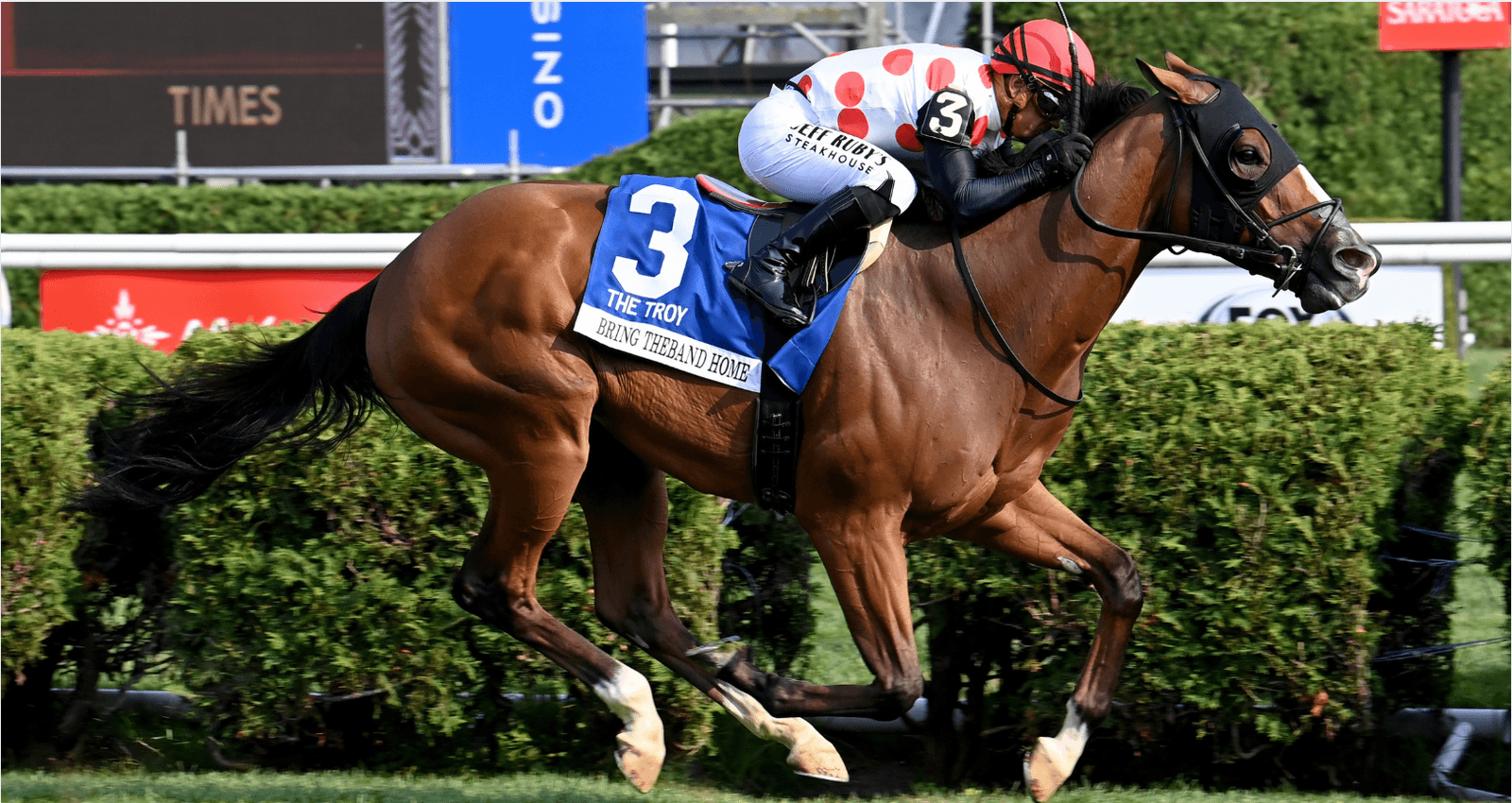
Reform UK blasts Plaid Cymru call to ban horse racing
A Welsh horse-racing ban would hit Chepstow, Bangor-on-Dee and Ffos Las first, with 85,000 jobs and the Welsh Grand National in the balance.

A horse-racing ban in Wales would reach far beyond a political talking point, landing first on racegoers, stable staff and rural employers at Chepstow, Bangor-on-Dee and Ffos Las. Liz Saville Roberts, Plaid Cymru’s Westminster leader and MP for Dwyfor Meirionnydd, argued that Britain should follow Australian states that have ended jump racing and said the sport does not significantly boost the Welsh rural economy.
Reform UK figures hit back immediately, casting the idea as a direct threat to one of Britain’s most established sports. The British Horseracing Authority says Britain has 59 racecourses and the industry supports more than 85,000 jobs. The British Horse Society puts the annual draw at more than five million visits to racecourses, a scale that would make any Welsh ban felt not just in the grandstand but in hotels, transport and the betting ring.
Wales would absorb the shock unevenly. Visit Wales says there are three major racecourses in the country, with Chepstow home to the Welsh Grand National, Bangor-on-Dee dating back to 1859 and Ffos Las opening in 2009 as the first new National Hunt course built in the UK for 80 years. Lose one of those fixtures and the local calendar loses more than a day out; it disrupts race-day staffing, hospitality, sponsorship and the flow of punters who travel in for marquee meetings.
The timing gives the argument extra weight. The Senedd backed a ban on greyhound racing by 39 votes to 10 on March 17, after the Welsh Government introduced the Prohibition of Greyhound Racing (Wales) Bill in September 2025. That vote has emboldened animal-welfare campaigners, but horse-racing supporters are likely to argue that equine racing is a different economic proposition, one tied to rural jobs, tourism and heritage in places such as Monmouthshire, Carmarthenshire and Dwyfor Meirionnydd.
With the Senedd election set for May 7, the issue now tests how far Welsh politics will go beyond symbolism and into enforcement. A move from rhetoric to regulation would not just alter a campaign line; it would force Wales to rethink part of its sporting identity, its betting business and the schedule that brings thousands through the gates at Chepstow, Bangor-on-Dee and Ffos Las.
This article was produced by Prism’s automated news system from verified source data, official records, and press releases, then run through automated quality and moderation checks before publishing. The system is built and supervised by the people who set the standards it runs under. Read our full AI policy.
Did this article answer your question?