Royal Ascot draw bias sparks row over straight-course fairness
High stalls kept landing the bigger blows at Royal Ascot, and trainers said the straight course had become a competitive test of bias, not ability.

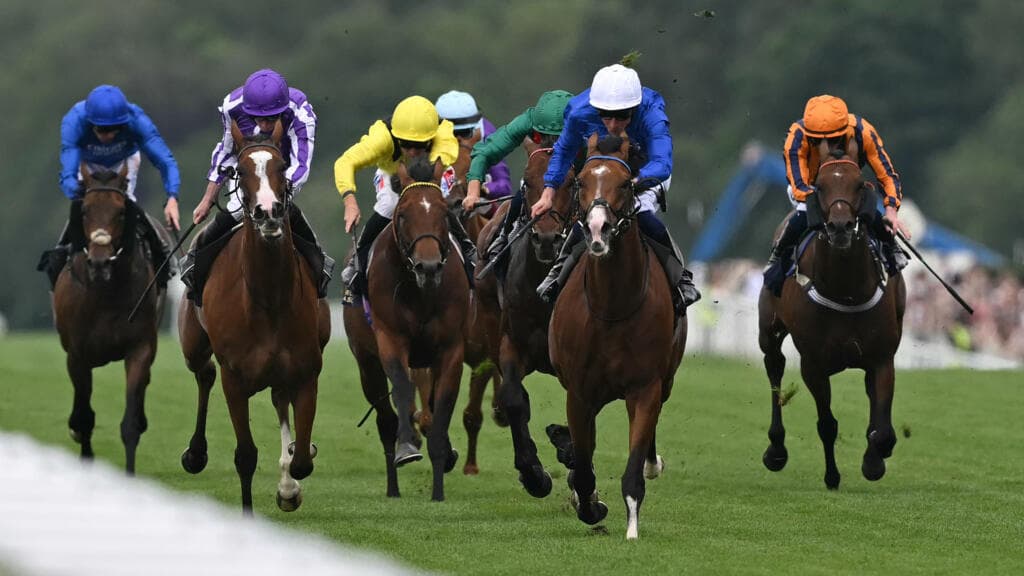
Horses drawn high kept landing the cleaner run at Royal Ascot, and clerk of the course Chris Stickels warned on June 19 that the apparent advantage might not last through the final two days. Trainers, including Simon Crisford, said the straight-course pattern had gone beyond a talking point and into something "shocking and unfair", with average winning stalls in large fields cited at 17.4.
The argument sharpened because the evidence was not just anecdotal. At The Races' draw-and-tactics analysis of Royal Ascot 2025 pointed to straight-course winners from stalls 32, 29, 28 and 13 in big fields of about 27 to 28 runners, with the middle to high numbers down the centre to stands' side coming out best. It also noted that the picture was not uniform across the meeting, because low numbers had their say at points during the week and the round course produced a different pattern again, with major-race winners coming from stalls 6, 5, 7 and 7 in 2025.
Stickels pushed back hard. He said there was no inherent track bias, that the course was watered evenly and that conditions did not differ materially across the width of the straight. He later called the criticism "frustrating". More than 370 horses had raced over the first three days of Royal Ascot 2026, with only one withdrawal because of the ground, and the surface stayed good to firm through much of the week.
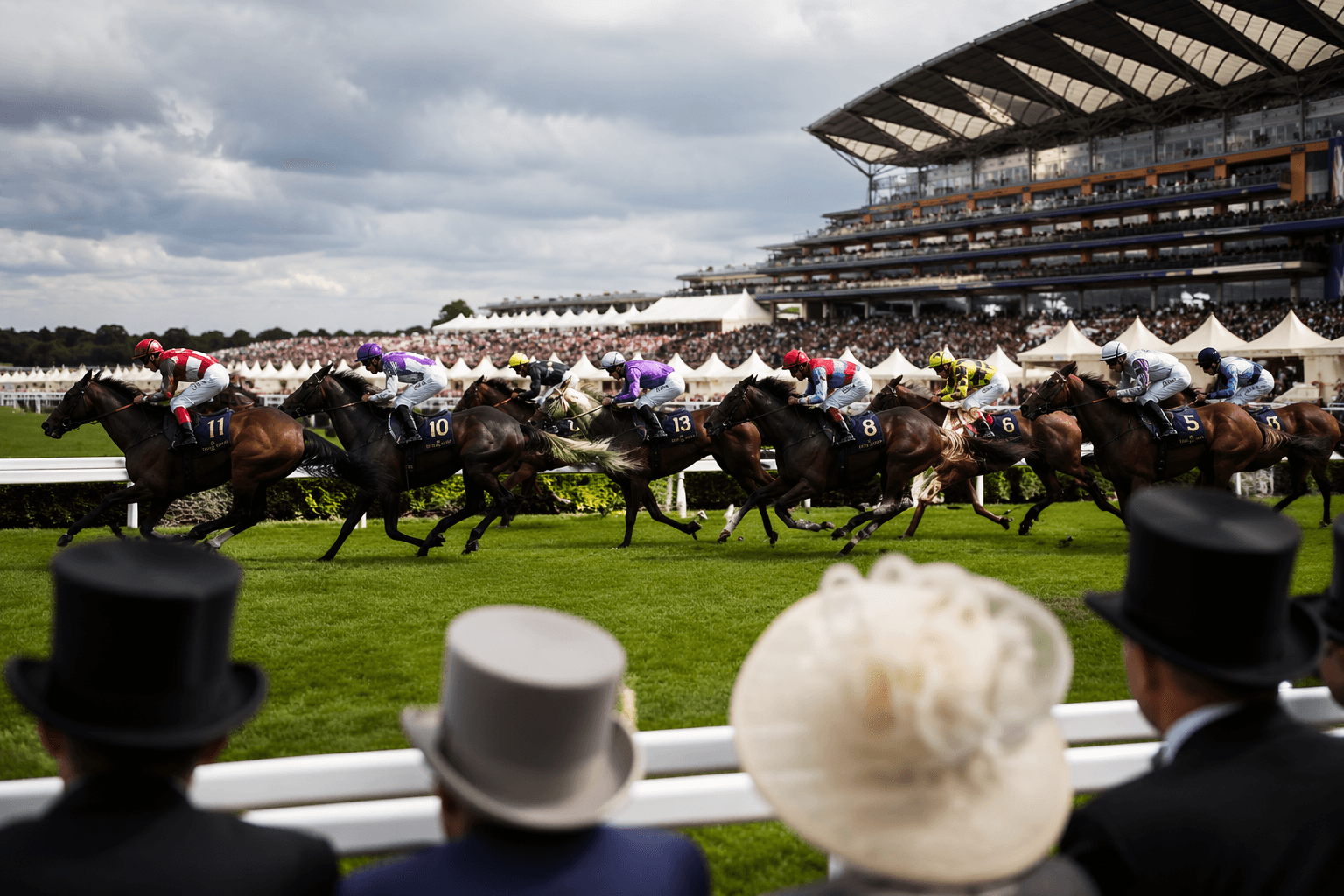
That backdrop mattered because Royal Ascot was otherwise delivering the kind of week that usually cements its status as the showpiece of the British Flat season. On June 18, Aidan O'Brien became the first trainer to reach 100 Royal Ascot winners when Scandinavia landed the Gold Cup, giving him a 10th victory in the race. Racing Post also said ITV Racing audiences were up 14% year on year and streaming views almost doubled, underlining how commercially powerful the meeting remained even as the draw row grew louder.
The tension now sits at the heart of the next straight-course meeting. If high stalls are carrying too much of the load in big fields, Ascot must show more than reassurance: officials will need clearer data, sharper explanation of watering and a stronger case that the straight course is deciding races on merit, not postcode.
This article was produced by Prism’s automated news system from verified source data, official records, and press releases, then run through automated quality and moderation checks before publishing. The system is built and supervised by the people who set the standards it runs under. Read our full AI policy.
Know something we missed? Have a correction or additional information?
Submit a Tip