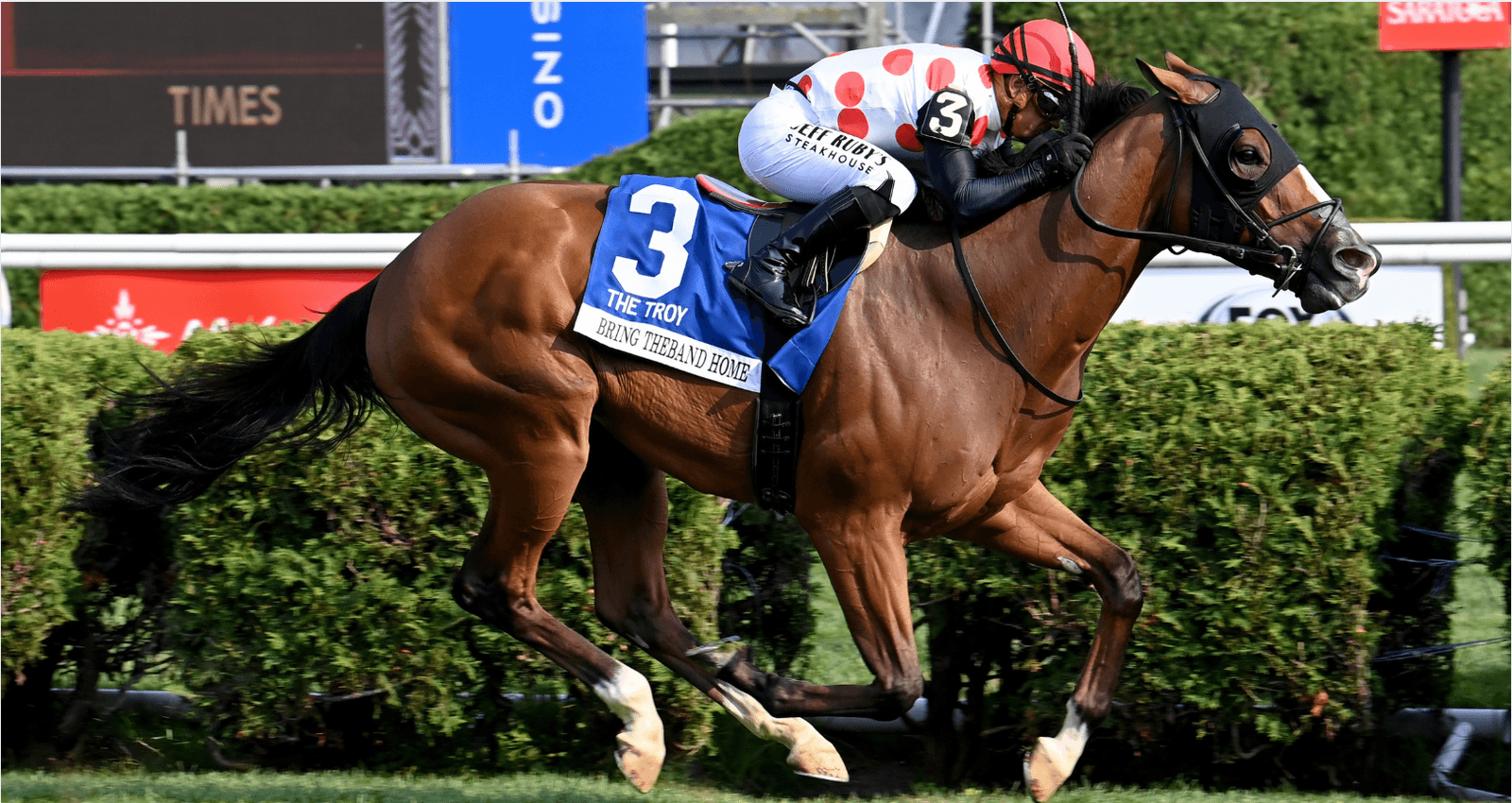
Second Horse Dies at Cheltenham Festival, Sparking Renewed Welfare Concerns
HMS Seahorse, trained by Paul Nolan, died after falling at the final hurdle Wednesday, becoming the second horse lost at the 2026 Cheltenham Festival in two days.
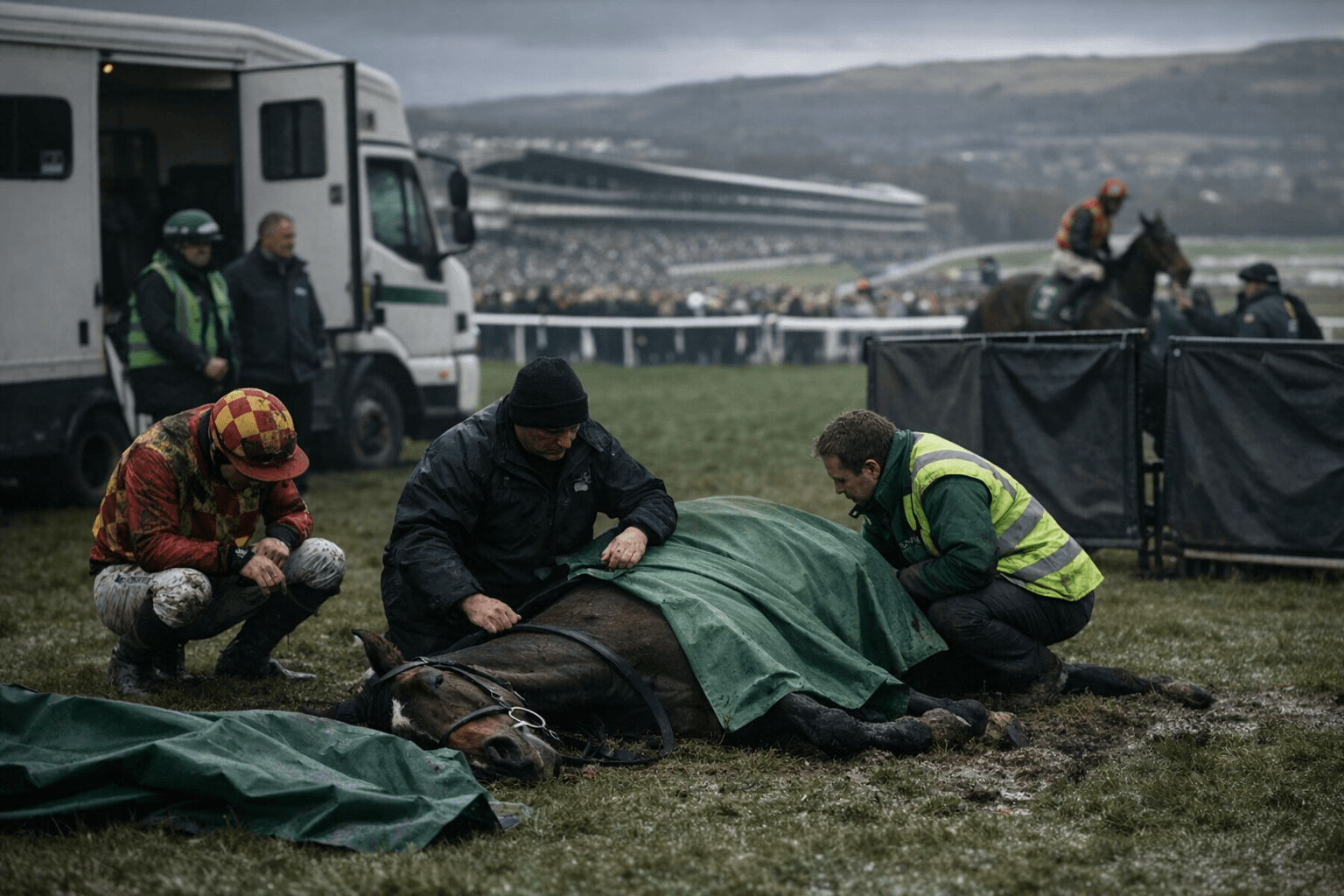
HMS Seahorse fell at the final hurdle in the 2.40pm BetMGM Cup Handicap Hurdle on Wednesday and was euthanized shortly after, making the eight-year-old the second horse to die at the 2026 Cheltenham Festival in as many days.
Cheltenham Racecourse issued a statement confirming the death of the Paul Nolan-trained gelding: "HMS Seahorse was immediately attended to by a team of expert vets during our third race of the day, but sadly sustained an injury when falling at the final hurdle and could not be saved. Our heartfelt condolences are with connections."
ITV Racing presenter Ed Chamberlin read the statement on air, the second time in two days he had been required to deliver that kind of news to viewers. On Tuesday, Chamberlin broke what he described as a "sad postscript" to the Singer Arkle Challenge Trophy Novices' Chase: Hansard, trained by Gary and Josh Moore, had suffered a fatal injury on the flat and was put down. Two horses, two days, before the Festival had even reached the halfway point.
The deaths drew an immediate response from the League Against Cruel Sports, whose chief executive Emma Slawinski did not mince words. "Every year horses are raced to their deaths at the Cheltenham Festival and while the death of HMS Seahorse will sadden all animal lovers, tragically it is not a surprise," Slawinski said. Citing Animal Aid figures, she put the cumulative toll at 80 horses dead at Cheltenham since 2000, a number she called "simply staggering." "If this death toll happened in any other sport there would be a huge outcry so why is it any different for horses?" The League is calling for a public boycott, urging people to stay away from the Festival, stop betting on the races, and avoid ITV's coverage. Slawinski also called on the government to introduce tighter safety measures and ban the use of the whip, arguing the administration had "promised the biggest boost for animal welfare in a generation" and needed to deliver.
The 2025 Cheltenham Festival had also seen two fatalities: Springwell Bay died first, and Corbetts Cross fell in the Gold Cup itself.
The Jockey Club, which owns Cheltenham Racecourse and organizes both the Cheltenham and Aintree Festivals, has pushed back on the cumulative framing with its own numbers. In a press release issued before the start of this year's Festival, the organization cited an investment of more than £63 million in equine welfare since 2000 and reported that out of 86,262 runners in 2025, only 0.22 percent were fatally injured. The faller rate across British racing has declined in each of the last 21 consecutive years and now sits at 1.98 percent of runners. The Jockey Club also pointed to concrete course changes, including replacing orange jump markers with white ones across all racecourses following Exeter University research into equine vision. British racing's independently chaired Horse Welfare Board oversees a long-term strategic plan called "A Life Well Lived."
Those figures will do little to quiet campaigners while the screens at Prestbury Park are still showing green screens over fallen horses. With two days of the Festival still to run, the scrutiny on Cheltenham's safety record is only going to intensify.
This article was produced by Prism’s automated news system from verified source data, official records, and press releases, then run through automated quality and moderation checks before publishing. The system is built and supervised by the people who set the standards it runs under. Read our full AI policy.
Did this article answer your question?