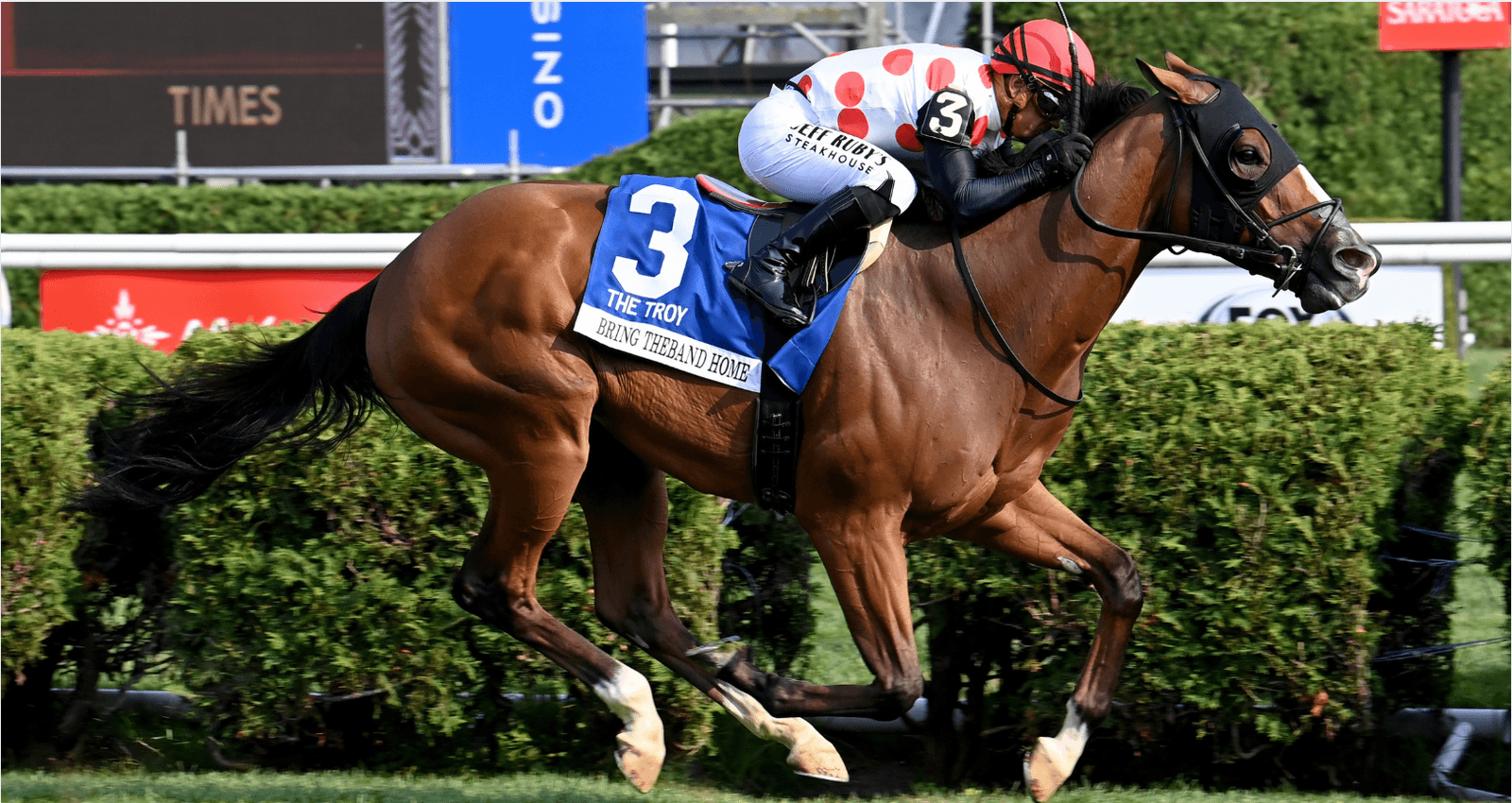
Silent Tactic scratched from Preakness after foot injury setback
Silent Tactic’s scratch stripped a key speed horse from the Preakness and forced bettors to rethink the pace picture at the sport’s most watched middle jewel.
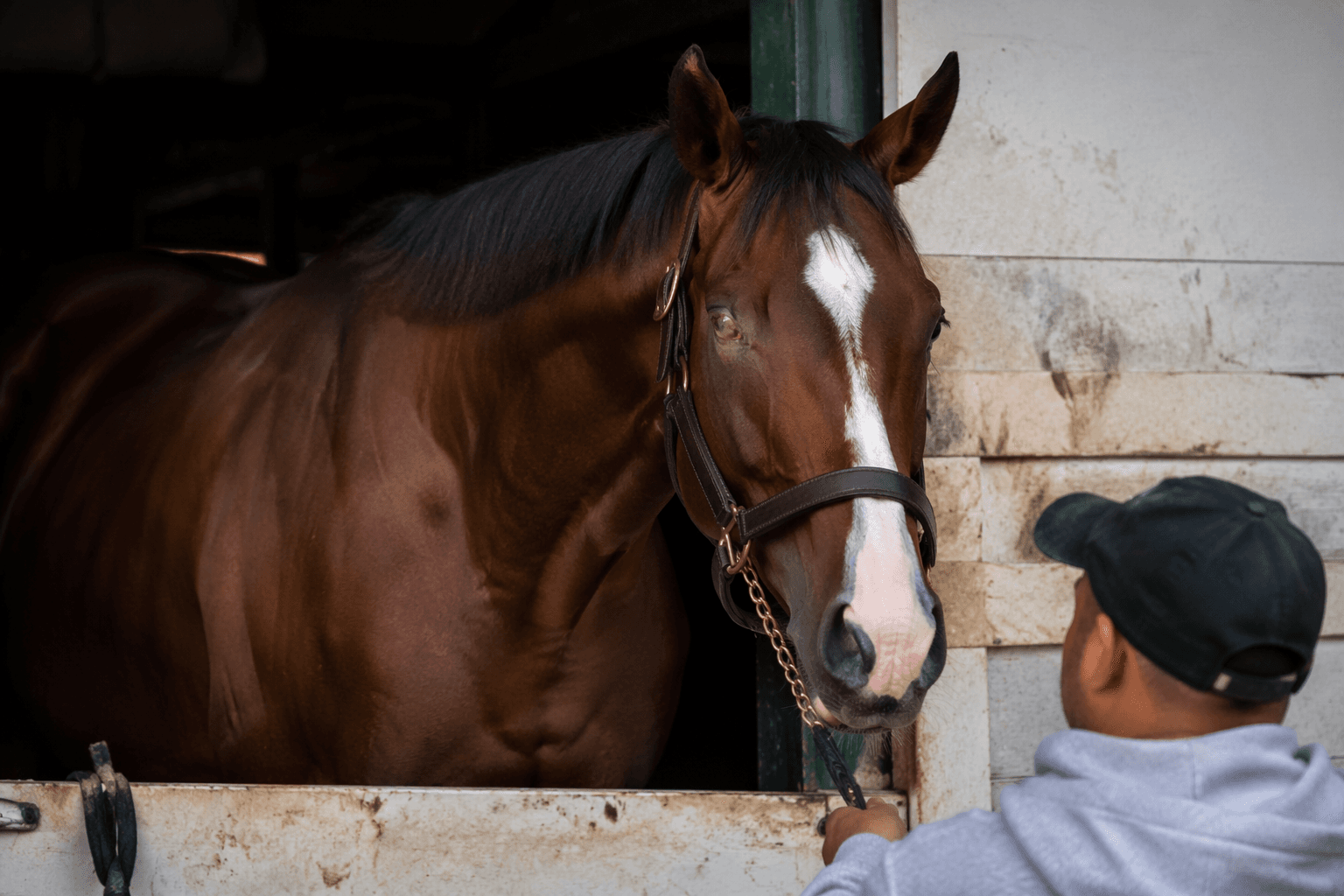
Silent Tactic’s exit changed the Preakness shape before the gate ever opened, removing one of the race’s clearest speed threats and leaving the remaining front-runners with less company up top. What had looked like a pace map with a reliable influence now figures to be more tactical, with bettors and horsemen recalibrating how the race might unfold without the colt who could have pressed the opening quarter-mile.
Trainer Mark Casse ended the suspense on May 11 after checking the colt in the morning and deciding the Preakness came too soon. Silent Tactic still was not jogging at full strength after the bruised left front foot that already forced him out of the Derby, and Casse had no interest in asking for another major effort from a horse that was not right. The colt had been galloping fine, but not jogging at 100 percent, which made a start unrealistic.
Casse had already tried to manage the problem carefully. He removed the protective shoe, switched to a regular shoe, and kept the colt training with a full pad and glue-on shoes. Even with those steps, Silent Tactic did not progress enough to justify shipping for the Preakness, and the plan to send him to Laurel Park on May 12 was wiped out immediately. Irad Ortiz Jr. had been named to ride.
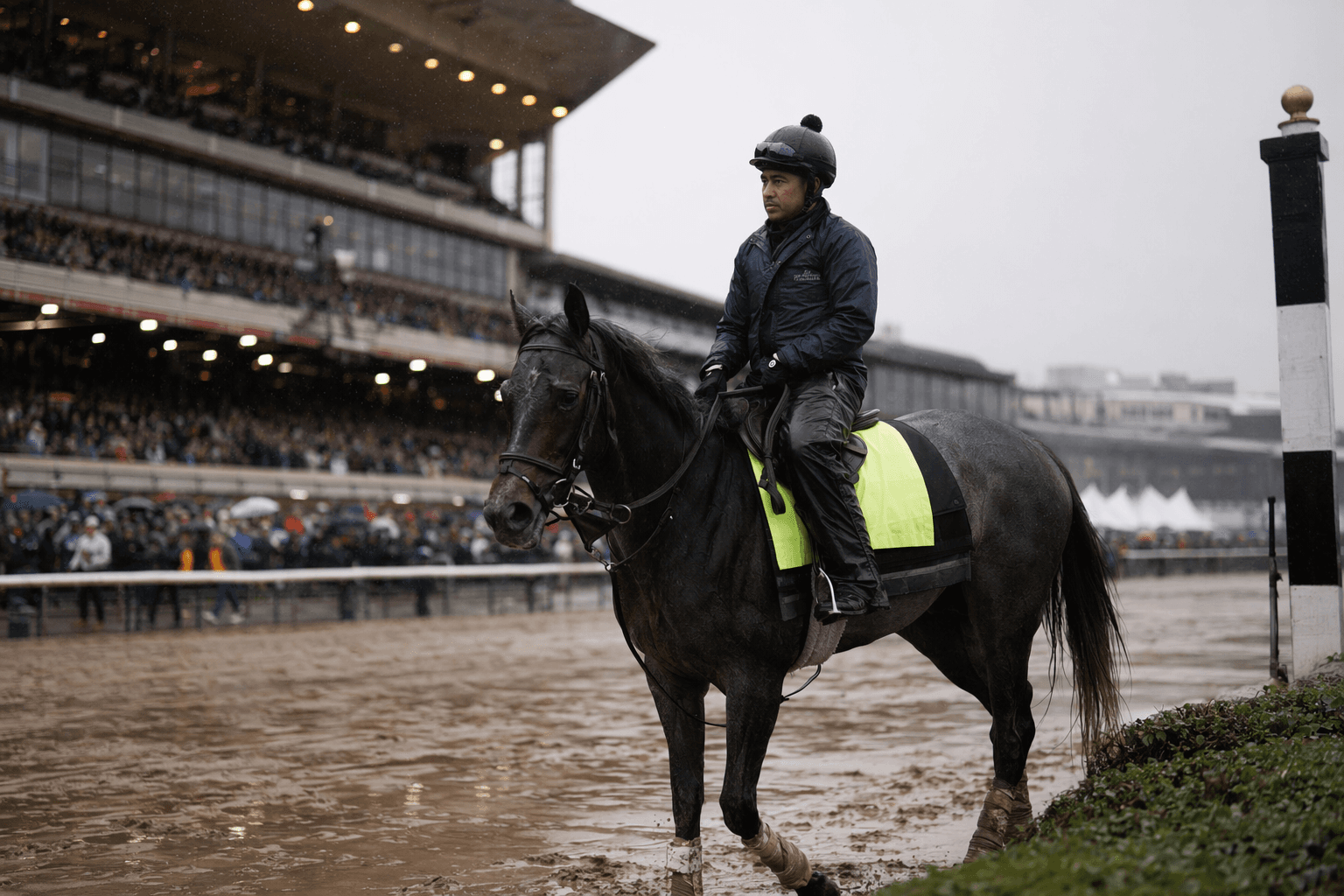
The scratch matters because Silent Tactic was more than just another entrant. The son of Tacitus had real early speed and had already proved he could stay on the Derby trail’s toughest tests. He won the Southwest Stakes and finished second in both the Rebel and the Arkansas Derby, a resume that made him one of the more durable 3-year-olds in the spring crop. More important for the race itself, he was the kind of horse that could have forced the first turn and changed the tempo for everyone else.
Without him, the Preakness loses a recognizable pace presence and gains uncertainty. That often helps the most efficient stalkers, while making life harder for any horse hoping to control the race from the front. It also changes the betting logic: a pace-driven outcome becomes less predictable, and the field now has to answer a different question about who, if anyone, will set a punishing pace. For a race that already sits at the center of the Triple Crown conversation, Silent Tactic’s absence removes one of the key variables that had been shaping the middle jewel picture.
This article was produced by Prism’s automated news system from verified source data, official records, and press releases, then run through automated quality and moderation checks before publishing. The system is built and supervised by the people who set the standards it runs under. Read our full AI policy.
Did this article answer your question?