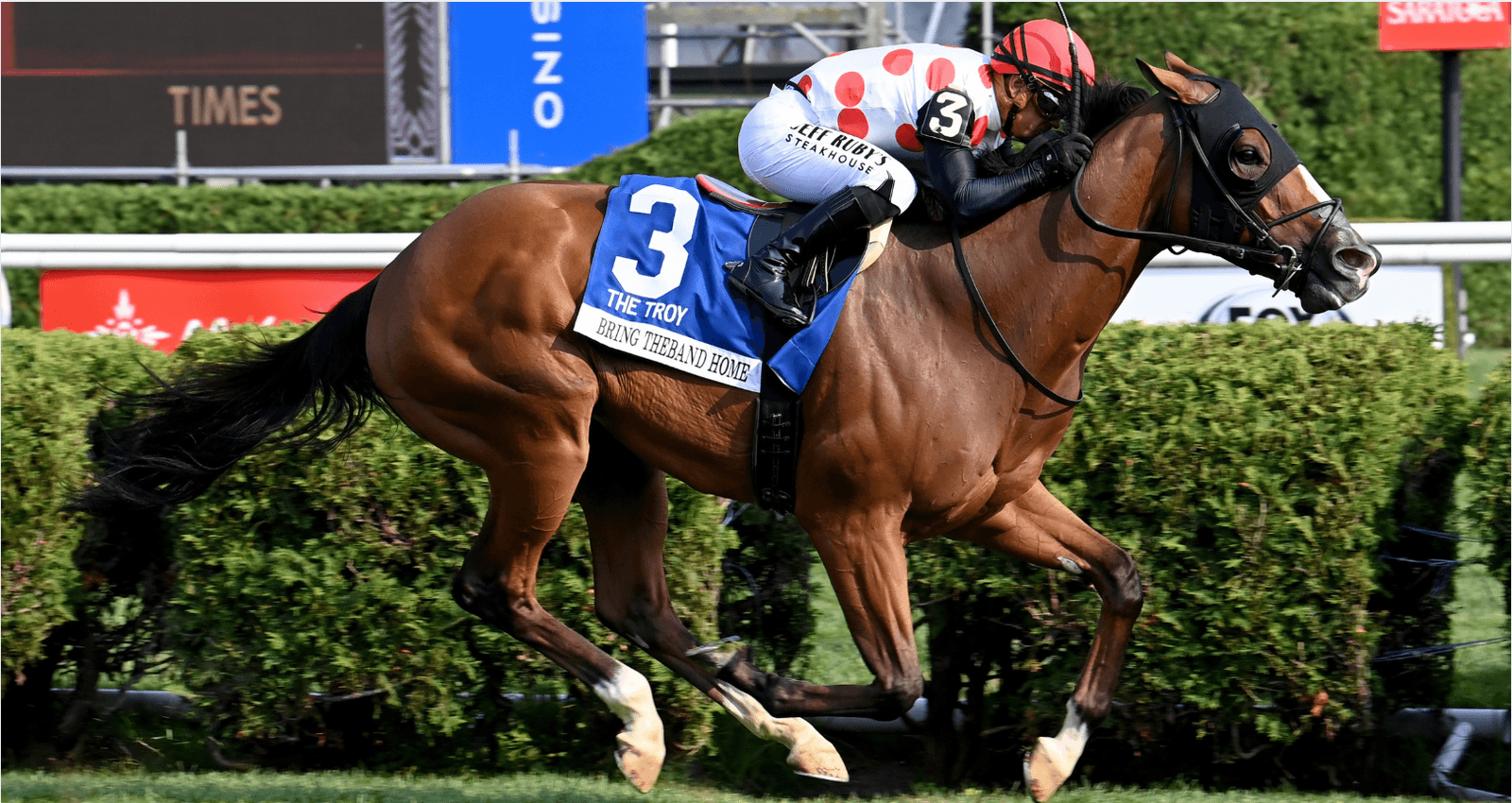
Spotting True Classic Contenders, Separating Route Prospects From Sprint Specialists
Not every fast 2-year-old becomes a classic horse; spring is when the evidence arrives and the real separation begins.
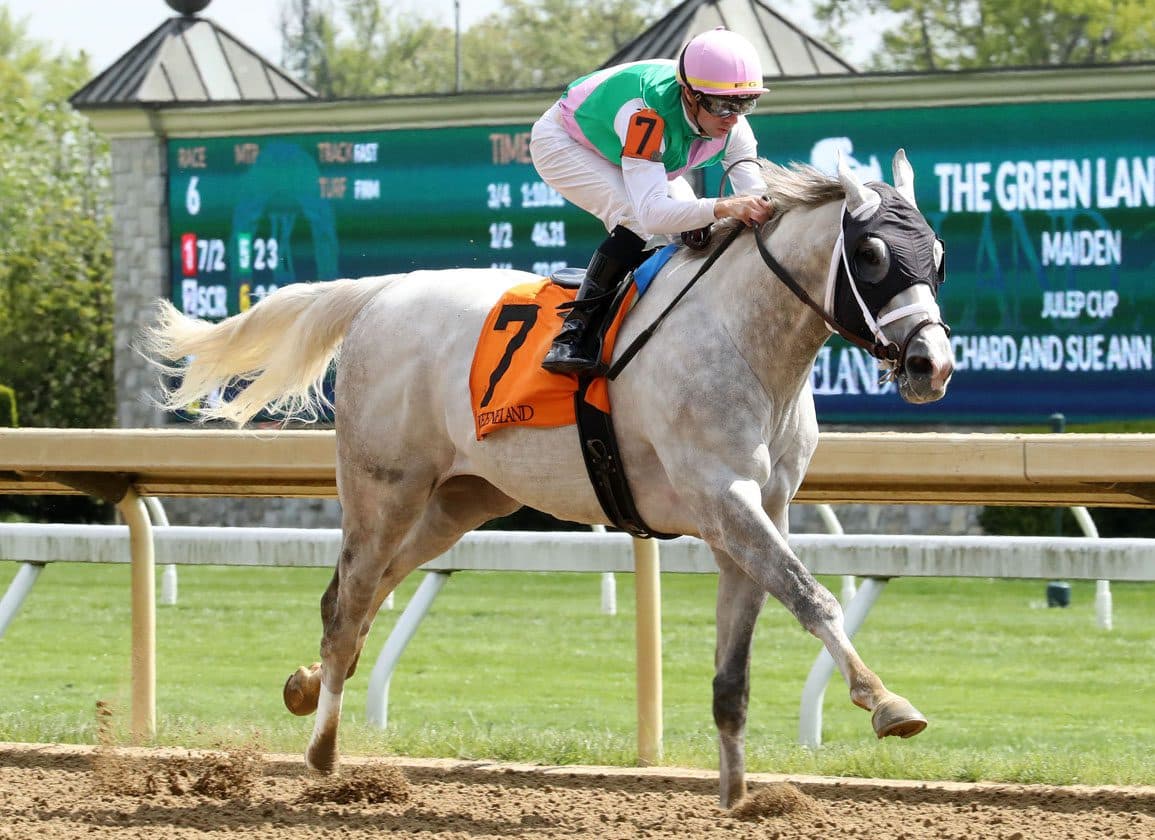
The calendar flips to spring and suddenly every unbeaten maiden winner is a Kentucky Derby contender in someone's mind. That's the trap. The horses that actually make the jump from promising sprint types to genuine classic contenders represent a specific, identifiable profile, and the tools to find them have never been more accessible or more misused. Separating route prospects from sprint specialists is one of the most consequential analytical tasks in the sport, and getting it right requires more than a fast fraction and a good-looking work tab.
Why spring is the proving ground
The 3-year-old season accelerates faster than any other division in racing. By March and April, horses that showed ability as juveniles are now being asked entirely different questions. Can they rate off a pace? Can they sustain effort around two turns? Do they strengthen through the final furlong or flatten out? These aren't theoretical concerns; they're measurable, observable, and rooted in both what a horse has already done and what its bloodlines suggest it's capable of doing.
Spring is specifically when the 1 1/8-mile prep races begin sorting the field in earnest. That distance, two turns and sustained pressure across a mile and an eighth, is the baseline demand of classic racing. A horse that can't negotiate that distance with energy to spare going into a Derby or Preakness simply isn't a classic contender regardless of its sprint credentials. The prep calendar is designed to expose these limitations, and smart handicappers treat each race not just as a result but as a data point in a developing profile.
Reading pedigree beyond the sire line
Pedigree analysis gets reduced to sire lines far too often. Yes, knowing whether a horse's father was a two-turn router matters, but the full picture is considerably more layered. Dam lines carry stamina influence that can override a speed-oriented sire, and the dosage index, developed through the pedigree's chef-de-race hierarchy, gives a measurable numerical picture of whether a horse's genetic profile trends toward speed or stamina.
A horse with a high dosage index, heavily weighted toward "brilliant" and "intermediate" chefs-de-race, is statistically more likely to hit a wall going long. That's not a death sentence; plenty of Kentucky Derby winners have carried elevated dosage figures, but it raises the scrutiny threshold. Conversely, a horse with deep "professional" or "solid" chef-de-race influence in its female family, even from a sprinting sire, often has more route ability than its recent race history suggests. The pedigree doesn't guarantee anything; it sets the prior probability before you look at the performance data.
What the work tab actually tells you
Workout tabs are one of the most overrated and underanalyzed pieces of information in the sport simultaneously. Casual observers see a bullet work and assume speed. Sharp handicappers look at the pattern. A horse drilling consistently at five furlongs in 1:00 flat tells you it's fast and fit. A horse drilling at six furlongs in 1:13 with a strong final quarter tells you it's building for distance. The shape of the work matters more than the raw time.
Look for horses whose work distances are progressively lengthening as the prep season advances. A barn that takes a horse from four-furlong breezes in January to six-furlong maintenance works in March is telegraphing intent. Conversely, a horse stuck on a diet of four and five-furlong works with no extension in sight heading into a 1 1/8-mile prep is being pointed for a specific purpose, and that purpose is probably not the classic trail. The trainer's work pattern is as close to an honest signal as the public gets before race day.

Pace shape and running style as distance predictors
Running style isn't destiny, but it's a powerful indicator when read correctly. Front-runners who post sub-:22 first quarters in sprints face a very specific challenge stretching to two turns: the pace demands become compressive. If a horse has to be rated, restrained against its natural inclination, to survive the extended trip, that compromise shows up in how it finishes. Watch for horses that showed early speed in sprints but demonstrated a willingness to settle and build momentum; those are the ones that typically handle the distance extension most cleanly.
Closers and stalkers have a structural advantage in route races because their running style doesn't require the same pace sacrifice. A horse that habitually sat three to four lengths off a sprinting pace and then accelerated through the stretch has already demonstrated the ability to rate and respond, both essential skills for classic distances. What you're watching for is quality of acceleration, not just position. Does the horse run through the wire or stop at it? That final sixteenth of a mile is often the most revealing piece of information in the past performances.
The sprint-to-route transition: what the numbers say
Horses making their first two-turn start after a sprint or one-turn route career carry a specific and measurable uncertainty. The conventional wisdom is that class and pedigree will out, but the data on first-time routers in major preps is more complicated. Fitness built on shorter distances doesn't always translate to stamina for 1 1/8 miles, and a horse's cardiovascular and muscular conditioning adapts to the demands being placed on it. A horse coming off exclusively five-furlong works and a recent sprint effort is being asked to make two significant adjustments simultaneously: the physical demand of the longer trip and the tactical adjustment of two-turn racing.
The horses that handle this transition most successfully tend to share a few observable characteristics. Their recent race efforts show late energy rather than early dominance. Their pedigrees carry stamina influence on at least one side. Their work tabs show the barn has been building toward this distance for at least three to four weeks. And critically, their prior sprint efforts didn't require them to be under maximum pressure throughout; horses that had to be pushed hard to win sprints often don't have a reserve of ability to draw on when the trip gets longer and more demanding.
Putting the framework together
No single variable closes the case. Pedigree without performance data is genealogy. Performance data without pedigree context misses the structural picture. Work tabs without race shape analysis can mislead as easily as they inform. The handicapper who synthesizes all three, cross-referencing what the bloodlines suggest with what the race replays show and what the morning drills confirm, is operating at the level the spring classic prep season demands.
The horses that emerge from this analytical process as true route prospects will show alignment across all three dimensions: a pedigree that doesn't fight the distance, a race history that shows late energy and tactical adaptability, and a work tab that reflects a barn building toward something bigger. When those signals converge, you're not just looking at a promising 3-year-old. You're looking at a classic contender, and spring is exactly when that case gets made or falls apart.
This article was produced by Prism’s automated news system from verified source data, official records, and press releases, then run through automated quality and moderation checks before publishing. The system is built and supervised by the people who set the standards it runs under. Read our full AI policy.
Did this article answer your question?