Study links poor air quality, slower Thoroughbred times in training period
Bad air didn’t just linger over California tracks, it showed up in winning times about 10 days later, with PM2.5 hitting Thoroughbreds hardest.
Bad air did not just hang over California racetracks. It showed up in the clock, and not always on the same day the smoke or haze rolled through.
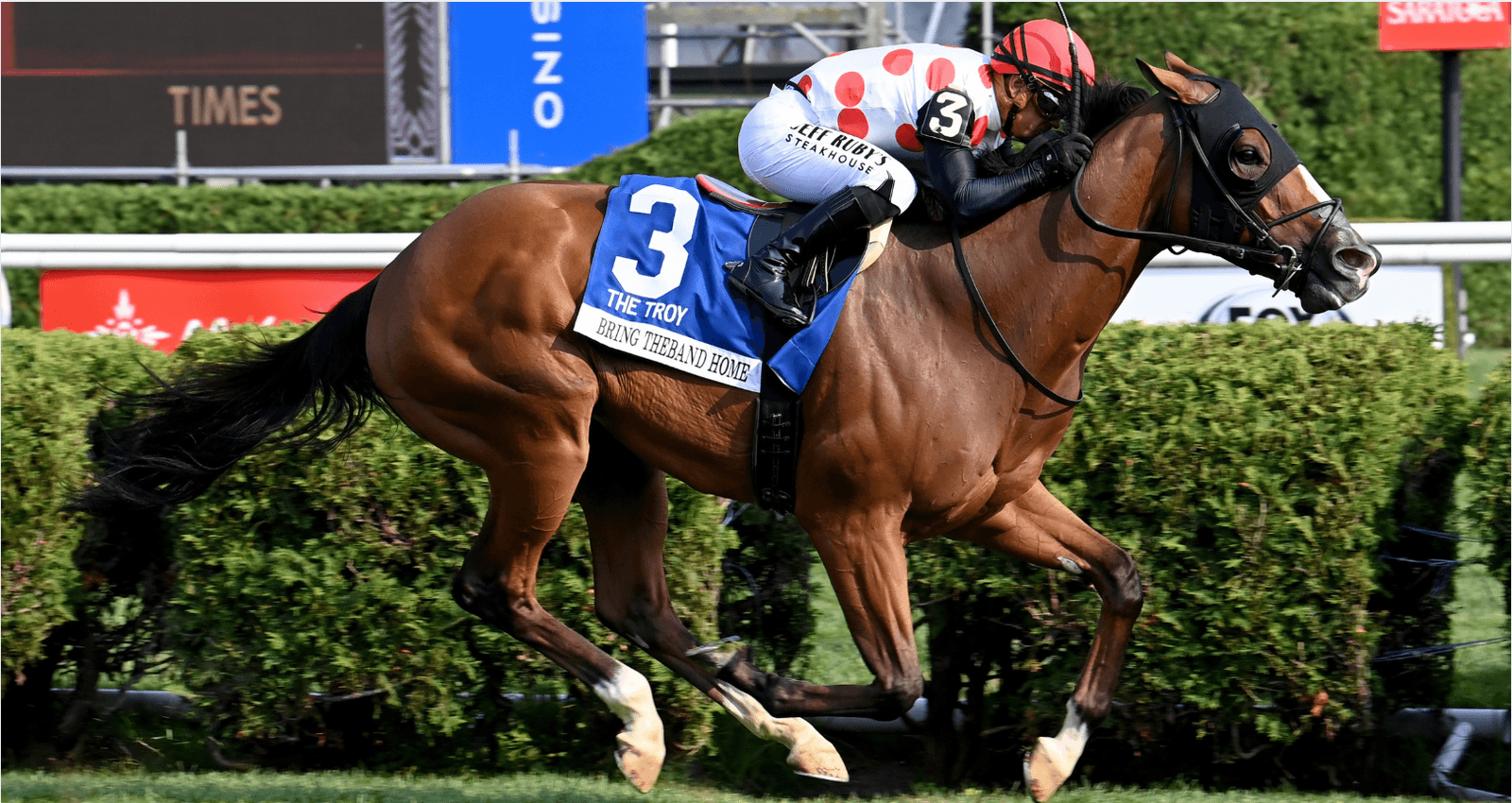
A Colorado State University study published in September 2024 in Equine Veterinary Journal found that Thoroughbreds in California ran slower when the air had been poorer during the training window before a race, with the biggest effect arriving about 10 days after exposure. The paper examined 31,407 winning races at 12 California racetracks from 2011 through 2020, using pollution readings from the nearest U.S. Environmental Protection Agency monitoring site within 100 kilometers of each track and race data from The Jockey Club Information Systems.
The pollutant most clearly tied to slower performance was PM2.5, the fine particulate matter associated with wildfire smoke and vehicle exhaust. Even relatively small increases above 5.5 micrograms per cubic meter were linked to slower winning times, and the CSU release said the slowdown showed up at pollution levels that were still below what federal standards consider unsafe for humans. Ozone also mattered once it reached moderate Air Quality Index levels. The important competitive wrinkle is that the horse may pay for a bad-air day after the air has cleared, which makes the days between breezes and the post parade just as important as race day itself.
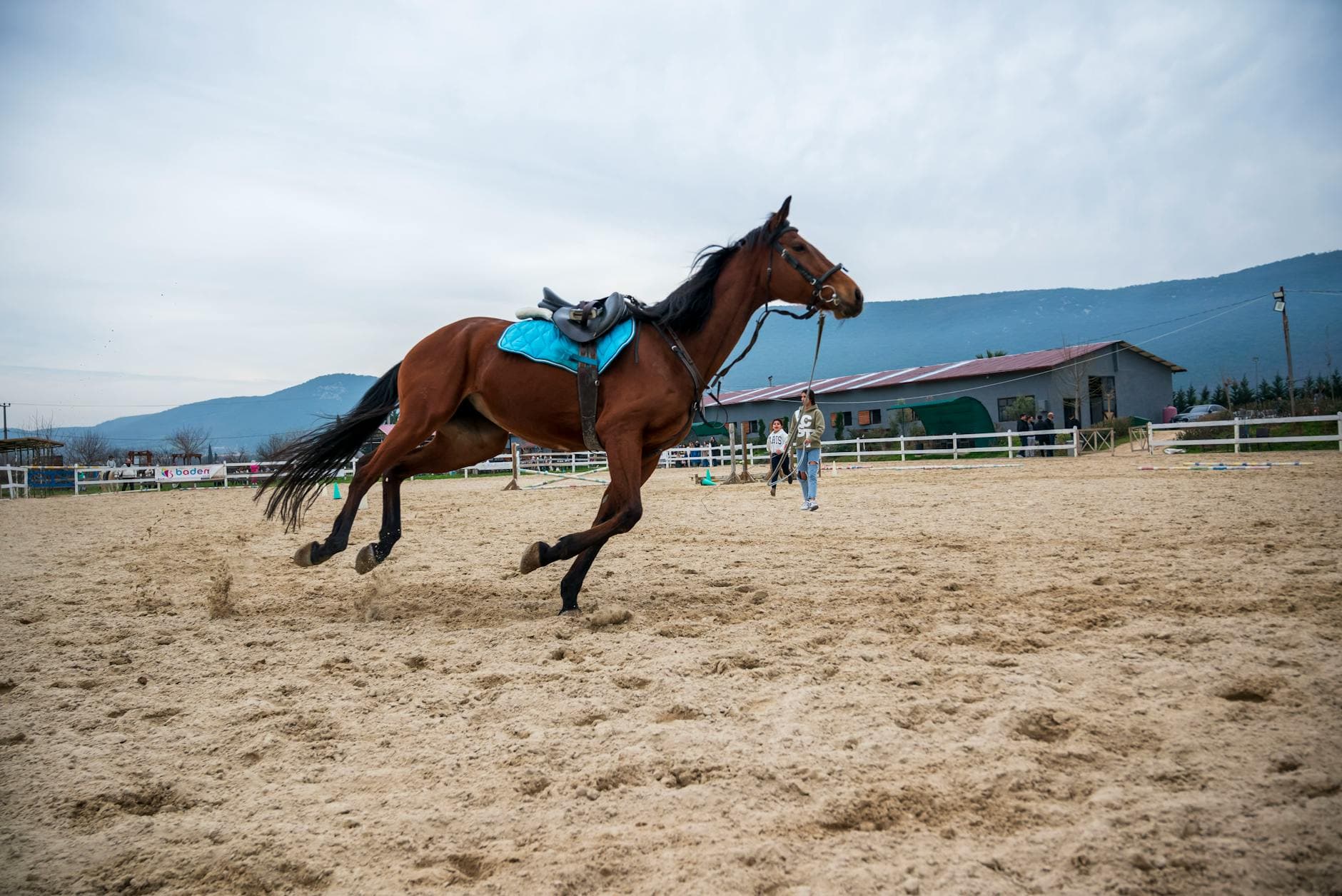
That changes how horsemen should think about the work tab. Training schedules, shipping plans and even when to send a horse from Santa Anita Park to Del Mar may need to account for air quality in the days leading up to a start, not just the forecast for race afternoon. For bettors, it adds another layer to handicapping: a sharp-looking horse coming off a stretch of smoky mornings may not be as fast as the raw form line suggests.
The issue is no longer theoretical in California. The California Horse Racing Board’s safety materials now explicitly list air quality among the conditions officials monitor, and its inclement-weather policy, amended in April 2023, says decisions should err on the side of caution to protect equine athletes and riders. With wildfire smoke becoming a recurring feature across Western racing circuits, the California data now look less like an isolated study and more like a warning light for the sport. A 2024 review in PMC said only two studies have tried to characterize the relationship between ambient air pollution and Thoroughbred race speed, which makes this work a small sample, but an important one, for trainers and track operators who want the edge before the gate opens.
This article was produced by Prism’s automated news system from verified source data, official records, and press releases, then run through automated quality and moderation checks before publishing. The system is built and supervised by the people who set the standards it runs under. Read our full AI policy.
Did this article answer your question?