Tampa Bay Downs Launches High Rollers Handicapping Contest with $20,000 Top Prize
A deep dive into Tampa Bay Downs’ new High Rollers Handicapping Contest, its $20,000 top prize structure, wagering rules, stakes day dynamics, and implications for bettors and the racing industry.

1. Contest overview and headline mechanics
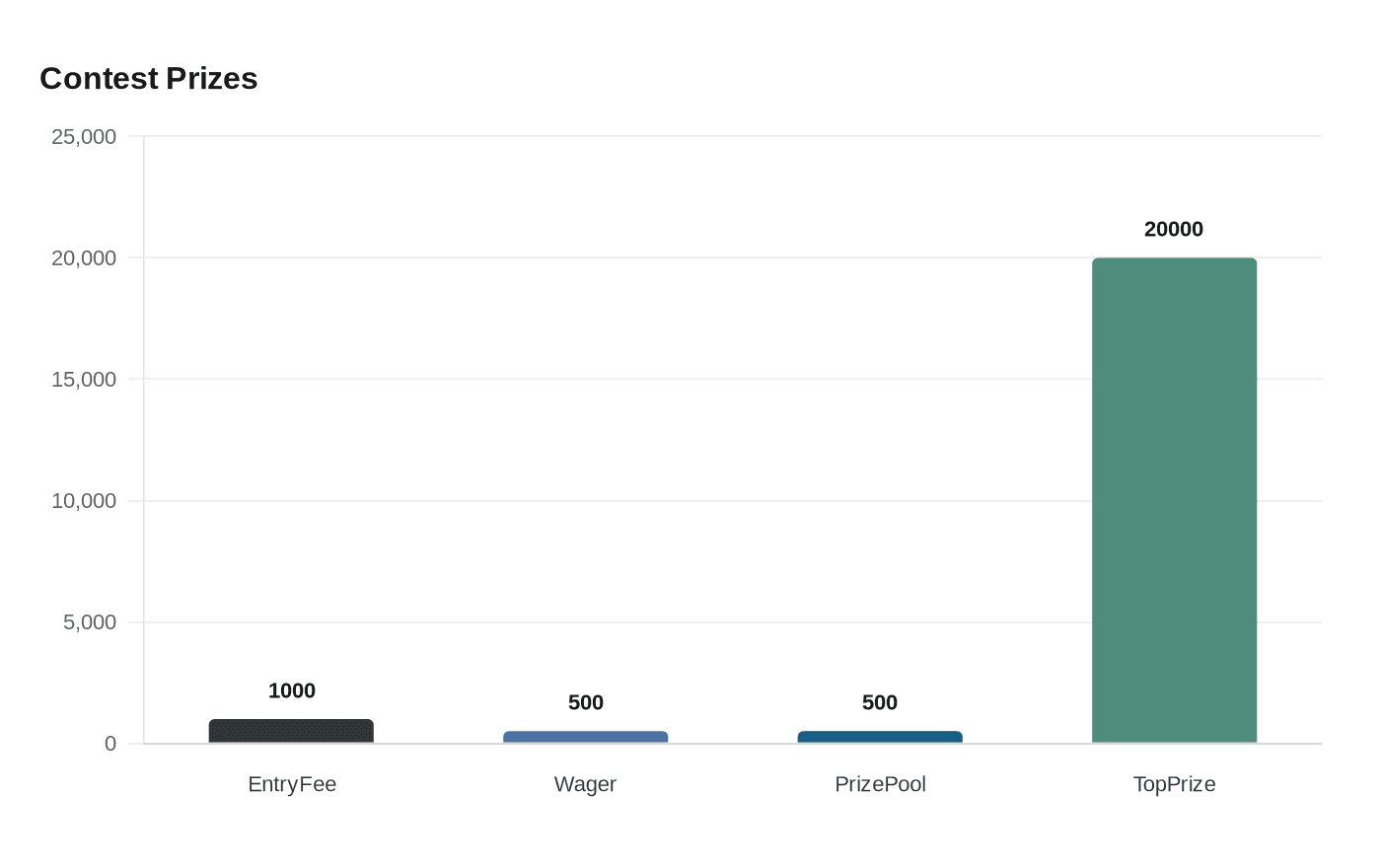
Tampa Bay Downs rolled out the High Rollers Handicapping Contest for Skyway Festival Day, offering a high-stakes, single-day competition designed to attract serious bettors. Entrants paid $1,000 each, with the format splitting that fee into a $500 wagering bankroll to be used on-track and $500 directed into the prize pool; the announced top prize was $20,000, based on a field of 100 entries. The structure blends traditional handicapping skill with live pari‑mutuel volatility, positioning the event as both a contest of brains and nerve.
2. Prize math and what $20,000 really means
The $20,000 top prize was explicitly tied to a 100-entry field, illustrating how the purse scales with participation: half of each entry ($500) funds the prize pool. That makes the top prize substantial but also contingent on hitting the projected entry count, creating a built-in incentive for the track to market aggressively. For players, the guaranteed headline number signals attractive upside, but bankroll-to-prize math also emphasizes the pressure to convert a modest wagering bankroll into outsized returns in a single card.
3. The $1,000 entry fee split: strategic implications
The 50/50 split between wagering bankroll and prize pool forces a particular style of play, contestants can’t bring outside money into the competition, so all scoring must come from the provided $500 tote bankroll. That design curbs external advantages, equalizes starting positions, and places a premium on aggressive, high-expected-value plays rather than conservative multi-race accumulation. It also creates an interesting bankroll-management puzzle: with limited funds, contestants must weigh playing favorites for consistency versus chasing longshots for leaderboard surges.
4. Jan. 19 stakes day: why three stakes matter for handicappers
Tampa Bay’s Jan. 19 card featured three stakes, the Pasco (7f, $125,000), Gasparilla (3-year-old fillies, $125,000), and Wayward Lass ($50,000), which together provided concentrated opportunities for large parimutuel payoff swings. Big-stakes races typically attract competitive fields and shifting tote pools, so a correctly-picked upset in one of those spots can catapult a contestant up the leaderboard. For handicappers, those stakes represent pivotal moments where bold ticket construction (exactas, trifectas, or high-dollar win bets) can pay off far more than dozens of safe plays on smaller races.
5. Contest rules and adjudication basics
The contest included a formal ruleset to govern wagering bankroll use and scoring, ensuring a level playing field for all entrants. While the detailed rulebook was part of the promotion, the key takeaway is that scoring relied on pari‑mutuel returns generated from the provided $500 bankroll, and prize distribution sprang from the pooled $500-per-entry fund. Clear adjudication and transparent tote reporting are essential in contests like this to preserve credibility and to avoid disputes over disputed bets or voided races.
6. Payout structure and payout certainty
Beyond the headline $20,000 top prize, the competition’s payout structure was organized from the pooled $500-per-entry prize fund; the top prize figure assumed full participation. This approach ties tournament payouts directly to turnout, so actual prize amounts can vary if entries fall short of expectations. For entrants, that introduces a community-driven element: recruiting more players not only deepens the field but also inflates prize potential, making sign-up momentum a shared interest.
7. VIP entrants and promotional tactics
Promotional details included special treatment for VIP entrants and registrants as part of the marketing package surrounding the contest. VIP perks typically aim to enhance the live experience, priority seating, exclusive hospitality, and access to enhanced data or mingling with turf personalities, but specifics in this promotion were presented as part of the contest materials. Using VIP tracks as promotional carrots helps the track sell higher-priced entries and builds social cachet around a marquee handicapping event.
8. Performance analysis: how contestants win and lose
Winning this format requires a blend of sharp form reading, judicious risk-taking, and smart ticket construction, especially in the three headline stakes. Contestants who lean too conservative with small wagers will struggle to climb a leaderboard when outsized payouts in a single race can dominate results; conversely, reckless ticketing can deplete the $500 bankroll before the stakes even run. The optimal player balances selective longshot exposure with coverage across key races, using exotic plays where expected value and tote overlays justify the leap.
9. Industry trends and business implications
High-stakes handicapping contests like Tampa Bay’s tap into a broader trend of experiential gambling and destination racetrack events, turning a card into an entertainment product that sells both wagering and hospitality. For tracks, contests drive on-track handle, attract media attention, and create sponsorship opportunities; for the betting public, they offer a gamified way to test skill against peers. If successful, this model could encourage more tracks to monetize handicapping culture, blurring the line between traditional racing days and festival-style betting spectacles.
10. Cultural and social implications for the racing community
These high-roller events elevate the social status of professional and semi-pro handicappers, reinforcing betting as an intellectual sport where reputation and bragging rights matter. But they also raise questions about accessibility: a $1,000 buy-in limits participation to deeper-pocketed bettors, potentially sidelining casual fans. Tracks must balance marquee events with inclusive offerings to maintain the sport’s grassroots base while cultivating a high-end competitive scene.
11. Practical takeaways for readers and bettors
If you’re considering a future High Rollers entry, treat the $500 tote bankroll as your tactical playground: prioritize key stakes, plan exotic allocations, and reserve enough funds to exploit late odds moves. Follow the card’s big races closely, those Pasco, Gasparilla, and Wayward Lass-type spots will decide leaderboards, and remember that recruiting other entrants can actually increase top prizes. Above all, approach the contest with a clear staking plan and the discipline to survive early variance so you’re positioned for the stakes that matter.
Final thought: Tampa Bay’s contest cleverly packages handicapping skill, high stakes, and live-event atmosphere into a one-day spectacle, bet smart, bet boldly, and remember that in handicapping contests, a single well-timed longshot can rewrite the leaderboard and the conversation around the sport.
This article was produced by Prism’s automated news system from verified source data, official records, and press releases, then run through automated quality and moderation checks before publishing. The system is built and supervised by the people who set the standards it runs under. Read our full AI policy.
Did this article answer your question?