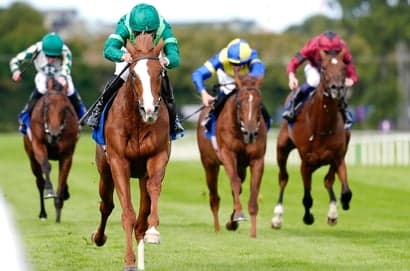
Thoroughbred Incentive Program spotlights second careers for retired racers
T.I.P. has turned retired Thoroughbreds into measurable aftercare wins, with 89,000-plus horses in the system and more than 12,000 events proving the demand is real.
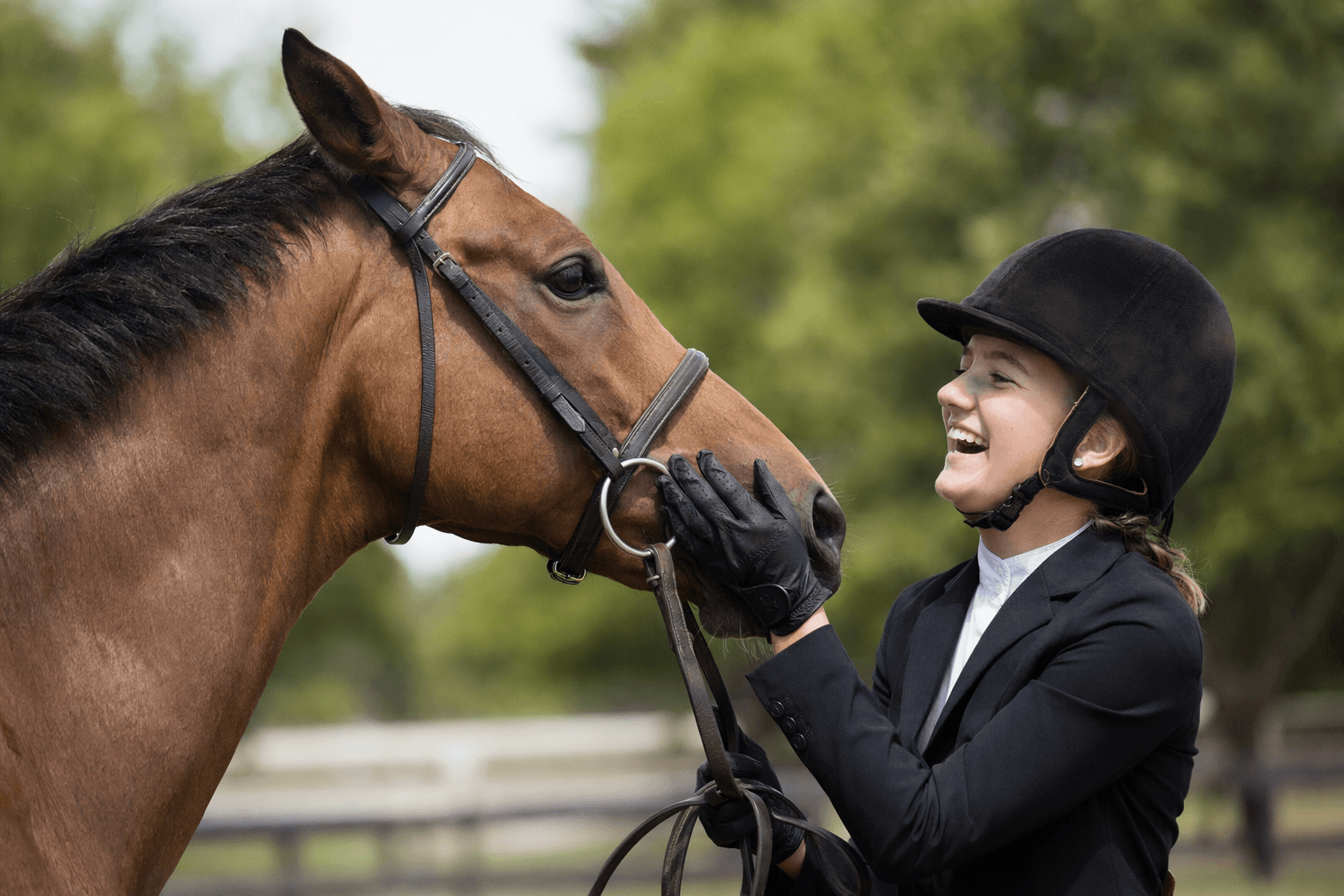
The aftercare case is now built on numbers, not sentiment
The Thoroughbred Incentive Program has become one of racing’s clearest proof points that a horse’s value does not stop at the finish line. By the end of 2024, the program had been involved in more than 12,000 horse shows and events, with more than 89,000 eligible Thoroughbreds participating across 53 states and Canadian provinces. That scale matters because it turns retirement talk into something the sport can measure, market, and defend.

T.I.P. was launched by The Jockey Club in 2011 to encourage retraining of Thoroughbreds after their racing or breeding careers end, and its first event was held at Red Hills International Horse Trial in Florida on March 8, 2012. From the start, the point was not just to hand out ribbons. The program was designed to recognize the horses and the people around them, including owners, riders, trainers, and organizations that help Thoroughbreds find productive second careers.
Why T.I.P. matters to racing’s credibility
The strongest argument for T.I.P. is not sentimental. It is practical. Racing spends plenty of time defending itself on welfare, but this program gives the industry visible, countable outcomes: horse shows entered, horses eligible, disciplines covered, riders involved, and championships staged. That is the kind of evidence that carries weight with owners deciding whether to retire a horse responsibly, breeders thinking long-term, and a public that wants proof the sport has an aftercare structure.
The program also changes the economics of second careers. When a Thoroughbred can be recognized in new arenas, demand does not vanish when the horse leaves the track. It shifts into sport-horse and recreational spaces, which helps support retraining and gives barns a reason to keep investing in horses with athletic engines and versatile minds.
The scope of the program keeps widening
The latest milestone is not just about volume, but about reach. In 2025, more than 1,500 sponsored horse shows were approved for T.I.P. awards in 40 states and five Canadian provinces. That tells you the program has moved well beyond a niche retraining project. It now functions as a wide network for retired Thoroughbreds, connecting them to competition and recognition across North America.
T.I.P. also makes room for multiple types of participation. It offers incentives for competition horses, recreational horses, young riders, and Thoroughbreds in non-competitive second careers. That breadth is important because not every retired runner ends up in the same lane. Some become show horses, some become lesson horses, some go into therapy or public-service work, and some stay in the broader sport ecosystem without ever chasing a title.
Where Thoroughbreds are showing up next
The program recognizes a wide spread of disciplines, including eventing, dressage, Western and English pleasure, hunter/jumper, endurance, polo-related awards, show jumping, hunter classes, and other sport-horse arenas. That spread is the quiet story inside the headline number. A Thoroughbred that once raced in front of a crowd can end up winning in a ring, crossing country in eventing, or collecting points in a discipline where calmness and adaptability matter just as much as speed.
The practical significance is bigger than a trophy shelf. Every discipline T.I.P. touches creates another lane for retired Thoroughbreds to stay visible, useful, and financially relevant. That is how aftercare stops being a talking point and becomes part of the breed’s business model.
The championship stage gives the program a public face
The T.I.P. Championships help show what the program looks like at its most organized. The 2024 championships drew 206 Thoroughbreds and 210 riders, a solid reminder that there is real participation behind the branding. The 2025 championships were scheduled at Stable View in Aiken, South Carolina, giving the program a high-profile site to keep its best horses and riders in front of the sport.
That championship structure matters because it pulls everything together. It gives owners a target, riders a season goal, and the broader racing industry a public demonstration that retired Thoroughbreds are not disappearing into a black box. They are still competing, still being tracked, and still generating visible outcomes.
T.I.P. is also investing in people, not just horses
One of the smarter parts of the program is that it recognizes the ecosystem around the horse. The Thoroughbred of the Year Award honors a Thoroughbred in a non-competitive career, such as equine-assisted therapy or police work, and includes a $5,000 grant. That is a useful reminder that second careers do not always happen in a show ring; some of the most meaningful jobs are the ones that serve people directly.
The Young Rider of the Year Award is built for riders 18 or under as of January 1 of the award year and totals $5,000 annually. That award does two things at once. It creates a pipeline for younger horsemen and horsewomen, and it keeps Thoroughbreds visible in the hands of the next generation. The program’s Youth Ambassador Program is listed as on hiatus, which suggests some parts of the initiative have been paused even as the core awards and recognition model continues.
The money trail backs up the message
T.I.P. is not standing alone. The Jockey Club reported more than $1.5 million in aftercare investments in 2024, including support for the Thoroughbred Aftercare Alliance and T.I.P. That context matters because it shows aftercare is no longer being treated as a side project. It is part of the sport’s larger infrastructure, alongside other industry growth efforts.
That is the real significance of the latest T.I.P. milestone. It is not just that the program has grown. It is that the sport now has a credible, organized way to show what happens after the track, and the numbers are getting harder to ignore. More than 89,000 eligible Thoroughbreds have already passed through the system, more than 12,000 events have carried the program forward, and the demand for second careers continues to widen. For racing, that is more than good optics. It is proof that the lifecycle of a Thoroughbred can still produce value long after the final start.
Know something we missed? Have a correction or additional information?
Submit a Tip