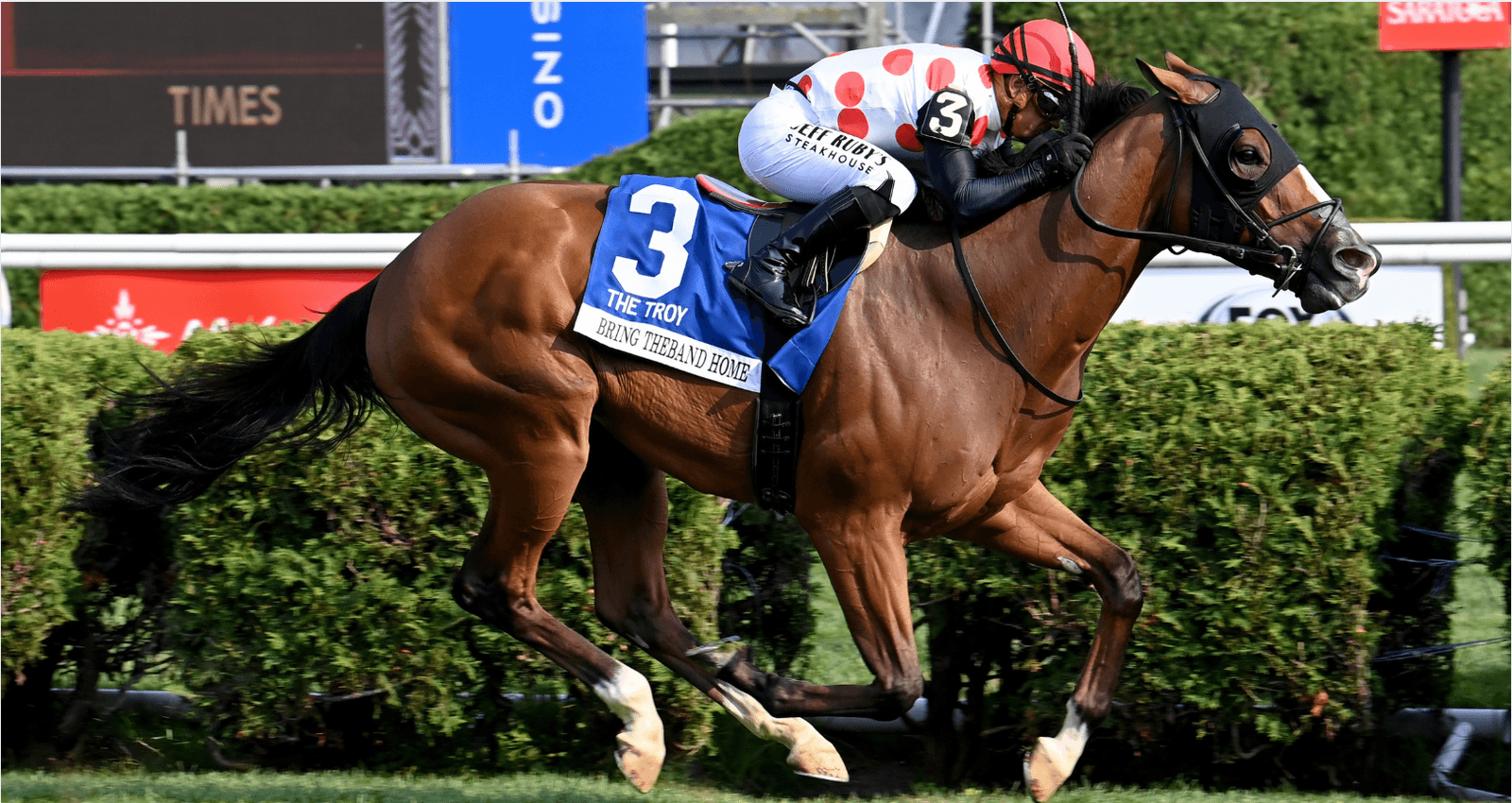
Turf vs. Dirt Racing: Key Differences Every Handicapper Should Know
Dirt rewards early speed, turf rewards a late kick — and knowing which surface suits a horse can be the sharpest edge in your handicapping toolkit.
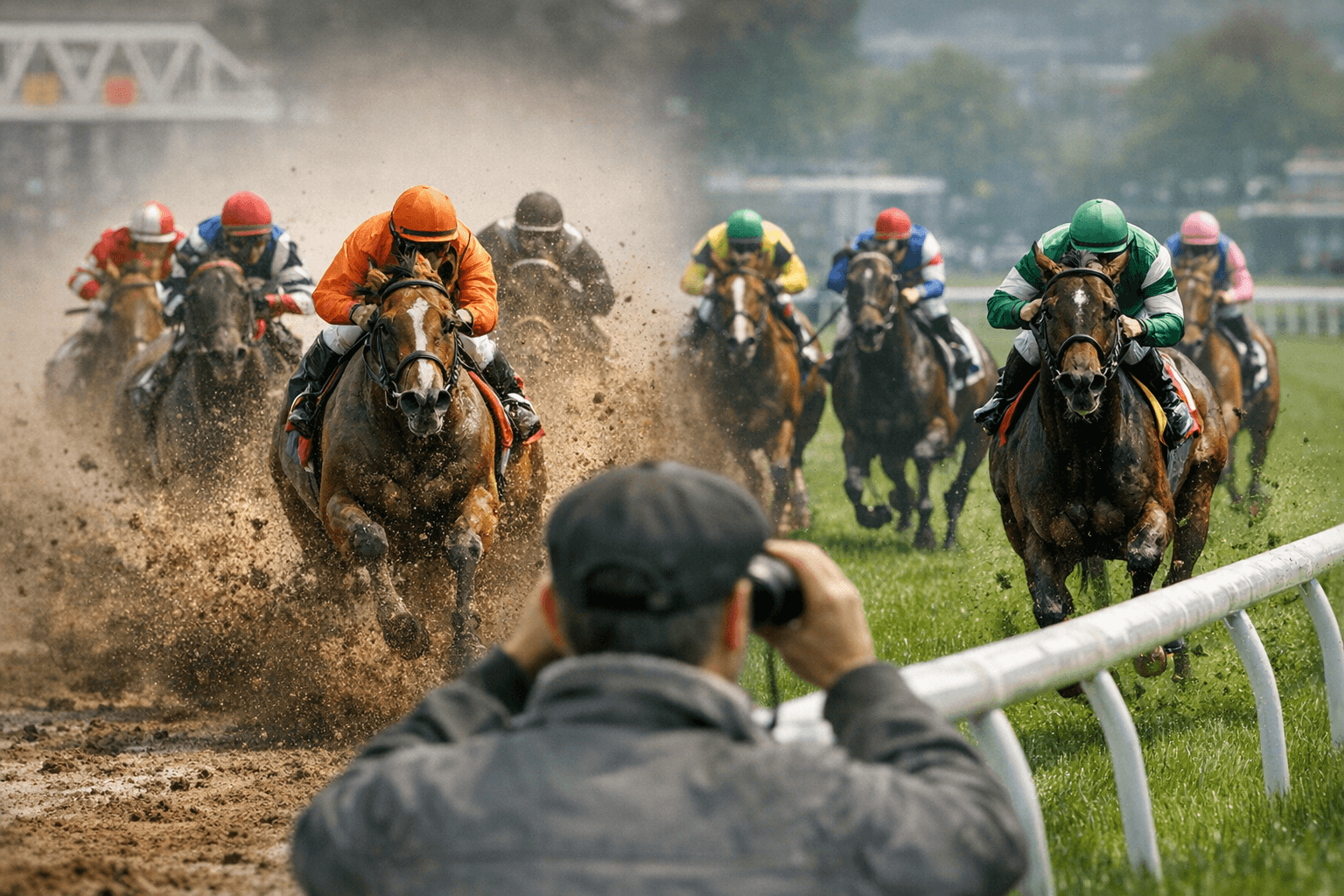
The surface beneath a horse's hooves shapes everything: pace, position, running style, and the very type of athlete most likely to win. Dirt races tend to have the fastest pace, while turf racing often comes down to a sprint in the stretch. That single distinction ripples through every element of your handicapping, from how you read a pace figure to how much you trust a horse switching surfaces for the first time.
The Dirt Track: Speed, Power, and Position
Unlike in Europe, where the best horse racing takes place on grass, North America counts dirt as its primary racing surface. Dirt tracks have been around for centuries, and all three Triple Crown races (the Kentucky Derby, Preakness Stakes, and Belmont Stakes) are contested on dirt. That history has shaped the entire American breeding and training industry around a specific athletic profile.
Dirt encourages explosive acceleration and favors horses with powerful hind ends and quick action. Dirt races are often won by tactical speed; horses that like to be involved early and can maintain pace tend to fare best. This is not a surface where you can afford to give away position and hope to close from far back. As a general rule, early speed is an asset in dirt racing, and pace players enjoy an advantage over stretch-running rivals.
Dirt tracks are typically a blend of sand, silt, and clay, and the proportions can differ from track to track, which can affect how the surface feels and plays. That variability matters enormously for handicappers. The dirt track at Emerald Downs, for example, is much faster than the dirt track at Oaklawn Park. Raw clockings can mislead you badly unless you account for those differences; tools like Brisnet Speed ratings are specifically designed to compensate for the varying speeds between venues.
Weather complicates the picture further. Rainfall has a significant impact on dirt tracks and can reduce conditions from fast (the standard dry track) to good, sloppy, or muddy. Horses that are not at the front of a race get a lot of mud kicked back into their faces, and some horses really don't like that and won't try as a result. Past performances broken down by track condition — fast, good, sloppy, muddy — will reveal whether a horse has a meaningful preference or allergy to wet going.
The Turf Course: Tactics, Timing, and a Late Kick
Turf racing is prominent in Europe, where it has long been the surface of choice for historic racecourses in England, Ireland, and France. Turf racing also gained popularity in the U.S. during the 1950s and 1960s, and many tracks installed grass courses inside main dirt tracks. Today, turf tracks account for roughly 20% of race tracks in North America but are the most prominent kind in countries such as Australia, the United Kingdom, and France.
Turf routes, held over one mile or farther, have a tendency to unfold at a slower early pace, followed by a rapid sprint to the finish line. Whereas early speed is a significant advantage on dirt, turf races are often won by the horse who can sprint the fastest over the final quarter-mile. Turf allows smooth extension of the stride and steady balance around turns, which is why horses with a fluid, efficient action tend to thrive on grass even if they can't match the raw acceleration of top dirt horses.
Turf tracks, with their softer nature, offer increased cushioning for a horse's legs, which can potentially mitigate the risk of injury by reducing the impact stress on the horse's limbs. The safety data reinforces this: according to The Jockey Club's Equine Injury Database, dirt tracks recorded 1.44 fatalities per 1,000 starts in 2022, compared to 0.99 on turf.
Weather is turf's greatest wild card. Turf surfaces are the most affected by changes in the weather, and many turf horses will have a strong preference for a specific type of going. When the moisture level rises, resistance increases and stride mechanics change, meaning horses that rely on a burst of speed may struggle, while those with stamina and balance find an advantage. Many times a horse that doesn't perform well on the turf in Europe, where it rains often, does better on American grass surfaces, particularly in California, where it seldom rains.
Pedigree: The Clearest Pre-Race Signal
Before a horse has a single grass start on its record, pedigree is your most reliable guide. Bloodlines known for producing turf runners tend to perform well on grass, while dirt-oriented pedigrees are often linked to early speed and robustness. Turf-oriented sires like Kitten's Joy, Galileo, War Front, and English Channel often produce horses that excel on grass, and horses with European influence or longer-bodied frames may also point to turf ability. On the dirt side, sires known for precocity and power, such as Into Mischief, Quality Road, and Gun Runner, produce horses with fast, aggressive running styles.
That said, genuinely versatile horses exist. Dual surface horses that can race and win over both dirt and turf are occasionally found, as both Yoshida and Catholic Boy demonstrated. And history offers a more striking example: future Hall of Famer Manila lost three of his first four starts on dirt, then switched to turf and won 11 of his last 14 starts, including the 1986 Breeders' Cup Turf.
Running Style and Jockey Strategy
The tactical requirements on each surface demand very different decisions from the saddle. Turf racing tends to be more tactical at the beginning of a race, with jockeys looking to position themselves well for the late move. Dirt races aren't usually as focused on the early portion and can feature more aggressive moves and more speed.
If speed is of paramount importance in dirt races, the jockey assumes that importance in a turf race. Turf races are all about saving ground and being ready to strike and sprint in the final moments, which requires controlled movement and precise timing. When handicapping a turf race, check a jockey's surface-specific win percentage, not just their overall record. Some jockeys are better suited to turf than dirt and vice versa, so make sure their win percentage on the surface is reasonable and that they know how to handle horses effectively in that environment.
Handicapping Surface Switches
Surface changes are among the highest-leverage situations a handicapper can identify. When a horse transitions from one surface to another, the impact on their performance can be substantial. Most often a switch happens because a horse isn't reaching its potential and a trainer believes a surface change could have an impact.
Two-time Horse of the Year Curlin was almost unstoppable on dirt but was beaten when trying turf in the 2008 Man o' War and when tackling synthetic in the 2008 Breeders' Cup Classic. Since horses who perform equally well across all surfaces are uncommon, if a horse has shown strong form over one surface, it can pay to be skeptical of their chances when transitioning to an unfamiliar one.
Several specific checklist items sharpen your analysis whenever a surface switch appears:
- Past turf or dirt lines: A horse with strong turf figures but weak dirt efforts is telling you that it prefers the grass. Don't dismiss those buried turf lines buried in a past-performance line.
- Trainer tendencies: Some barns excel with turf runners while others specialize in dirt speed, and many trainers have predictable patterns when moving horses between surfaces that often repeat.
- Trip notes: Trip notes in past performances contain valuable information. Horses that struggle with kickback on dirt may run better when placed outside rivals or on another surface, and turf runners forced wide on both turns often have better performances than their results suggest.
- Speed figure adjustments: A horse may appear to run a faster or slower time as it transitions between surfaces, and it may have nothing to do with their performance and everything to do with surface speeds.
Course Design and Intra-Meet Conditions
Track configuration amplifies the differences between surfaces. Long sweeping turns on turf can benefit runners with a sustained kick, while tighter dirt turns favor tactical speed. Inner turf tracks with tighter turns reward horses that can save ground and accelerate quickly, while outer turf courses with longer straights favor runners who build momentum.
Conditions also evolve as a race card progresses. Throughout a meet, turf lanes experience wear, and turf crews rotate rails to allow worn sections to recover; bettors who track these changes can anticipate how the course will play on any given day. On dirt, bettors who watch how horses travel early in the card can identify patterns that continue throughout the day, whether a speed-favoring bias is developing on the inside or whether closers are getting a fairer shake as the card wears on.
The handicapper who treats the surface as a fixed background detail is leaving one of the game's most consistent edges on the table. Dirt punishes passivity; turf punishes impatience. Understanding which arena you're playing in before you even open the past performances is where a well-constructed ticket begins.
This article was produced by Prism’s automated news system from verified source data, official records, and press releases, then run through automated quality and moderation checks before publishing. The system is built and supervised by the people who set the standards it runs under. Read our full AI policy.
Did this article answer your question?