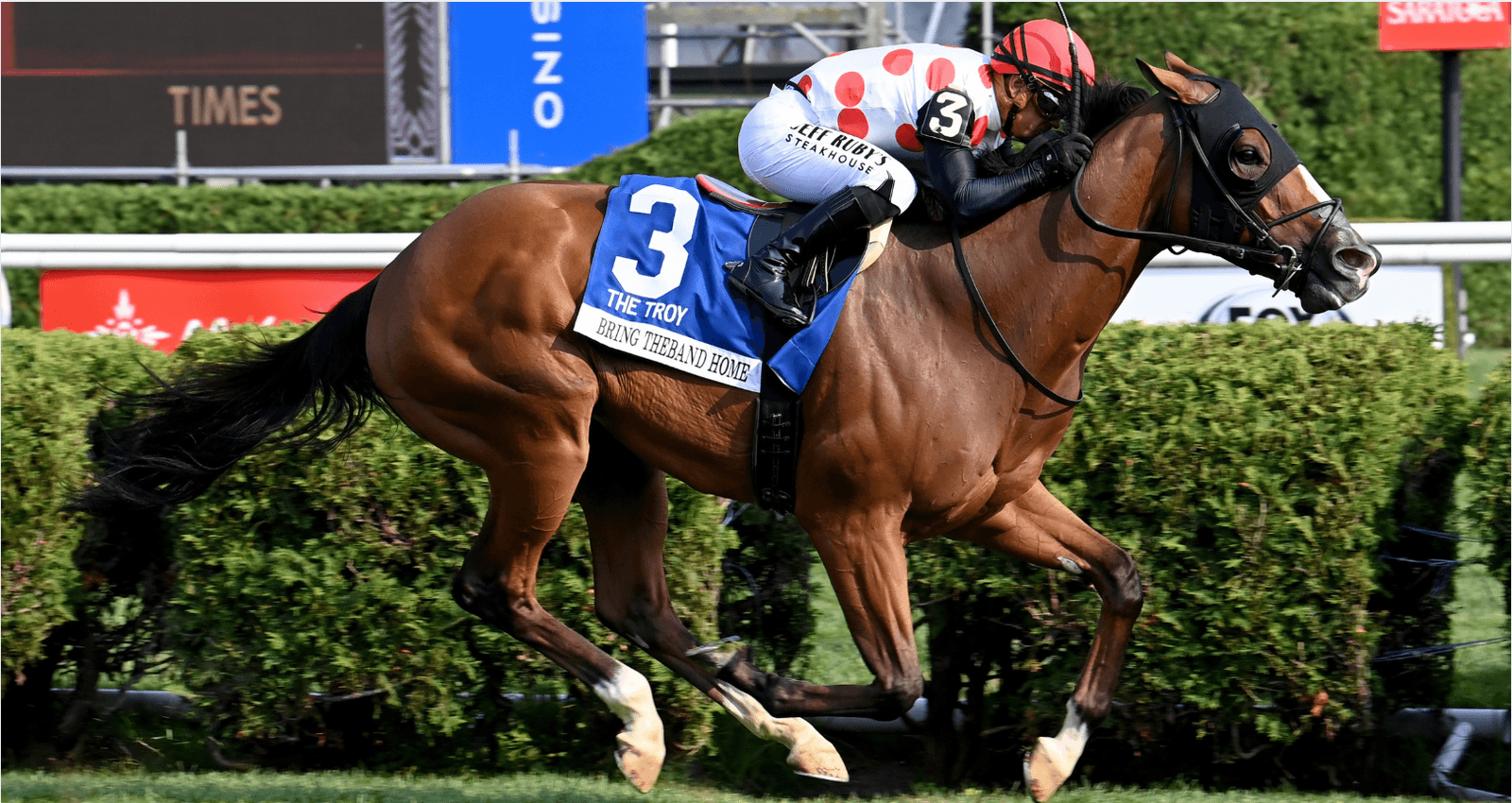
UK Green Party Manifesto Targets Horse Racing With Proposed Ban
The Green Party voted at its Manchester conference to immediately ban greyhound racing and the whip in horse racing, threatening a £3.4bn industry with 17,000 jobs.
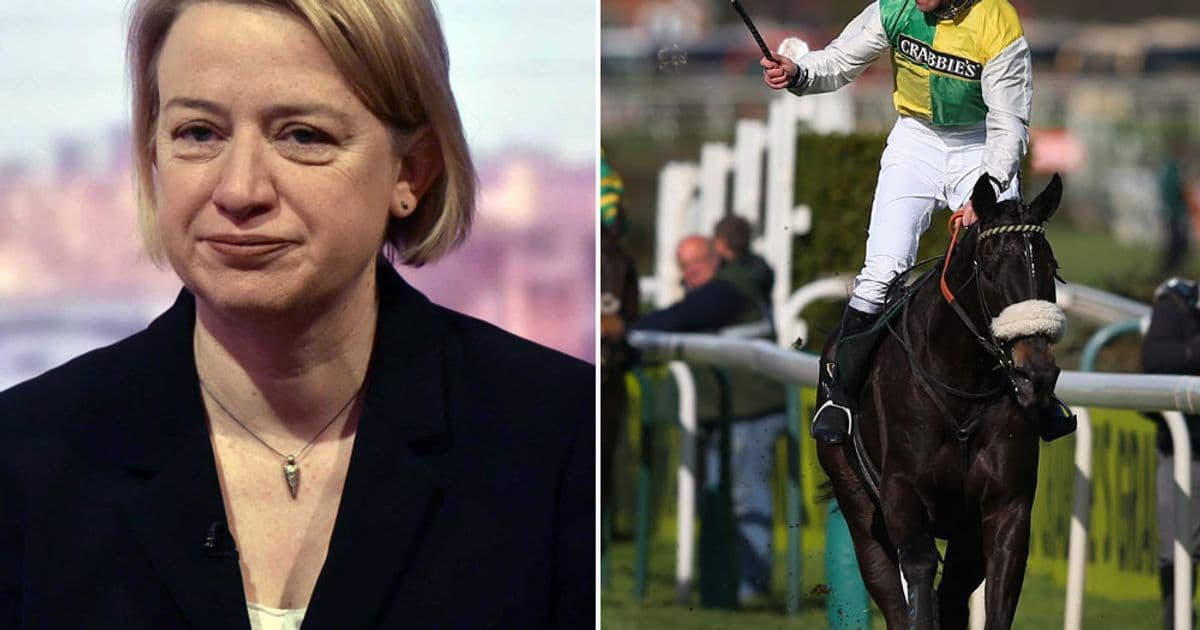
Green delegates in Manchester voted on September 8, 2024 to support an immediate ban on greyhound racing and the use of the whip in horse racing, a move that put the party on a collision course with a British racing industry worth £3.4 billion to the economy and employing 17,000 people full-time.
The conference vote hardened what had begun, more than a decade earlier, as a proposal to review the sports. Then-party leader Natalie Bennett told the BBC's Andrew Marr show that the Greens would conduct "a complete review of all horse and greyhound racing" and did not rule out a complete ban. That position has since calcified into formal policy. The party's current policy AR428 states plainly: "The Green Party will end the exploitation of animals in horse racing, greyhound racing and all situations where animals are commercially raced."
Co-leader Adrian Ramsay framed the Manchester vote in moral and public-health terms. "We are the first party to pledge to ban greyhound racing, a position supported by the RSPCA, Dog's Trust, Blue Cross, and a majority of the public," he said. "Preventing greyhounds from being raced for the benefit of the betting industry and commercial gain would bring an end to the unnecessary deaths and suffering of these dogs." He added that approximately 200 horses die every year from horse racing and that banning the whip was "a basic step for animal welfare," while noting the measures would also help reduce harm caused by problem gambling.
Beyond the whip ban and the greyhound prohibition, the conference backed a high compulsory levy on all betting, to be used solely for welfare improvements, and a single regulatory authority to enforce animal welfare standards across both industries. Policy AR428 goes further still, calling for full traceability of all animals involved in racing throughout their lives using microchip technology, mandatory publication of injury and death statistics, the closure of dangerous tracks, and the banning of trainers with poor welfare records.
The British Horse Racing Authority responded with measured defiance. Robin Mounsey said the BHA welcomed scrutiny of racing's equine welfare policies and would be "happy to demonstrate the high welfare standards that exist within British racing." He added: "Among an equine population estimated to be around one million in Britain, racehorses are among the healthiest and best looked after 2% of horses in the country."
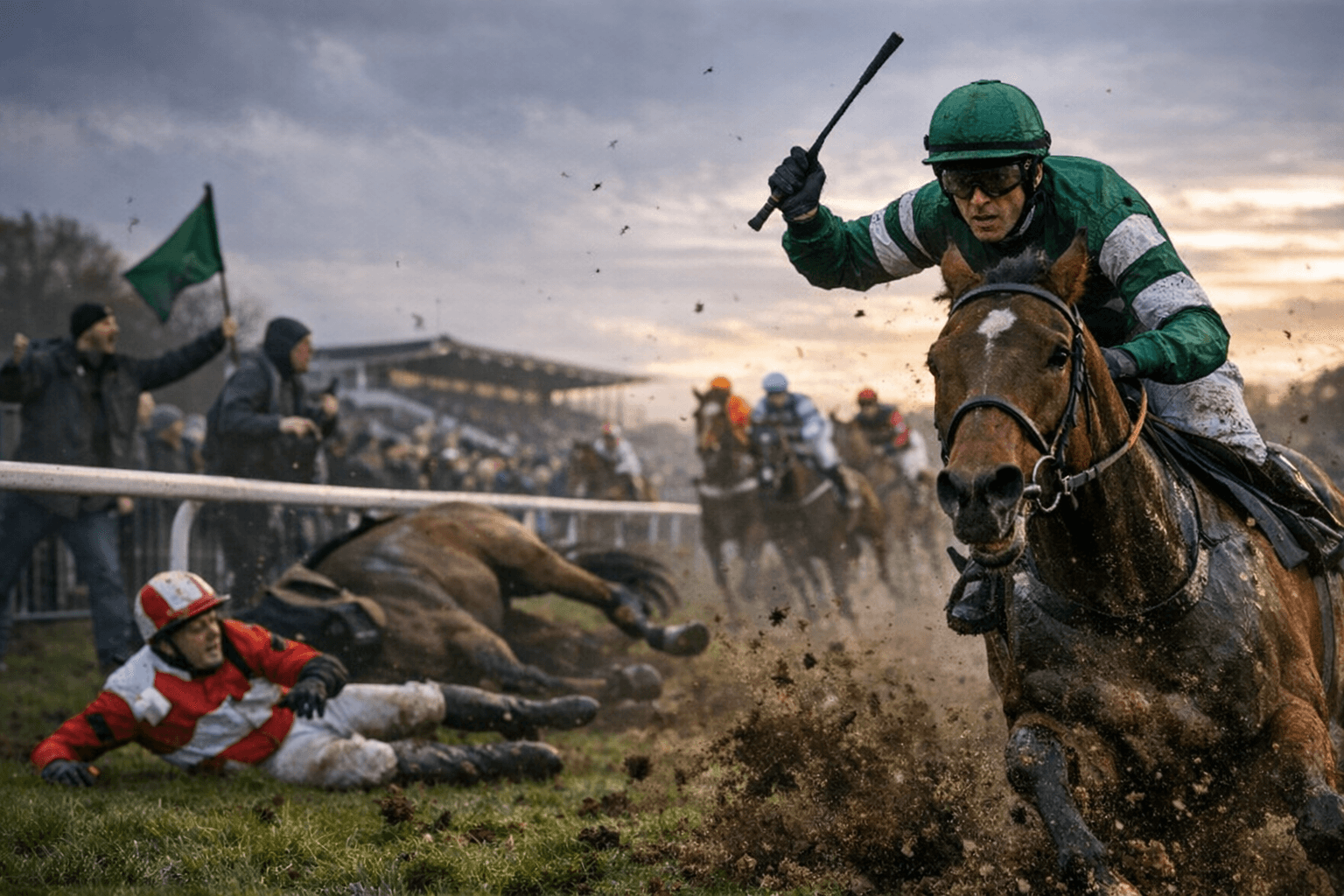
Political opponents were less restrained. Former Prime Minister David Cameron had previously described the British racing industry as a "massive success story." Former Labour spin doctor Damian Mcbride was more pointed, saying ahead of a Grand National: "This is surely proof that they are Maoist infiltrators hell-bent on destroying the British way of life."
Dissent surfaced within the party itself. David Mclean, standing for the Wales Green Party in Newport East, called any suggestion of a ban "ridiculous and inconceivable," arguing that a review would most likely recommend further welfare and safety improvements rather than outright prohibition. Ms Lucas, the Green parliamentary candidate for Brighton Pavilion, said the priority was protecting the welfare of animals and jockeys and predicted the sports would be "around long after Natalie Bennett's political career has ended."
Practical questions around the policy remain unresolved. The AR428 text is partially truncated on breeding and import provisions, and the conference motion does not address jurisdictional limits: a UK ban would have no reach over Irish, French, or other international racing operations, nor over horses bred in Britain and exported to race abroad. Whether the policy extends to flat racing, show jumping, or dressage has not been publicly clarified by the party.
What is clear is the policy's trajectory. A decade ago it was a manifesto review pledge; today it is a conference-ratified commitment to end commercial animal racing, backed by specific enforcement mechanisms and the institutional support of three of Britain's largest animal welfare organizations.
This article was produced by Prism’s automated news system from verified source data, official records, and press releases, then run through automated quality and moderation checks before publishing. The system is built and supervised by the people who set the standards it runs under. Read our full AI policy.
Did this article answer your question?