UK researchers win $1.8 million to study equine health
UK landed more than $1.8 million to chase the horse-health problems that hit racing hardest: foal diarrhea, pneumonia, fertility and soundness.
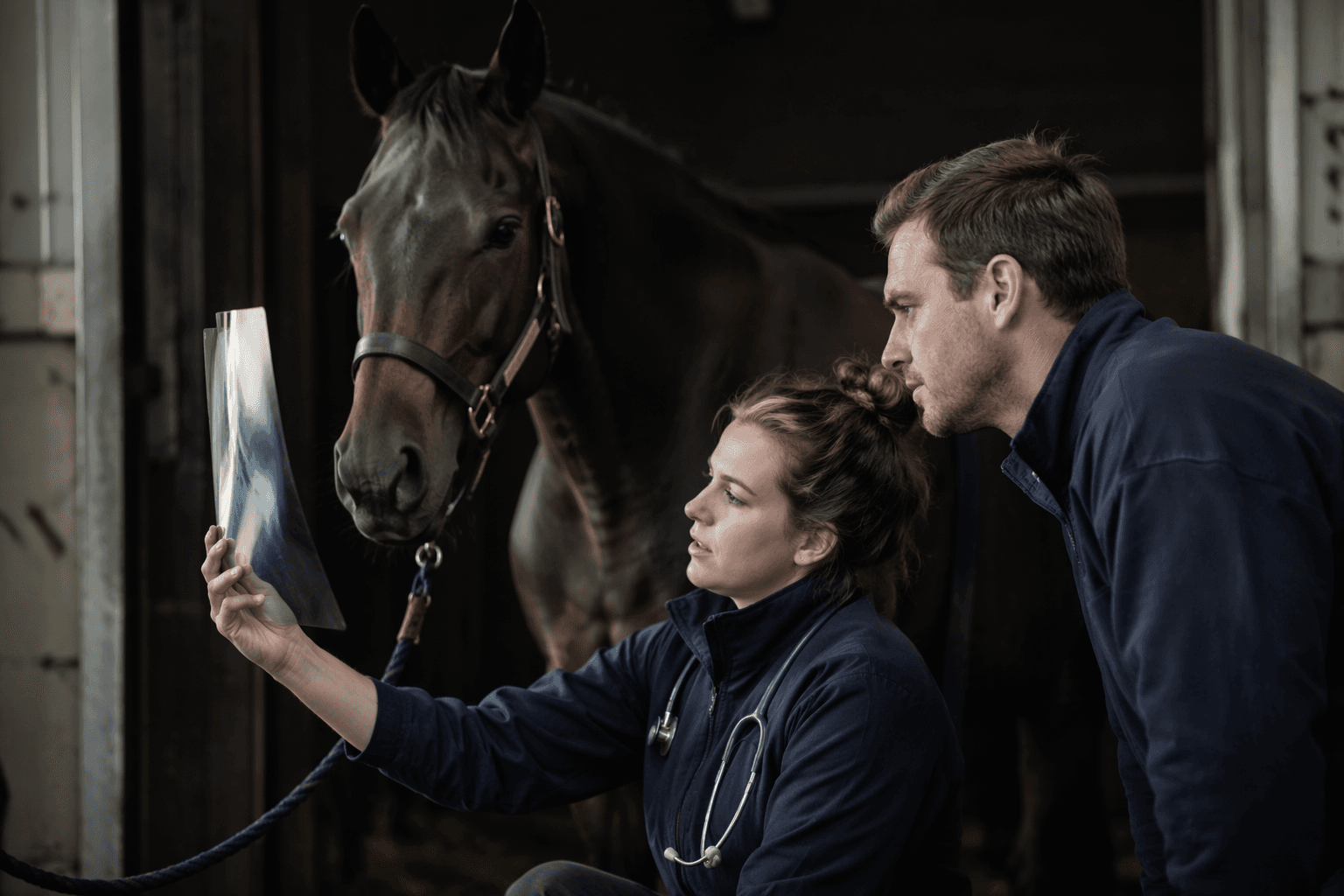
University of Kentucky researchers just got a fresh pile of federal money for the part of horse racing that usually gets noticed only when it goes wrong: keeping horses healthy enough to race, breed and stay sound. More than $1.8 million in USDA National Institute of Food and Agriculture awards will support UK projects in infectious disease, immunology, reproduction and musculoskeletal health, four areas that sit right at the center of the Thoroughbred business.
The grants, announced May 28, will back work led by Department of Veterinary Science faculty at the Martin-Gatton College of Agriculture, Food and Environment. James Matthews, the college’s associate dean for research, said the concentration of funded topics in one cycle was “highly unusual” and said it reflected the scope and worldwide impact of the work. For racing and breeding operations, that scope matters because these are not separate problems. Disease in a foal can turn into a training interruption. A reproductive setback can shrink a foal crop. A soundness issue can end a career before a horse ever reaches the gate.
Among the largest awards is a $650,000 project led by Feng Li on the antigenic and genetic diversity of equine rotaviruses. UK says equine rotavirus A is a major cause of severe diarrhea in foals under six months old and can become rapidly fatal if untreated. That makes the research more than an academic exercise. If the virus keeps changing, then vaccines, diagnostics and barn-level prevention have to keep up too. UK has already said the virus continues to evolve, and that mare antibodies and vaccination lower risk without eliminating breakthrough infections.
Another $300,000 project, led by Yosra Helmy, will study non-antibiotic treatments for subclinical Rhodococcus equi pneumonia in foals. That is the kind of problem that can quietly disrupt an entire stable before it ever shows up on a racetrack. Foals that start out compromised need more veterinary attention, more time, and more money before they are ready for the sales ring or the training shed.
The broader portfolio also includes studies on how joint corticosteroid injections affect vaccine protection, how anti-inflammatory drug use relates to chronic musculoskeletal inflammation, and a biological signal tied to early pregnancy maintenance in mares. That mix gets at the real engine of the sport: fertility, durability and long-term athletic health. UK’s Maxwell H. Gluck Equine Research Center said it is the only scientific institute in the United States with nearly all faculty doing full-time research in equine health and diseases, which helps explain why Lexington keeps showing up in the middle of the sport’s most important health questions.
UK’s earlier work on rotavirus adds another reason this grant matters. The university identified a novel Equine Rotavirus Group B in 2021, and it has said a Group A vaccine for mares introduced in the early 1990s made neonatal disease uncommon while not ending later foal cases. In other words, the easy wins have already been taken. What remains is the tougher work, the kind that can decide whether a foal stays on schedule, whether a breeder gets a live, healthy crop, and whether a racehorse stays in training long enough to matter.
This article was produced by Prism’s automated news system from verified source data, official records, and press releases, then run through automated quality and moderation checks before publishing. The system is built and supervised by the people who set the standards it runs under. Read our full AI policy.
Know something we missed? Have a correction or additional information?
Submit a Tip