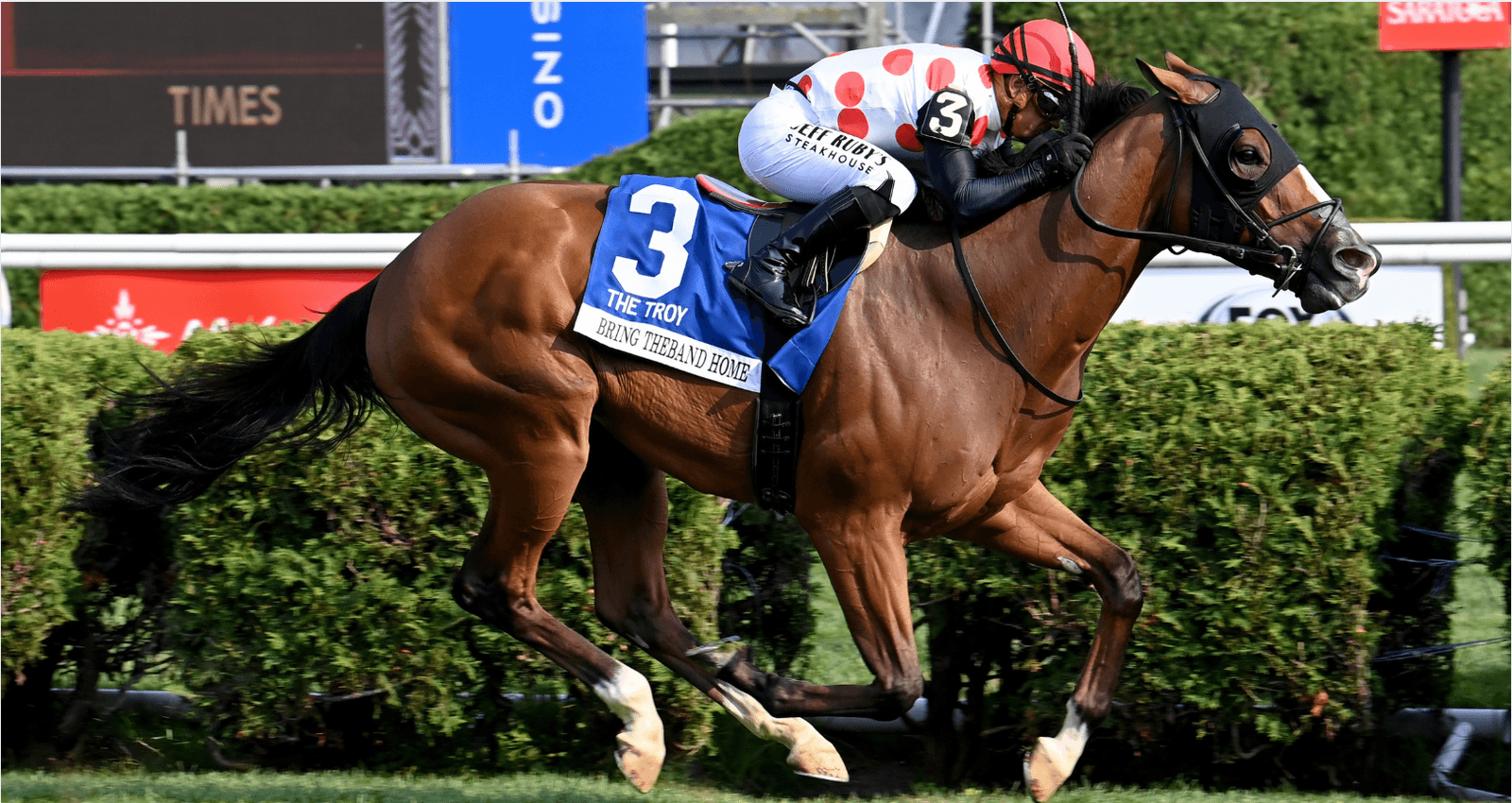
Victorian Formestane Doping Scandal Costs Owners Prizemoney, 12-Month Bans, Breeding Value
RASL and the Australian Racing Forensic Laboratory detected Formestane and two metabolites in Victorian samples; owners face lost prizemoney, 12-month bans and plunging breeding value.
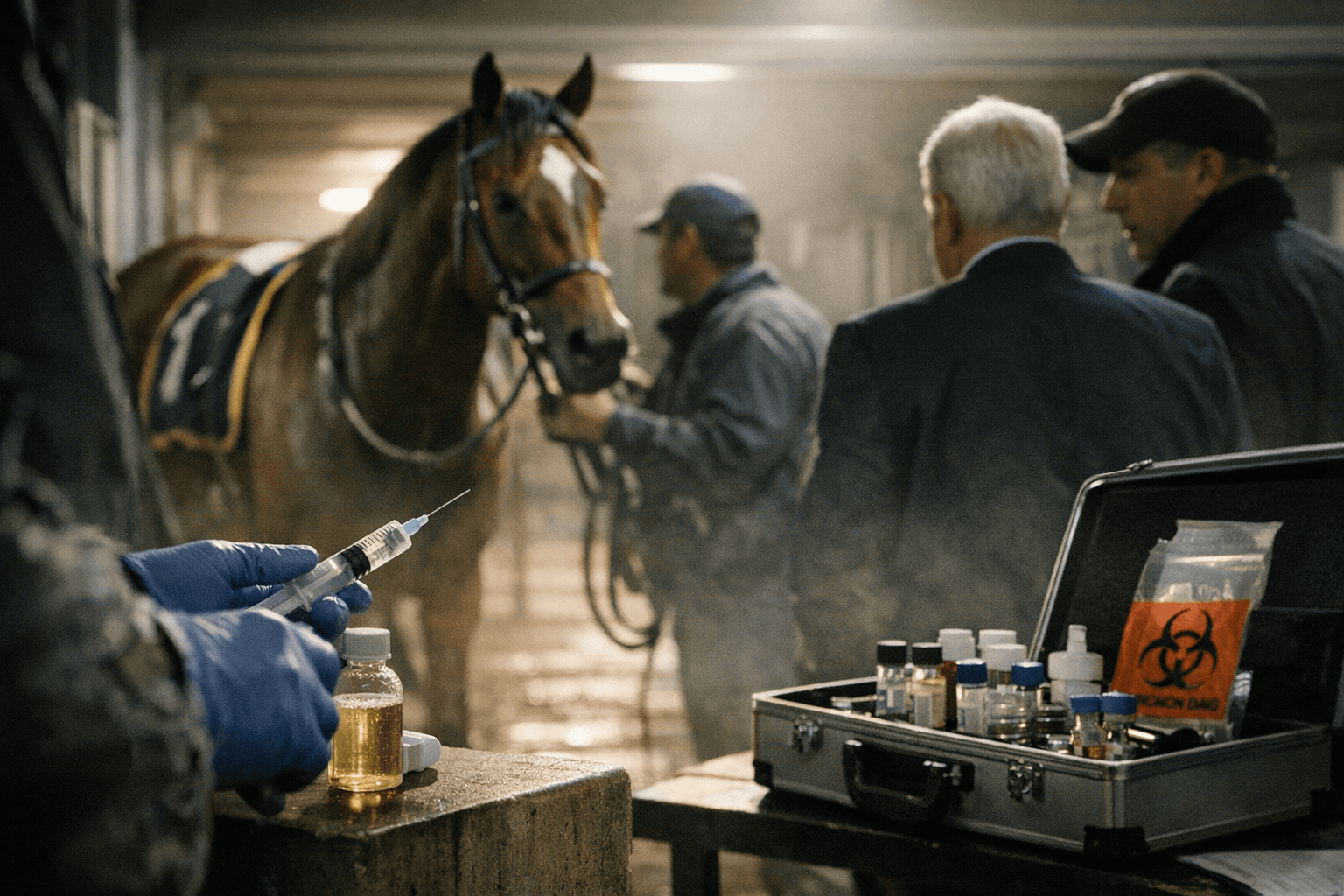
Laboratory testing has turned into a crisis for Victorian racing after RASL and the Australian Racing Forensic Laboratory detected Formestane and two metabolites in urine samples, triggering disqualifications that threaten owners with lost prizemoney, 12-month bans and sharp drops in breeding value. Racing Victoria has said more samples continue to test positive, disrupting Victorian racing, and the controversy now spans multiple stables and tribunal hearings.
RASL reported that the urine sample was shown to contain Formestane and its metabolite, 4‑Hydroxytestosterone, and 6a‑hydroxyandrost‑4‑ene 3, 17‑dione, which are prohibited substances in accordance with the Australian Rules of Racing. The Australian Racing Forensic Laboratory (ARFL) also reported that it had detected Formestane and its metabolite, 4‑Hydroxytestosterone, and 6a‑Hydroxyandrost‑4‑ene3, 17‑dione within the reserve portion of the urine sample. Racing Victoria’s technical statement classifies Formestane as an aromatase inhibitor and an anti‑estrogenic substance, and describes 4‑Hydroxytestosterone as a derivative of testosterone classified as an anabolic steroid.
Scope and counts remain unsettled. One source states, “The saga involves 24 stables with positives traced to RASL lab.” Racing Victoria and stewards have identified a smaller, but growing, cluster in Victoria: “So far, seven Victorian stables are facing similar charges for presenting horses to race with the banned substance Formestane and its metabolites, including a synthetic anabolic steroid 4‑Hydroxytestosterone, in their systems.” At least four other Victorian stables have been notified of positives but are yet to be charged, and a trainer in South Australia has also returned a positive. The relationship between the 24‑stable figure and the Betsy/Racing Victoria tallies has not been clarified and requires follow up.
The legal fight has been protracted. Racing Victoria laid the first charges in April 2024 when it announced it would attempt to prosecute Mark Kavanagh, Levi Kavanagh, Amy Yargi, Ash Yargi, Symon Wilde, Julius Sandhu and Smiley Chan for breaches of the rules. Patrick Payne was charged in February 2025, while Tom Dabernig was the latest trainer to be charged in mid‑December. A five‑day Victorian Racing Tribunal hearing in December ended with an agreement between RV’s legal counsel and Damian Sheales, representing the trainers; “The agreement, which was arrived at between RV’s legal counsel and Damian Sheales, representing the trainers, came at the end of a five‑day VRT hearing in December and will also see testimony from several other expert witnesses withdrawn.” The trainers remain subject to a penalty from the VRT, which will conclude the case on 25 February.
The case has immediate economic consequences. “Owners of disqualified horses testing positive for Formestane and related substances face lost prizemoney, 12‑month bans, and sharp drops in breeding value.” Trainers defending their names “were forced to spend thousands of dollars in defending their reputation,” and Racing Victoria has conceded late in proceedings “to a number of charged trainers… that those charged did not administer any drugs to their runners.” RV Stewards initially informed Mr. Lee and Mr. Shannon Hope of the irregularity on 19 June 2025 and they have since been informed of the confirmatory findings and that the Stewards are continuing their investigation.
Key forensic and timeline questions remain unresolved: whether RASL and ARFL findings refer to the same sample or different samples, the full list and timing behind the 24 stables, the exact year of the December VRT hearing cited in extracts, and final penalties once the VRT concludes on 25 February. Formestane is noted as used overseas for advanced breast cancer but “is not approved for human or animal use in Australia,” adding a regulatory dimension as the industry weighs reputational, financial and breeding impacts while prosecutions and investigations continue.
This article was produced by Prism’s automated news system from verified source data, official records, and press releases, then run through automated quality and moderation checks before publishing. The system is built and supervised by the people who set the standards it runs under. Read our full AI policy.
Did this article answer your question?