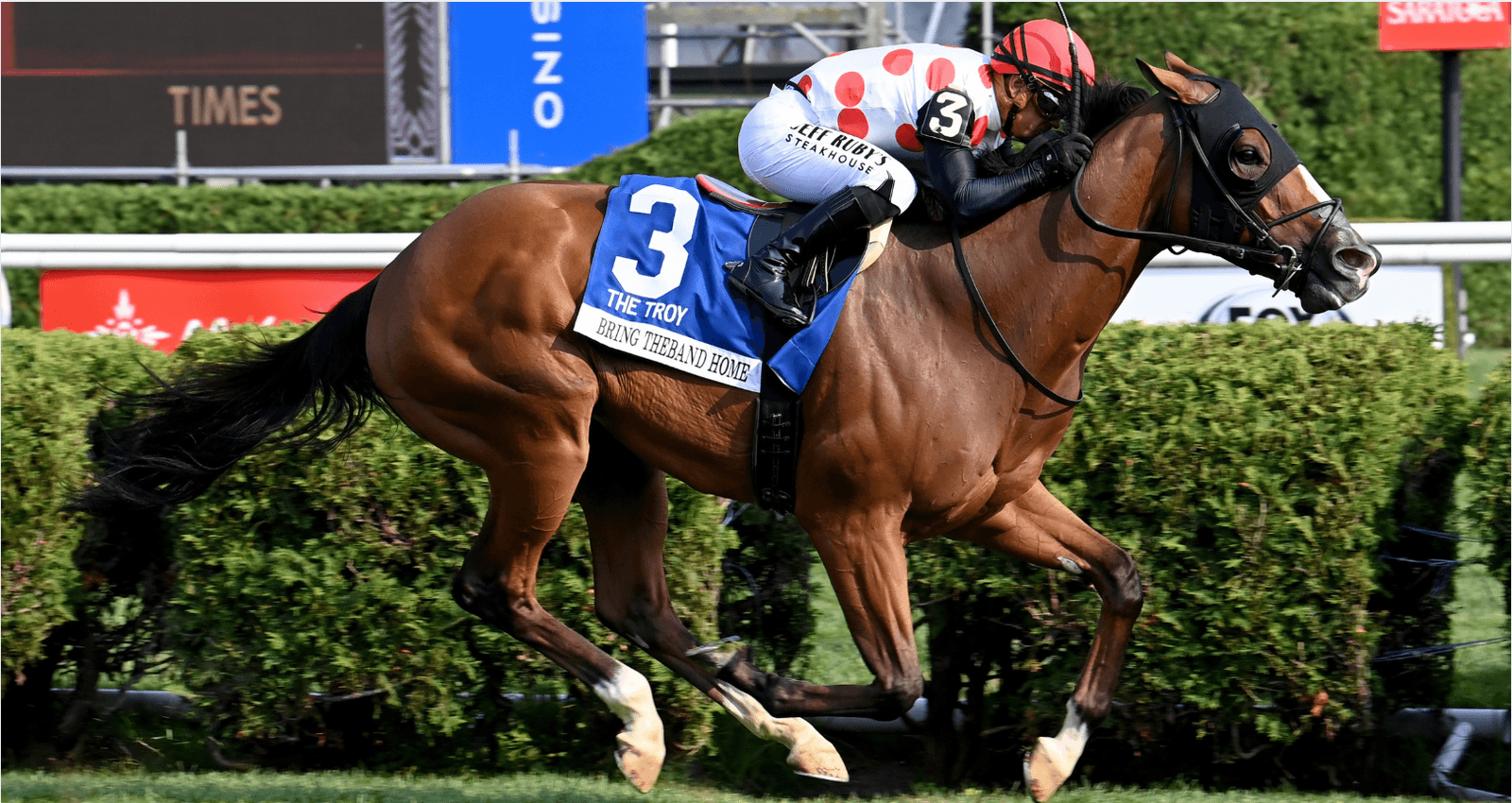
West Virginia boosts Thoroughbred industry with new revenue, breeding law
Morrisey’s Charles Town signing sends about $1.5 million more to the state’s Thoroughbred fund, with purses and breeding incentives set to get a direct lift.
West Virginia just put more money behind the races that matter most at Charles Town. Governor Patrick Morrisey’s ceremonial signing of Senate Bill 1060 at Hollywood Casino at Charles Town Races gave the state’s Thoroughbred industry a new revenue stream, and the biggest immediate winners are the purses, the breeders and the owners deciding where to keep horses stabled.
The bill, which takes effect July 1, 2026, is built to move roughly $1.5 million more into the West Virginia Thoroughbred Development Fund by letting the state’s Thoroughbred tracks hold onto more of the money generated through video lottery terminals and simulcast wagering. In practical terms, that means more fuel for race-day competitiveness in a market where purse levels shape everything from field size to where horsemen choose to base their stock. At Charles Town, where the racing product drives the whole local operation, that extra money can help keep races filled and attractive enough to hold ground against neighboring Mid-Atlantic circuits.
The law also creates a new West Virginia Certified Thoroughbred program, and that part is as much about breeding as it is about the races themselves. To qualify, a horse must live in West Virginia for six consecutive months before its 3-year-old season. That rule is designed to keep horses in the state longer, which strengthens the local pipeline for breeders, trainers and farms that depend on a steady flow of horses cycling through the system. For owners, it creates a clearer incentive structure: keep horses in-state and the rewards get better.
Morrisey made clear the law was not just about race day at the window. He framed the industry as a bigger ecosystem that includes trainers, breeders, farmers, backstretch workers and fans, with the Eastern Panhandle standing to benefit through more racing, better purses, more tourism and more money circulating around the track. Senate Finance Chairman Jason Barrett sponsored the bill, Senate Patricia Rucker helped steer it through the Senate, and delegates Joe Funkhouser, Wayne Clark and Bill Ridenour pushed it in the House.
The financial backdrop shows why the change matters. West Virginia Racing Commission figures show Charles Town’s Thoroughbred Development Fund distribution at about $4.02 million in 2023, while Mountaineer’s was about $714,402. Charles Town’s total earnings in 2024 were about $40.89 million. West Virginia law already favors West Virginia accredited thoroughbreds in accredited races, and SB 1060 pushes that preference further by tying state money more directly to horses that stay, race and breed in West Virginia.
This article was produced by Prism’s automated news system from verified source data, official records, and press releases, then run through automated quality and moderation checks before publishing. The system is built and supervised by the people who set the standards it runs under. Read our full AI policy.
Did this article answer your question?