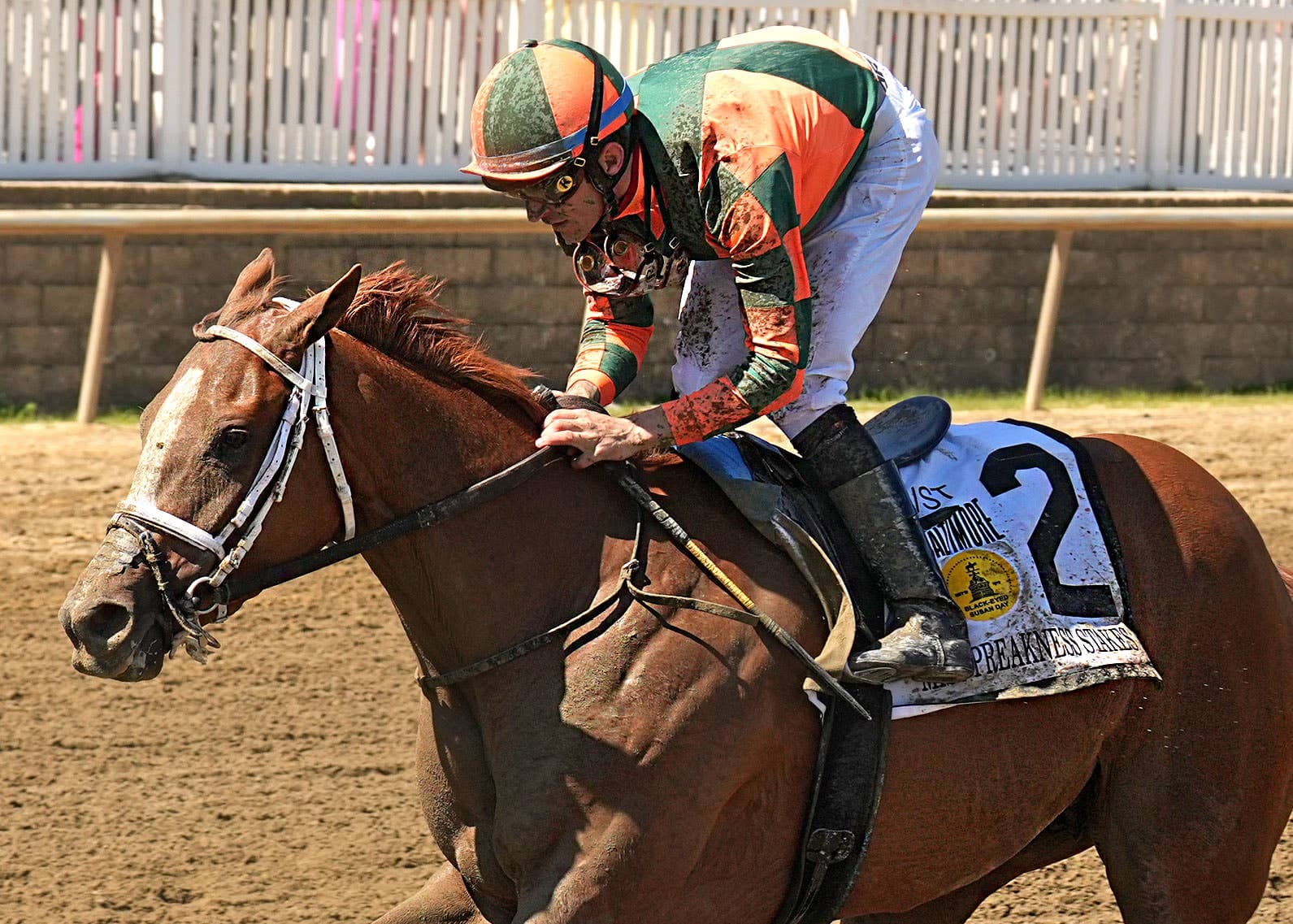
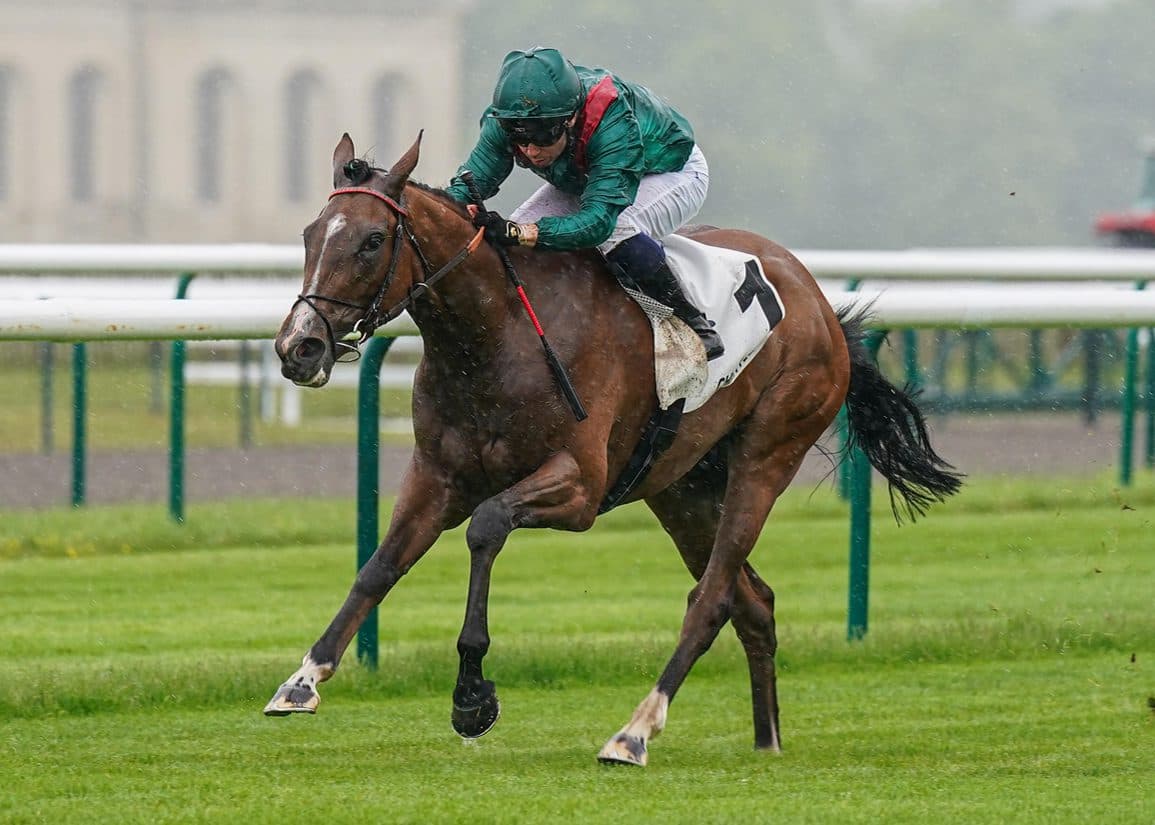
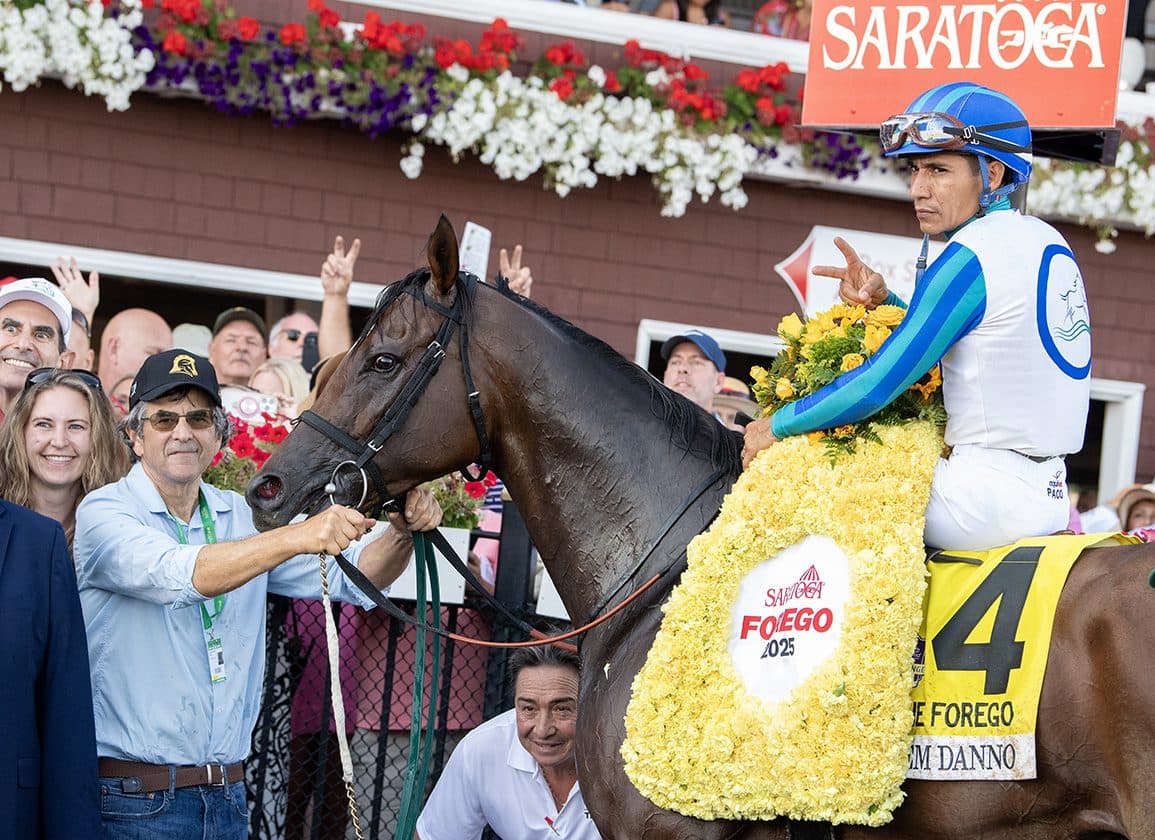
Wonder Acute joins historic Soma Nomaoi samurai horse parade in Fukushima
Wonder Acute will ride into Soma Nomaoi, bringing a ¥876.31 million career and racing-star cachet to a 1,000-year-old Fukushima samurai parade.

Wonder Acute is set to turn one of Japan’s oldest horse festivals into a fresh racing crossover, with the retired bay horse scheduled to join the Soma Nomaoi samurai parade in Fukushima on May 23 and 24.
That matters because Wonder Acute is not a novelty act. Foaled on March 14, 2006, he finished with listed earnings of ¥473.70 million in JRA racing and ¥402.61 million in NAR racing, a resume that gives him the kind of name recognition most parade entries can only dream about. In a country where racing heroes are followed from the track to the breeding shed and beyond, his appearance gives Soma Nomaoi a direct link to the modern sport.
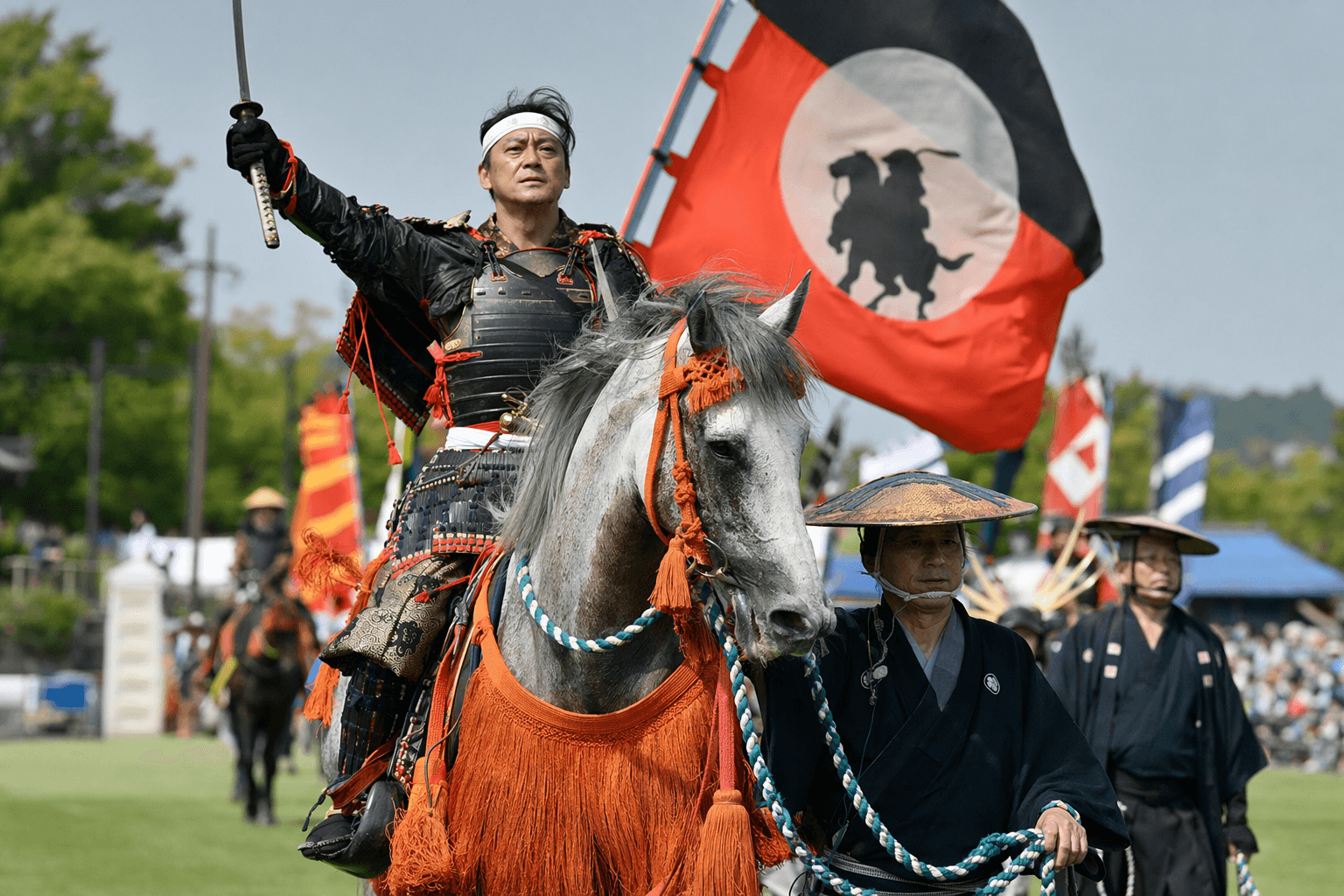
The festival itself is the real heavyweight. Soma Nomaoi is officially staged as a three-day event from May 23 to 25 at Hibariga-hara festival grounds in Minamisoma, in the Soma region of Fukushima Prefecture. Festival materials say about 400 mounted warriors take part, and the event is designated an Important Intangible Folk Cultural Property of Japan. The Japan National Tourism Organization describes it as more than 1,000 years old and a symbol of resilience after the 2011 disaster, which is why the meeting of a retired racehorse and a samurai procession lands as more than a photo opportunity.
The second day is where the action tightens up. The armored horse race, or kacchu keiba, and the sacred flag contest, shinki sosho, are the signature draws, with the horse race run on a 1.2-kilometer circuit course. That is where Soma Nomaoi stops being a museum piece and starts looking like live sport again, a fast, noisy test of balance, nerve and horsemanship that still feels dangerous enough to matter.
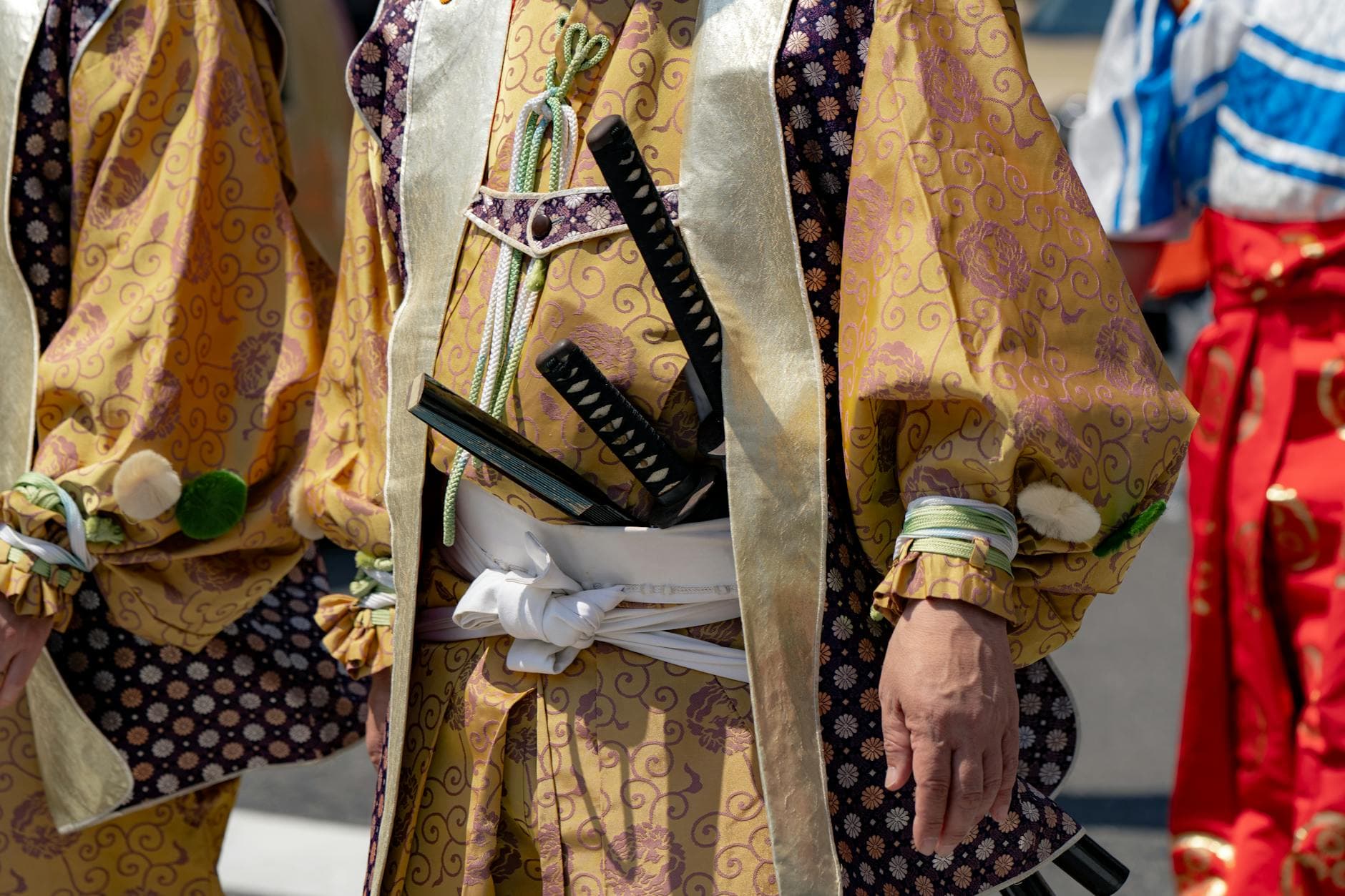
The event is also showing how tradition evolves without losing its edge. A Yomiuri Shimbun report said the festival removed a rule that had required female participants to be under 20 and unmarried, a change that broadened the field without touching the core rituals. Limited-edition plush toys of Wonder Acute and other stars will also be sold at the festival, another sign that organizers understand the pull of racing celebrity.
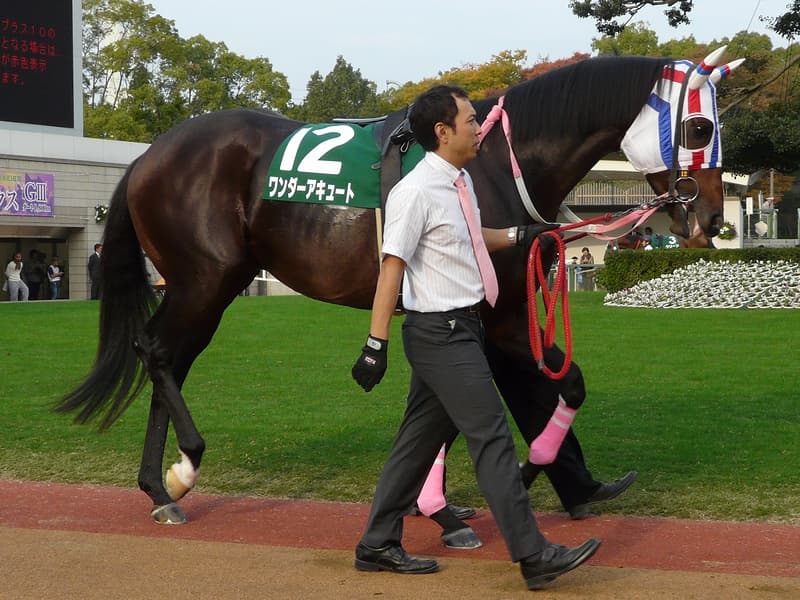
For horse racing, that is the sharpest lesson here. A horse can retire from the track and still carry value, identity and public attention into a civic ritual that predates modern racing by centuries. Wonder Acute’s next start is not on a tote board, but in a parade that still speaks to how Japan sees horses, history and the sport itself.
Know something we missed? Have a correction or additional information?
Submit a Tip