Ahmedabad family turns pickleball into a shared competitive mission
A nine-member Ahmedabad family has turned pickleball into a daily habit, then into medals and World Cup trips. Their rise shows why households may power India's next pickleball boom.
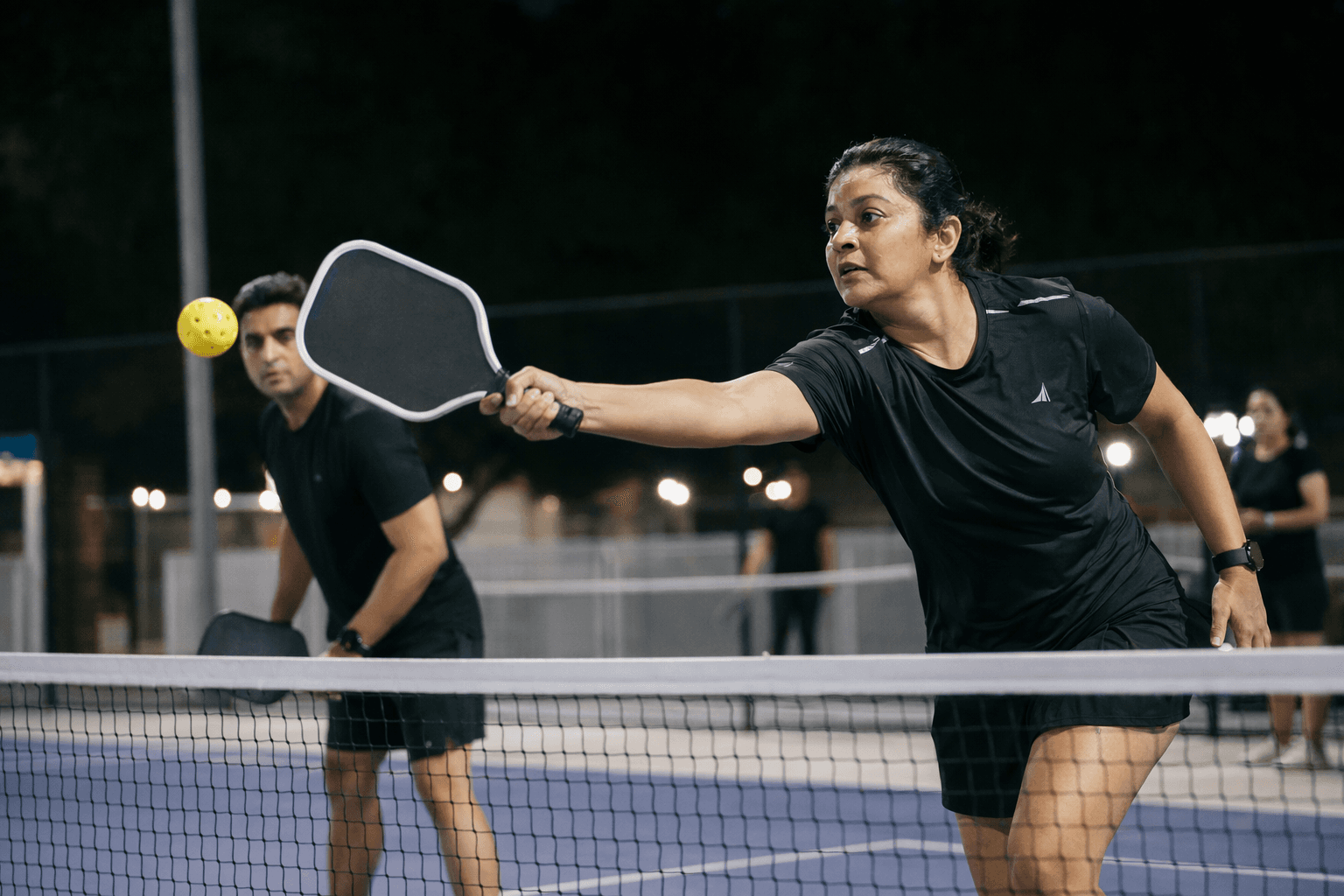
A nine-member Ahmedabad household has done something pickleball in India rarely gets credit for: it has made the sport part of the family schedule. Seven Sheths play regularly, and what began in 2022 as Ratnaraj Sheth’s wellness decision has become a shared mission built around fitness, fun, quality time, agility, and focus.
A family roster, not just a player list
The Sheths are easy to read as a feel-good story until you look closer at the results. They travel together to tournaments, compete, cheer, and study the game from the sidelines like a compact support staff with rackets in hand. That matters because pickleball’s real edge in India is not only that it is easy to start. It is that it can be folded into the family calendar without demanding a full-time athletic life.
That is the sport’s practical genius. A court, paddles, and a game that can be learned quickly make it possible for older relatives, parents, and children to share the same sporting space. The Sheths show how that setup turns into habit. Once the whole household is involved, the sport stops being a novelty and becomes a routine, one that fits around work, school, and weekend plans instead of fighting them.
Why Ahmedabad became the perfect incubator
Ahmedabad did not create this family story by accident. Local reporting in 2024 said the city had more than 120 pickleball courts built between 2023 and April 2024, along with more than 250 registered players across age groups. That kind of density changes everything. It means practice is available, competition is nearby, and a family can keep showing up without treating every session like an expedition.
The city’s momentum also gave the sport legitimacy. Ahmedabad was chosen to host the World Pickleball Championships series from October 23 to 27, 2024, at the Sabarmati Riverfront Sports Complex. For a family like the Sheths, that kind of stage is not just a big event on the calendar. It is proof that the local scene has moved beyond casual recreation into a structured ecosystem where ambition can actually grow.
From household hobby to medals and international courts
The most convincing part of the Sheth story is that the family is producing results, not just selfies and social clips. Atharva Sheth won silver at the 2026 US Open Pickleball Championships in Naples, Florida, partnering Panth Thakkar in the Men’s Doubles 4.5 category. The US Open bills itself as the sport’s biggest pickleball party, and it draws thousands of athletes and spectators every year. A silver there is not a decorative achievement. It is a signal that Indian players from a family-driven system can compete on a serious stage.
Anshi Sheth has pushed that ceiling even further. She became the first member of the family to compete at the Pickleball World Cup in Lima, Peru, in 2024, when India sent two teams to the event scheduled for October 22 to 27. Reporting on that squad named her among the open-category players alongside Himansh Mehta, Suraj Desai, and Rakshika Ravi. Atharva and Anshi also won the Arena One Open mixed doubles title last year, which reinforces the point: this is not just a sentimental sports family, it is a production line for competitive success.
What the Sheths reveal about pickleball’s real growth engine
India’s pickleball rise is often framed through leagues, rankings, and federation politics. Those pieces matter, but the Sheths point to a bigger engine: the household. The Indian Pickleball League is described as India’s first and only national franchise-based pickleball league, launched by The Times Group and sanctioned by the Indian Pickleball Association. That kind of institutional structure helps the sport scale. But a league cannot do the day-to-day work of building culture in a neighborhood or making children and grandparents want to keep playing.
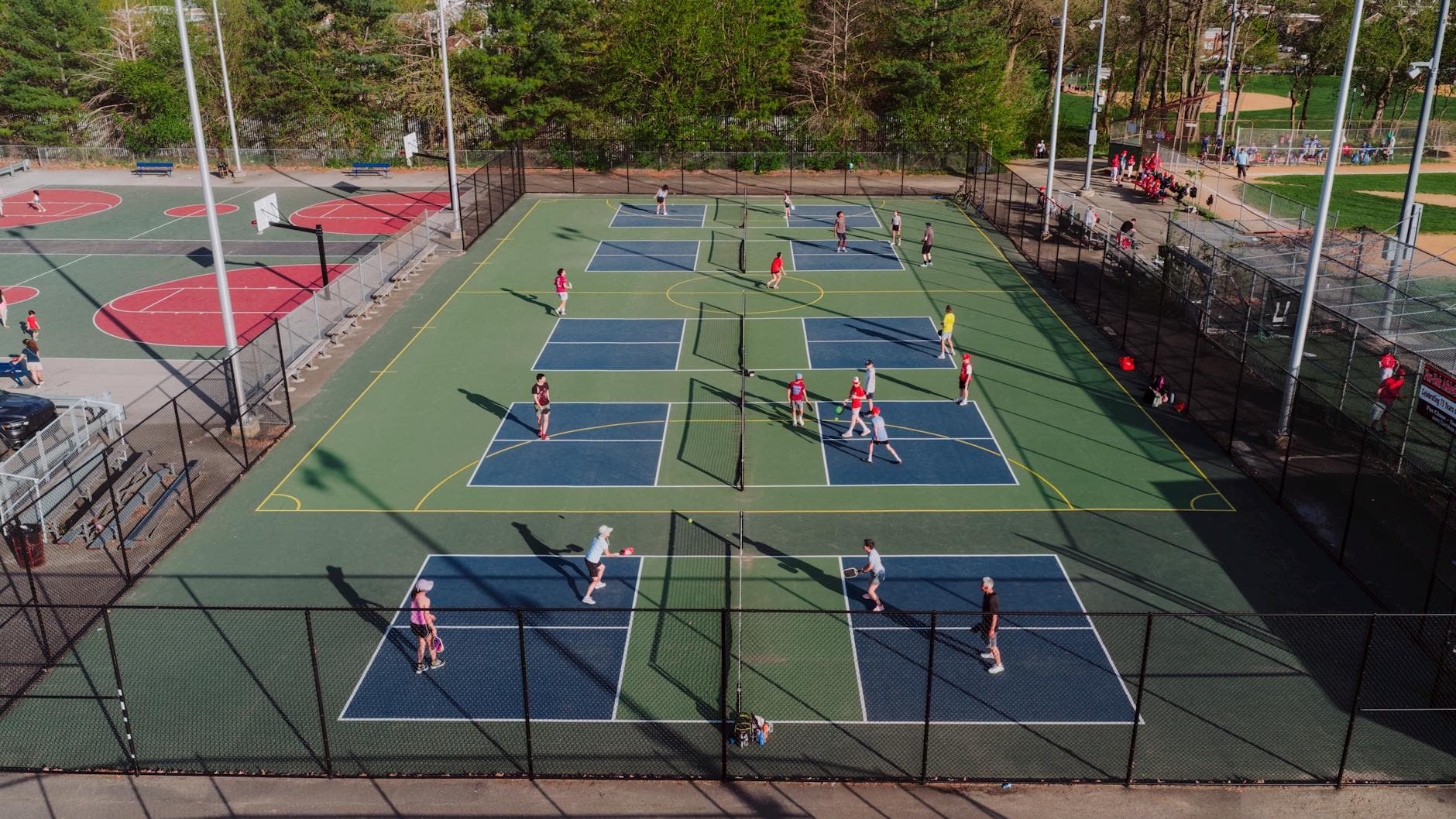
That is where families matter. Pickleball is relatively affordable compared with many sports, easy to schedule, and social enough that it can serve as exercise and hangout time at once. In a country as large and time-pressed as India, those are not minor advantages. They are the difference between a sport that gets sampled once and a sport that gets woven into weekly life.
The Sheths also sit inside a sport that is still sorting out its power structure. In May 2025, AIPA president Arvind Ramesh Prabhoo publicly objected to the sports ministry’s recognition of the newly formed Indian Pickleball Association. That dispute shows the growth is real, but the governance is still unsettled. Even so, families like the Sheths keep moving the sport forward on the ground, where participation, not paperwork, decides whether a game lasts.
The broader lesson is hard to miss. Ahmedabad’s court boom created the space, national events created the pathway, and one nine-member family turned all of it into a repeatable habit. That is how pickleball stops looking like a passing trend and starts looking like a household sport.
Know something we missed? Have a correction or additional information?
Submit a Tip