Anna Clarice Patrimonio bridges Philippine tennis pedigree and pickleball rise
Anna Clarice Patrimonio brings real tennis pedigree to pickleball, and her rise gives the sport a familiar Filipino face as its competitive pathway deepens.
A tennis name giving pickleball instant weight
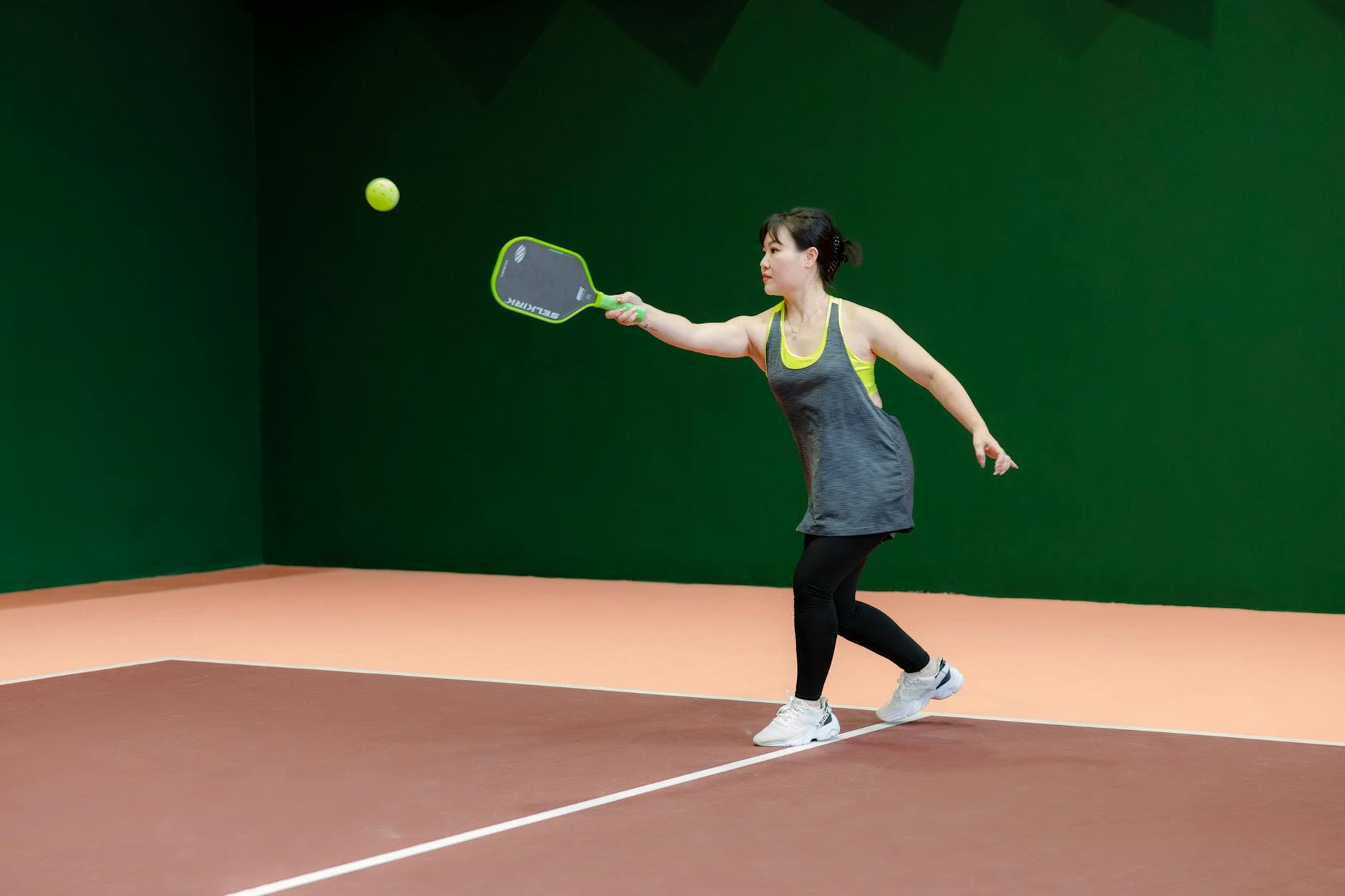
Anna Clarice Patrimonio’s move into pickleball matters because it does more than add another skilled player to the draw. It links the Philippines’ tennis lineage, through a family name that already carries recognition, to a sport that is still fighting for full legitimacy in the region. Patrimonio is not arriving as a casual convert. She was born in Manila on November 25, 1993, started tennis at age 8, represented the Philippines in the 2011 Fed Cup, and reached a career-best junior ranking of 117 in August 2011.
That background changes how her pickleball success reads. A player with that resume does not simply dabble in a new racket sport. She arrives with the habits, expectations and competitive discipline of elite tennis already built in, which is exactly why her transition resonates beyond one athlete’s results.
From SEA Games bronze to a new competitive lane
Patrimonio’s tennis pedigree is anchored by a concrete international result: she won bronze in women’s singles at the 29th Southeast Asian Games in Kuala Lumpur in 2017 after reaching the semifinal round. That medal matters in the way sports families understand lineage. It confirms she was not just a promising junior or a domestic standout. She was already producing on a multi-nation stage, which makes her shift into pickleball feel like an extension of serious competition rather than a departure from it.
The Philippines has seen many athletes move between racket sports, especially as former tennis and badminton players find another competitive home in pickleball. Patrimonio’s story sits right at the center of that movement. Because she already has a verified history in elite tennis, her success in pickleball gives the sport something it values deeply: a bridge from a familiar, established pathway into a newer, faster-growing one.
A pickleball record that is already substantial
Patrimonio’s rise in pickleball is not symbolic only. It is supported by results that place her among the sport’s leading Filipino figures. The GAME profile notes that she became one of the faces of Philippine pickleball, earned recognition from the World Pickleball Championships as Asia’s top women’s singles player in 2024, and added a 2026 Philippine Pickleball League Open title in both women’s singles and women’s doubles.
Her international breakthrough in 2025 sharpened that profile even further. At the WPC Asia Pickleball Open in Pattaya, Thailand, from March 4 to 9, 2025, she won gold in the Women’s Singles 19+ Open category and silver in Women’s Doubles 19+ Open alongside Indonesian partner Karina Dwipayani. That combination of individual and partnership success matters because it shows she can win in more than one format, against regional competition, on a stage that is increasingly important to Asia’s pickleball calendar.
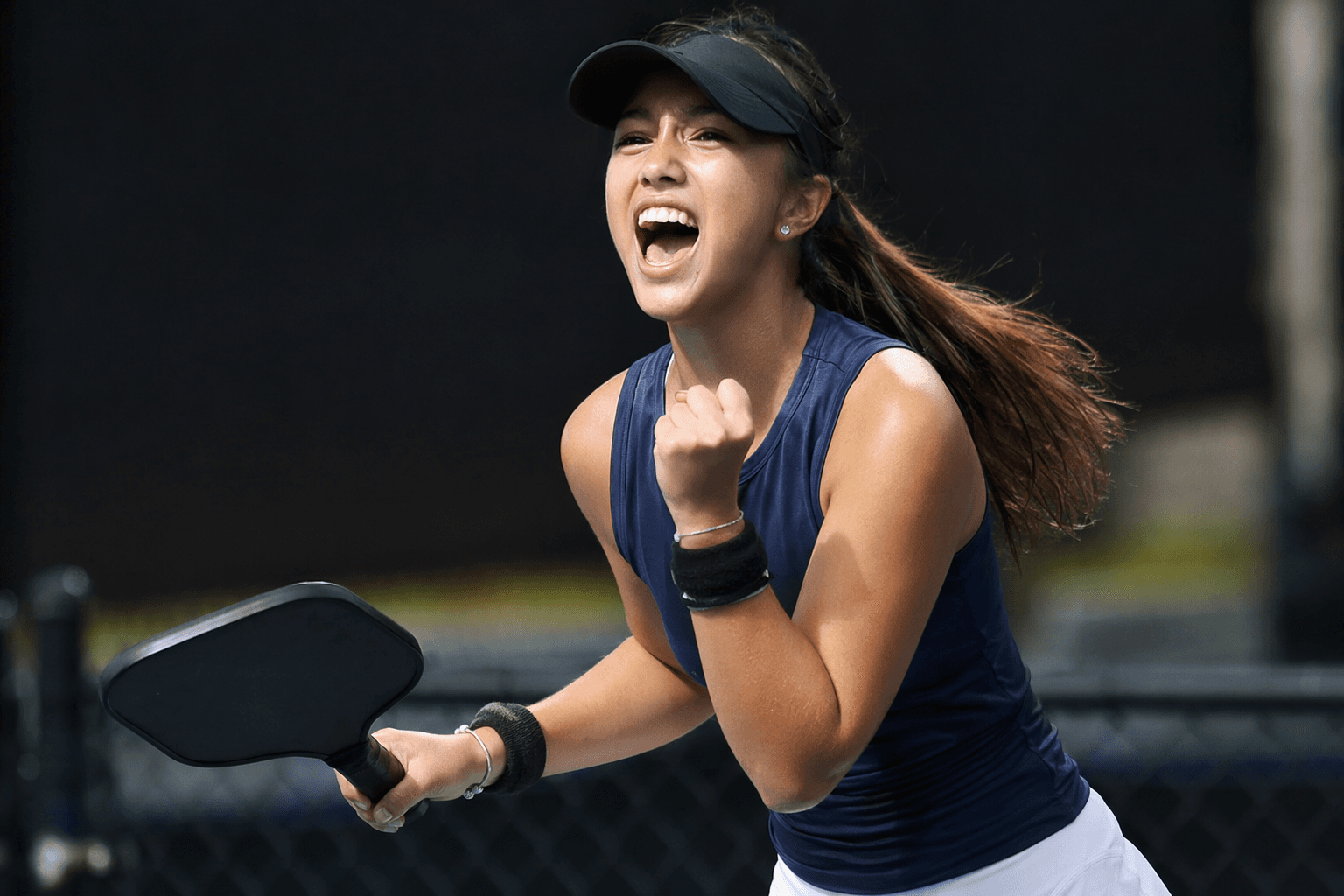
For a sport still building its hierarchy, these are the kinds of results that separate novelty from credibility. Patrimonio’s name now appears alongside actual titles, not just transition narratives.
Why her move helps validate the sport
The symbolic value of Patrimonio’s switch is especially important in the Philippines, where pickleball is still building public understanding and competitive structure. When recognizable athletes from tennis step into the sport and win, they help answer a question many casual observers still ask: is pickleball just recreation, or is it a real athletic lane with serious standards?
Her presence pushes the second answer forward. It gives sponsors, organizers and younger athletes a face they already understand, while also proving that pickleball can reward skill sets honed in more established sports. That matters for legitimacy because recognition often follows familiar names first, then the institutions and money come later.
The broader implication is that athletes like Patrimonio can lift the level of play while also widening the sport’s appeal. A player with a national tennis pedigree can attract attention from fans who may never have watched a pickleball final before. Once they do, the sport’s speed, tactics and physical demands become easier to see.
The Philippine pipeline is getting more formal
Patrimonio’s rise has happened alongside a faster, more organized Philippine pickleball ecosystem. The Philippine Pickleball Federation says the sport was introduced in the country through a clinic in Cebu in February 2016. That origin matters because it shows how quickly the sport moved from introduction to structure.
The biggest proof of that progress came with the first Philippine Pickleball National Championship, held from May 30 to June 1, 2025, in Marikina City. The federation said eligibility was based on 2024 circuit results, and the event was used to scout potential players for the Philippine national pickleball pool. ABS-CBN News reported that the inaugural championship brought together medalists from across the country, which is another sign that pickleball is no longer operating purely as a social activity.
That scouting function is crucial. It means the sport is creating a pathway where results matter, ranking strength matters and national selection can be built on competitive performance. Patrimonio’s profile fits neatly into that environment because she already understands elite selection pressure from tennis and the SEA Games.
A sport wide enough to absorb more migrations
Patrimonio’s story also raises a bigger question for Philippine sport: is her path part of a broader talent migration that could raise standards across pickleball? The answer increasingly looks like yes. When accomplished athletes from tennis and badminton move into pickleball, they bring footwork, touch, court awareness and competitive discipline with them. That can accelerate the local level of play and force younger entrants to raise their own standards faster.
That has real consequences beyond the court. A deeper talent pool can attract sponsors who want recognizable names and measurable competition. It can also shape the choices of young Filipino athletes deciding which racket sport to pursue first. If pickleball keeps producing visible winners with established sporting backgrounds, it stops looking like an afterthought and starts looking like a serious route to medals, national-team spots and visibility.
Patrimonio is helping build that case in real time. Every result she adds in pickleball also strengthens the sport’s argument that it deserves attention on its own terms.
Manila’s growing role in the sport’s future
The Philippines is not only producing players. It is becoming part of the sport’s governing map. The Global Pickleball Federation has scheduled its 2025 Congress and Annual General Meeting in Manila at EDSA Shangri-La Hotel in Mandaluyong City, a meaningful marker for a country that is now clearly inside the sport’s regional conversation.
That matters because governance events follow momentum. When Manila hosts a major international meeting, it signals that the Philippines is being treated as a serious Asian hub for development, administration and growth. Patrimonio’s rise and the federation’s expansion tell the same story from different angles: one athlete’s career and one country’s institutional buildout are moving in the same direction.
For Philippine pickleball, that combination is powerful. Patrimonio gives the sport a recognizable champion with tennis pedigree and regional titles. The federation gives it structure, selection pathways and a larger stage. Together, they show a sport that is no longer simply arriving, but settling in for a deeper, more consequential run.
Know something we missed? Have a correction or additional information?
Submit a Tip