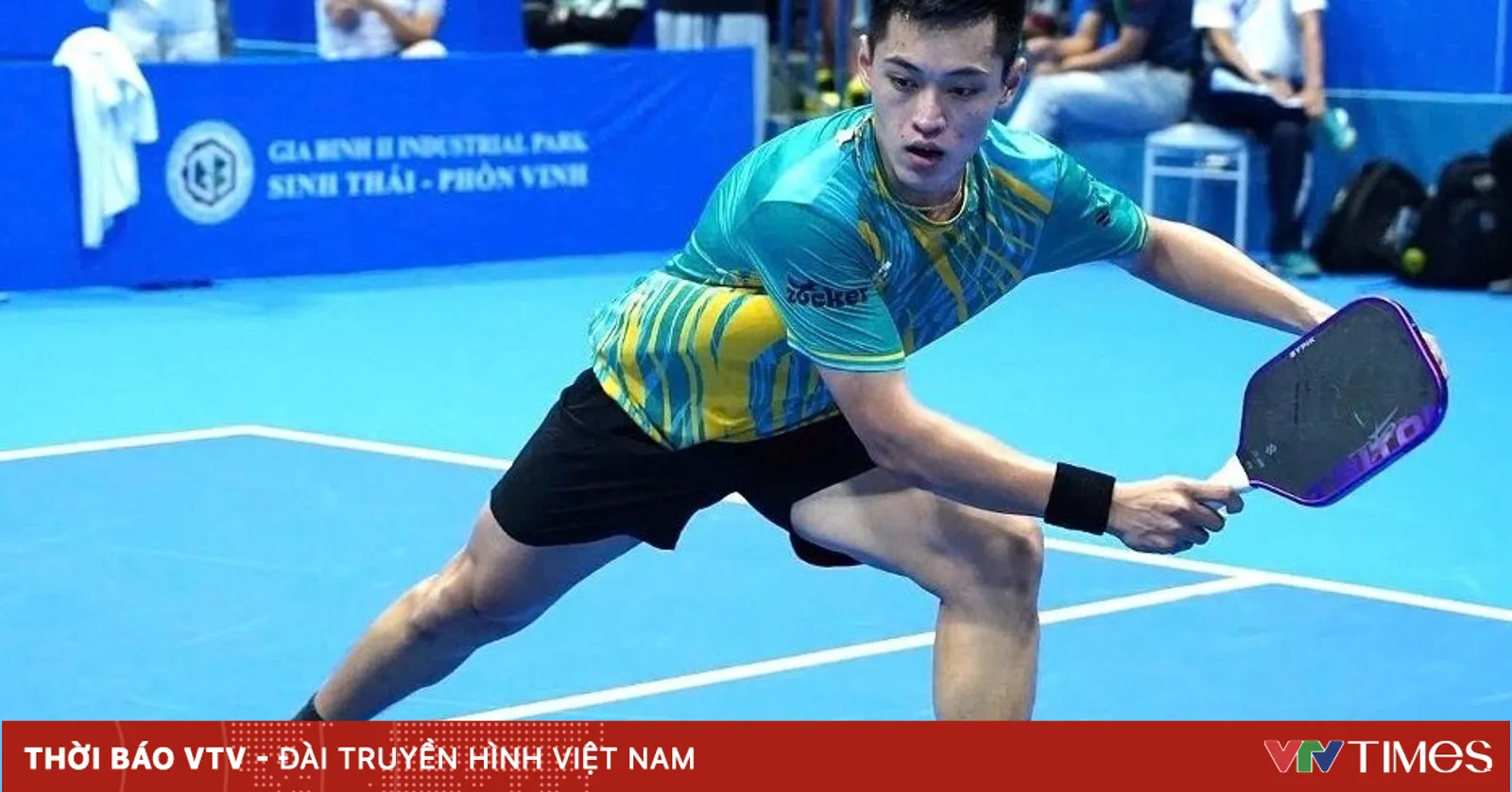
Asia pickleball summit pushes youth development to secure growth
Asia pickleball’s boom is hitting a pipeline gap: the Kuala Lumpur summit drew 1,500 people, but the next race is building juniors, schools and age-group pathways.
Asia pickleball’s biggest growth problem is no longer drawing adults into the game. It is building a junior base strong enough to keep the sport competitive, credible and commercially durable across the region. That tension framed Asia Pickleball Summit 2.0, which drew about 1,500 participants to Hextar World Exhibition Hall in Empire City, Petaling Jaya, for two days of conference talks, exhibition booths, networking gameplay and open play.
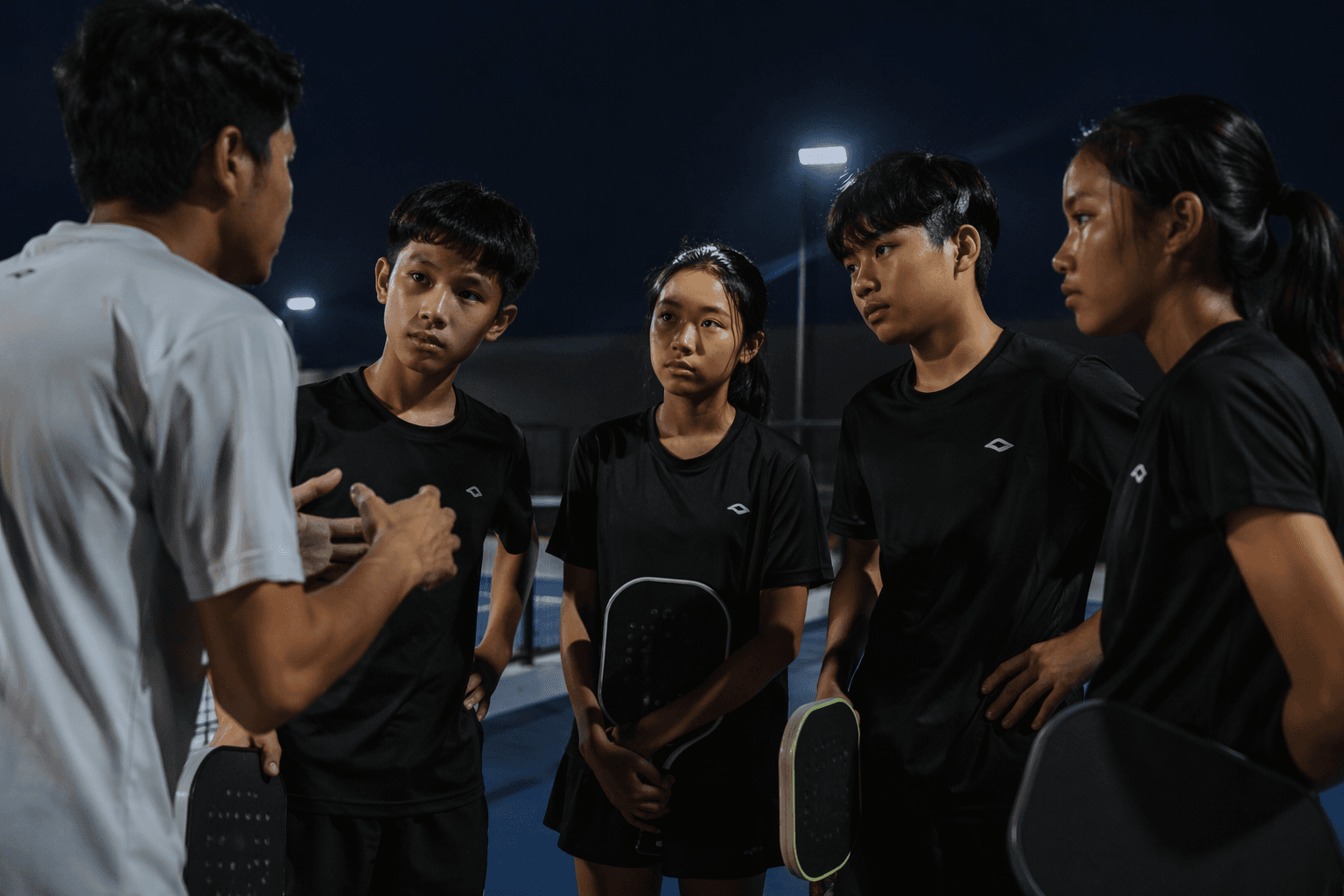
The message from Kuala Lumpur was blunt: pickleball in Asia can keep climbing in the short term on recreational momentum, but it risks stalling if school-age players never become a core part of the sport’s structure. The Asia Federation of Pickleball has already started building that structure through a junior program designed to identify, develop and nurture young talent through a pathway from grassroots play to international competition. Its model includes school partnerships, youth clinics and junior leagues, with age-group targets set at U12, U14 and U16.
That matters because the next stage of growth is about more than participation counts. AFP has also linked youth development to competition by backing the Asia Pickleball Junior Open and university championships as stepping stones between junior play and the next level. In other words, the sport is no longer just trying to fill courts; it is trying to build ladders.
Malaysia gave that agenda a concrete backdrop. Selangor launched the Picklespark 2026/2027 development program in May, targeting school students across five zones over 12 months. One report on the program said it aims to involve 500 students and 100 teachers, a scale that moves youth development from conference talk into the school system. Malaysia’s own association says the country now has more than 400,000 players, 472-plus tournaments and 500-plus coaches, numbers that show how quickly the sport has expanded and why a stronger youth pipeline is becoming urgent.
The regional picture reinforces the point. AFP says it represents 18 member nations and estimates about 70,000 players in member countries, which makes the case for standardized age-group pathways even stronger. A sport that has grown this fast needs more than viral popularity and weekend play. It needs juniors, coaches, school links and competition ladders that can outlast the current surge. Kuala Lumpur did not solve the pipeline problem, but it made clear that Asia pickleball’s next growth phase will depend on whether the region turns that problem into an organized system.
This article was produced by Prism’s automated news system from verified source data, official records, and press releases, then run through automated quality and moderation checks before publishing. The system is built and supervised by the people who set the standards it runs under. Read our full AI policy.
Know something we missed? Have a correction or additional information?
Submit a Tip