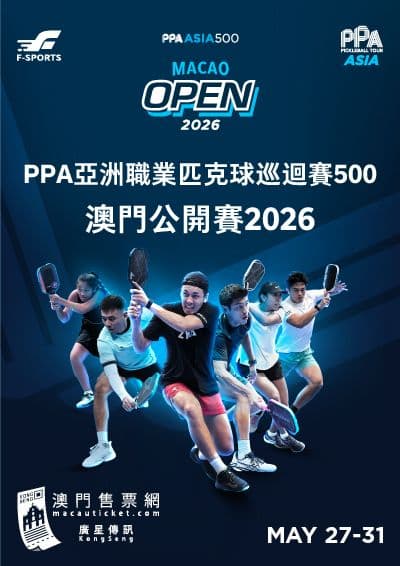
Chongqing mall pickleball club turns profitable, rides youth economy wave
Li Tao’s mall club hit profit in three months, and its four courts are packed from afternoon to night on weekends. Chongqing’s pickleball boom is now a business case.

A pickleball club tucked into the fourth floor of Joy City Central Park has already done what plenty of mall sports concepts only promise: it made money fast. Li Tao, a 32-year-old operator who spent four years running tennis clubs in Chongqing, opened Qi Le Pickleball Club in January 2026 and says the business turned a healthy profit within three months after rent and labor costs.
The numbers explain why the gamble worked. The club has four courts, and they are running above 60 percent occupancy on weekdays. On weekends, they are fully booked from afternoon through evening. In a city where shopping centers are still testing what sports can keep young people inside for longer than a coffee run, that is more than a novelty spike. It is repeat demand.

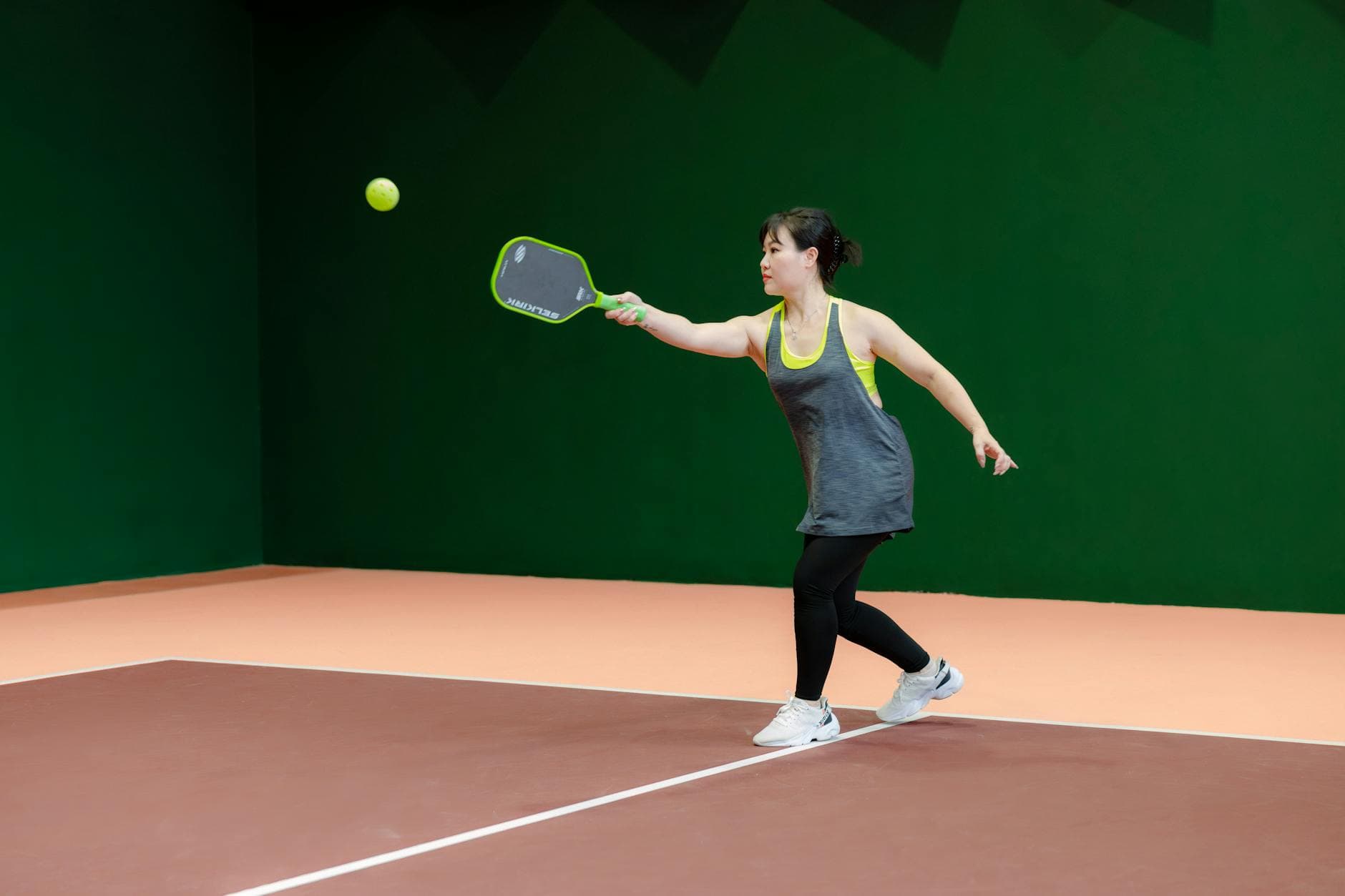
Pickleball fits the mall model because it compresses three things into one floor: exercise, entertainment and a social hangout. The sport is roughly the size of a badminton court, played with paddles and a perforated plastic ball, and it is easy to understand within minutes. That matters in Chongqing, where Li’s club is pulling in young players who want something fast, social and low-friction after work, not a commitment-heavy league.
Li’s timing was also shrewd. He noticed a neighboring pickleball court open in 2024 next to his Lijia tennis club, a sign that the sport was starting to siphon off younger players from the tennis side of the business. The Chongqing Tennis Association officially brought pickleball under its jurisdiction that same year, another marker that the game was moving from curiosity to structure.
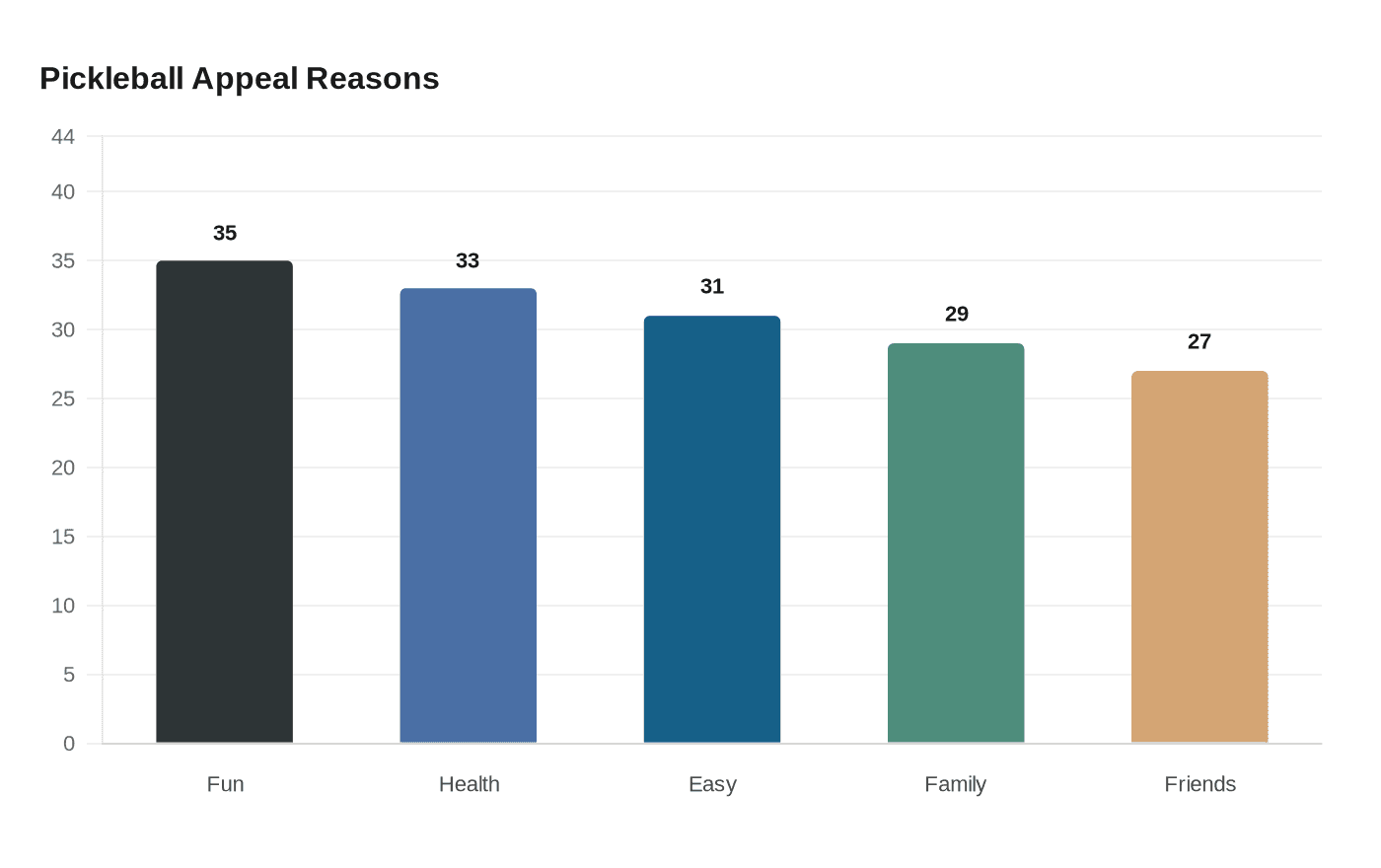
The wider market is saying the same thing. UPA Asia and YouGov’s June 2025 research found about 1.9 billion people across 12 Asian territories had heard of pickleball, 812 million had played at least once and 282 million were playing at least monthly. The 18-to-35 group was the most aware and most active, and the reasons were blunt: 35 percent called it fun, 33 percent said it was good for physical health and 31 percent said it was easy to pick up. Social pull mattered too, with 29 percent saying family and friends were already playing and 27 percent saying it helped them make new friends.
China’s policy backdrop gives the sport another tailwind. The State Council’s September 2025 sports-development guidelines aim to grow the country’s sports industry beyond 7 trillion yuan by 2030, while the Chinese Tennis Association has already published official pickleball competition rules and a national ranking system. That does not guarantee every mall court will cash in. It does suggest the durable story is not pickleball as a fad, but pickleball as a youth-economy product that meets urban demand for convenience, status and a quick path into play. Li Tao’s club shows the business can work. The bigger question is how many others can copy it without the right location, the right crowd and the right timing.
Know something we missed? Have a correction or additional information?
Submit a Tip