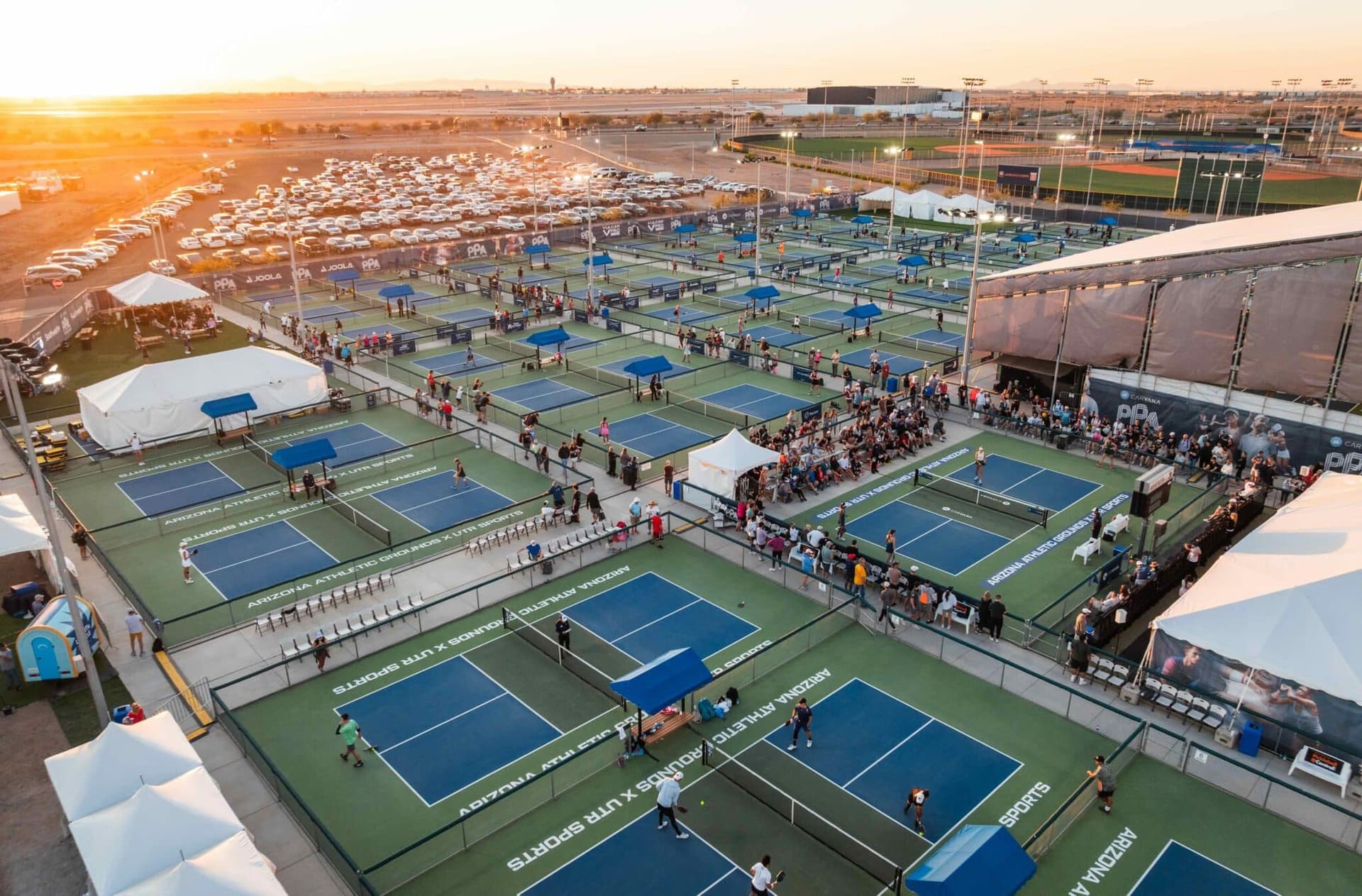
Hong Kong expo showcases pickleball’s growing commercial power across Asia
More than 400 booths in Hong Kong are turning pickleball into a sourcing story, with paddles, courts and buyers pointing to a bigger Asian market.
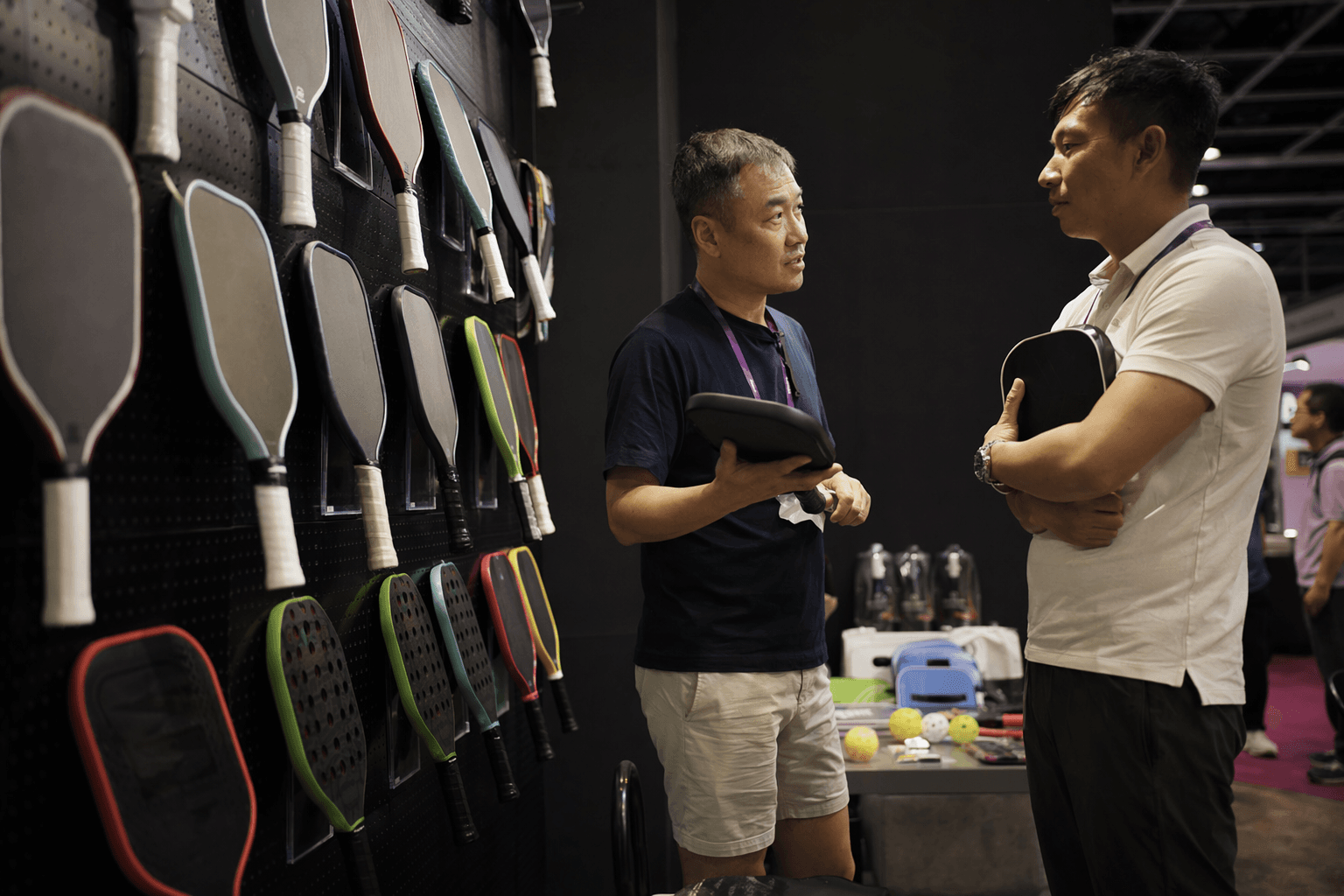
The show floor tells the story
More than 400 booths in Hong Kong are turning pickleball from a fast-rising pastime into a commercial category with real gravity. The Global Sources Sports & Outdoor exhibition has opened at AsiaWorld-Expo and runs from 27 to 30 April 2026, but the headline is not just that the fair exists. It is the scale around it, with the organizer projecting nearly 10,000 professional B2B buyer visits and positioning the event as a one-stop sourcing destination for global buyers.
That matters because pickleball is no longer being treated as a niche add-on to the outdoor business. Global Sources says the show presents a “complete pickleball industry chain,” and the supplier lineup backs that up with paddles, balls, courts and accessories. For a sport that only a few years ago was often discussed in terms of court bookings and recreational buzz, the trade-floor framing is a clear sign that manufacturers, distributors and retailers now see an actual product ecosystem.
Why Hong Kong is becoming the place to watch
Hong Kong is emerging as more than a tournament host because it sits at the intersection of retail, logistics and sports trade in Asia. The April 2026 Hong Kong Shows are being staged as a three-phase sourcing event at AsiaWorld-Expo, with the Sports & Outdoor fair one part of a broader commercial calendar spread across 11 to 14, 18 to 21 and 27 to 30 April. Global Sources’ own show page also advertises 600 booths, 12 product categories, 29,000 popular products and 100 percent verified suppliers, which reinforces how broad the sourcing platform has become.
The pickleball angle fits neatly into that model. Asia’s supply chain is prized for speed and flexibility, and pickleball rewards that kind of setup because the sport’s demand can scale quickly through clubs, schools, private facilities and retail channels. A city that can host serious trade buyers, handle sports goods distribution and attract international attention is exactly where the category can move from trend status to routine procurement.
What the expo means for gear, retail and court growth
The most practical impact of a sourcing fair like this is on what players across Asia can actually buy and where they can play. When the supply chain expands, paddles become easier to compare across price points, balls become easier to stock consistently and court builders have more options for surfaces, nets and accessories. The Global Sources supplier directory makes that plain by highlighting Chinese wholesalers and manufacturers offering OEM, ODM and OBM services, which means brands can source factory-made lines, customize designs or build fully branded collections.
That kind of flexibility shapes the consumer end of the sport. If more suppliers are competing for shelf space and club contracts, players are likely to see wider retail availability, more distinct paddle constructions and faster product turnover across online and physical stores. The same logic applies to courts: the more standardized the equipment and accessories become, the easier it is for developers, fitness clubs and housing projects to add pickleball as a usable amenity instead of a one-off experiment.
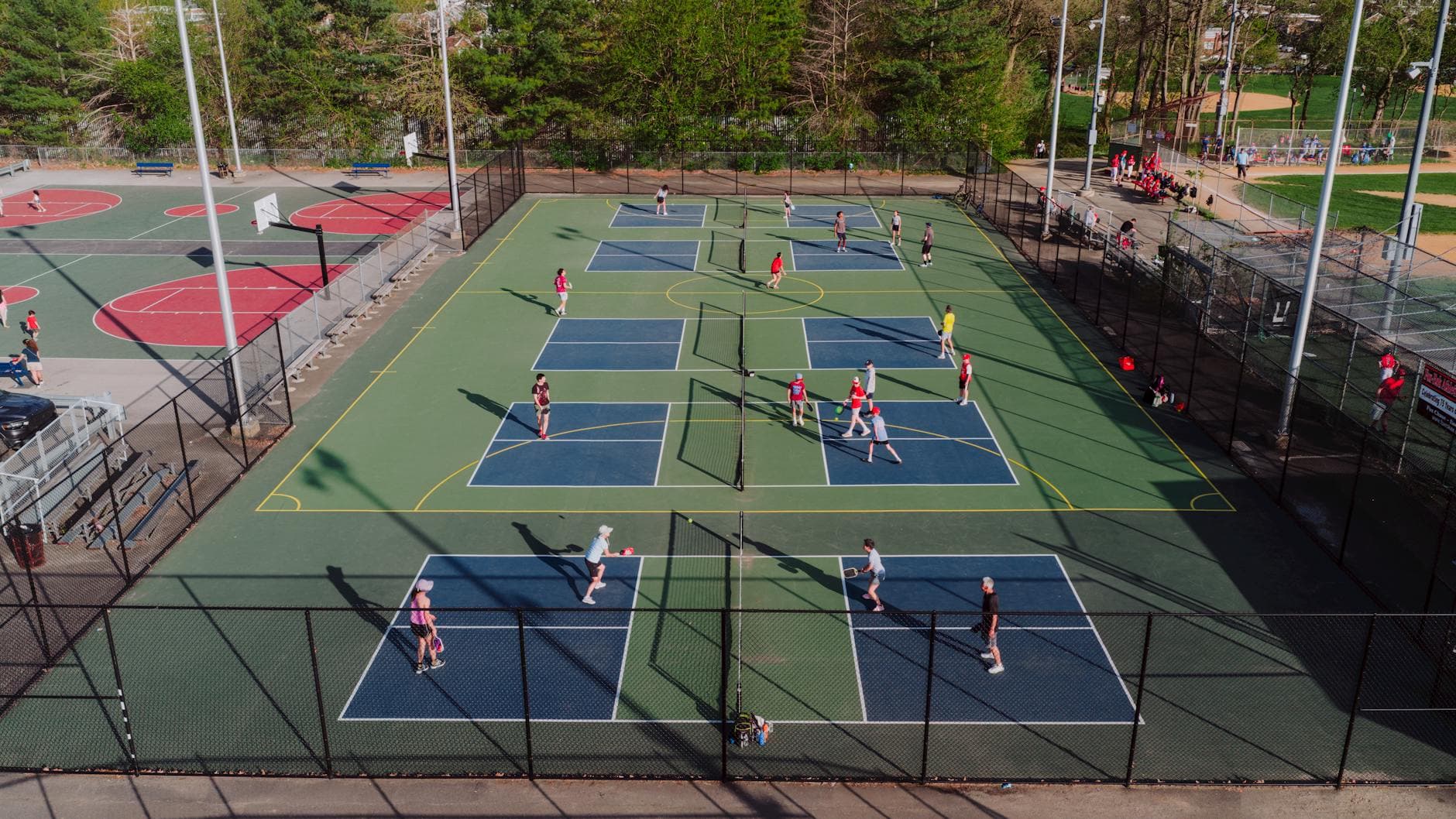
The fair also suggests that pickleball is now being folded into the broader sports-lifestyle mix rather than isolated as a single-sport business. Global Sources places it alongside camping, hiking, watersports, urban fitness and trend-forward outdoor lifestyles, and its show page adds a new semi-open Camping + Hiking zone. That is a useful clue for retailers and buyers, because it shows how pickleball is being sold not only as sport, but as part of a wider consumer category built around active living.
Hong Kong already has the competition side in place
The expo does not stand alone. Hong Kong already has a visible pickleball ecosystem beyond trade fairs, and the local sports calendar has shown that the city can draw both elite and recreational players. The PPA Tour Asia Hong Kong Open 2025 was staged at Kai Tak Arena from 21 to 24 August 2025, with organizers saying it carried a prize purse of more than US$59,000. The tournament concluded with 104 professional players and 424 amateur athletes from 25 countries or regions, a turnout that shows Hong Kong can support pickleball as both a spectacle and a participation sport.
The event’s listing also said the Hong Kong Open offered minimum US$50,000 prize money and 1,000 ranking points, underlining its value on the pro calendar. That kind of competitive credibility matters for the business story because brands tend to follow events that produce visibility, player demand and repeat audiences. If a city can host a meaningful pro stop and a serious sourcing fair in the same market, it becomes much more than a date on the calendar.
Local governance and development work add another layer. The Hong Kong, China Tennis Association says it promotes pickleball growth in Hong Kong through tournaments and lessons, and describes the sport as suitable for people of all ages, from children to seniors. Separate organizations, including the Pickleball Federation of Hong Kong, China and the Professional Pickleball Association of Hong Kong, point to a structure that is still developing but already organized enough to support clubs, events and wider participation.
Why the business case reaches beyond one expo
The broader market backdrop explains why Hong Kong is drawing this kind of attention. Industry reports place Asia-Pacific as the fastest-growing region for pickleball, and some trade-show coverage projects the market will double by 2034. That is exactly the kind of trajectory that turns a regional fair into a strategic meeting point for suppliers, importers and operators trying to catch demand before it hardens into long-term buying habits.
For Asia, the important shift is not just that pickleball is popular. It is that the sport now has enough commercial weight to shape sourcing decisions, retail planning and facility development at the same time. Hong Kong’s expo is a sign that the market is deepening on all three fronts, with courts, gear and business infrastructure growing together rather than one after another.
This article was produced by Prism’s automated news system from verified source data, official records, and press releases, then run through automated quality and moderation checks before publishing. The system is built and supervised by the people who set the standards it runs under. Read our full AI policy.
Did this article answer your question?