Hyderabad Royals chief says pickleball teams must win on court and online
Hyderabad Royals fell short of the title, but their chief says the real race is for attention, identity, and fan loyalty before the trophies arrive.
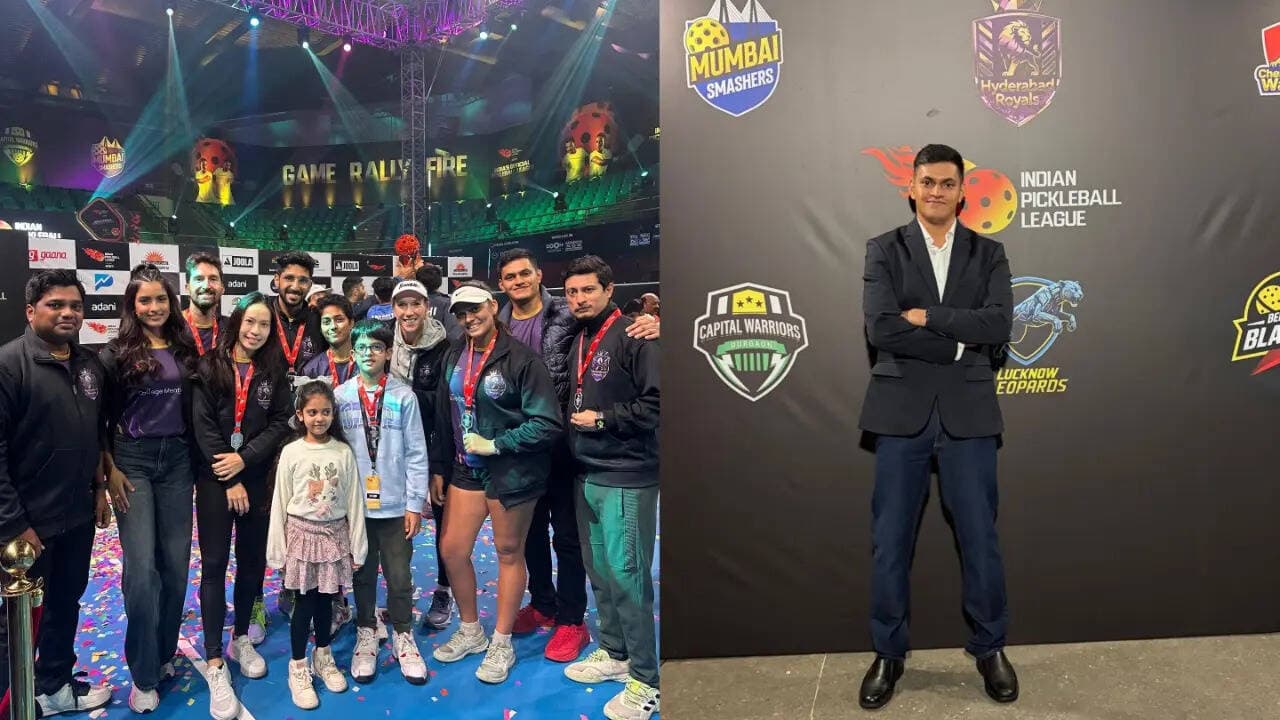
The real contest
Hyderabad Royals did not need a championship to make the sharper point in Indian pickleball. President Aditthya Ramakrishnan’s argument is that modern franchises are fighting two leagues at once, one on court and another inside the attention economy, where clips, personality and community can matter as much as the final score.
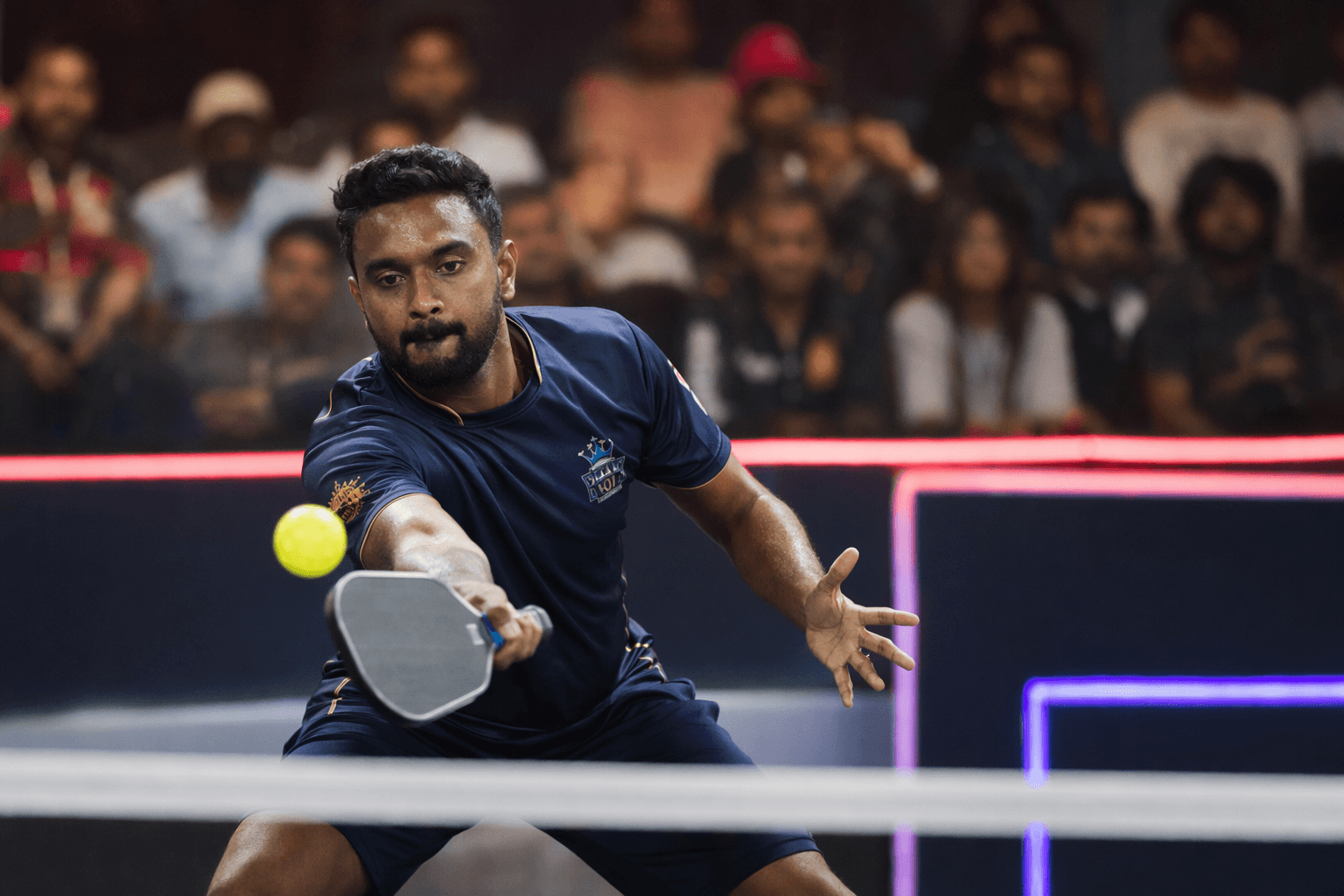
That is the lens that makes Hyderabad such a useful case study. The team finished runners-up in the inaugural Indian Pickleball League, Mumbai Smashers won the title, and yet the bigger commercial lesson may have nothing to do with the trophy cabinet. In a short-form media world, fans often meet athletes through reels before they ever sit through a full match, which means the team that looks and feels alive online can build value even before it becomes a champion.
What Hyderabad sold before the trophy
Ramakrishnan’s point is not that wins stopped mattering. It is that wins now sit alongside a wider job description: storytelling, recognizable personalities, authentic community engagement and a digital presence that gives casual viewers a reason to care. Hyderabad Royals, in that framework, becomes more than a team name. It becomes an identity product, something supporters can attach to even during a season that ends one step short.
That is why the off-court race matters so much in a league this young. Ramakrishnan also pointed to teams such as Mumbai Smashers and Capital Warriors Gurgaon as examples of franchises that handled content and fan engagement well, proving that a club can build relevance without winning the title. In a sport still finding its mass audience, that kind of traction is not cosmetic. It is the foundation for commercial value.
The takeaway is simple: if a franchise can make players feel like names, not just uniforms, it can create loyalty before the hardware shows up. That is especially powerful in pickleball, where attention is still being formed and the audience is deciding which teams are worth following beyond one weekend of results.
Why the first IPBL season mattered
The inaugural Indian Pickleball League was scheduled for December 1-7, 2025, at the Indira Gandhi Indoor Stadium in New Delhi, and it arrived with a level of institutional weight that matters for any emerging sport. The league was launched by The Times Group and sanctioned by the Indian Pickleball Association, which is officially recognized by India’s Ministry of Youth Affairs and Sports as the national governing body for pickleball.
That framework matters because it turns a one-off event into a platform. The inaugural knockout phase featured six teams, including Gurgaon, Mumbai, Bengaluru, Chennai, Hyderabad and Lucknow, which gave the league a proper competitive spine rather than a novelty exhibition. Hyderabad’s run to the final, and Mumbai’s rise from the middle of the field to the title, showed a league already producing credible rivalries and a bracket that could carry real stakes.
The results themselves were not close to decorative. Hyderabad beat Chennai Super Warriors 4-2 in Qualifier 1, showing the kind of comeback and match management that gets attention in a knockout format. Mumbai then beat Lucknow Leopards in the Eliminator, followed that with a 4-2 win over Chennai Super Warriors in Qualifier 2, and finally beat Hyderabad 5-1 in the championship match. Mumbai’s title was decisive, not accidental, and that makes the first season feel more like the start of a competitive hierarchy than a one-team parade.
Individual honors added another layer to the league’s early identity. Duong, Megan Fudge, Roos van Reek, Harsh Mehta and Pearl Amalsadiwala all came away with recognition, which helps the league tell a broader story than just which franchise lifted the trophy. When a new competition can already produce recognizable names across the bracket, it has a chance to build memory, not just a results sheet.
The blueprint for franchises in India and Asia
This is where Hyderabad Royals becomes more than a local example. Ramakrishnan’s argument points to a likely blueprint for pickleball franchises across India and Asia: win matches, yes, but also become impossible to ignore between matches. That means building a brand voice, creating repeatable content, and making sure the team has a cultural footprint that survives a bad weekend or even a losing season.
The sharpest part of that blueprint is that it flips the usual order of sports growth. In older leagues, success often came first and audience followed. In this one, audience can arrive before a title, and sometimes before a fan has watched an entire match. The franchises that understand that sequence will likely be the ones that turn competitive relevance into revenue, sponsors into staying power, and one strong season into a durable fan base.
The numbers around pickleball in Asia make that shift feel less like theory and more like market reality. A UPA Asia and YouGov study reported that 1.9 billion people across 12 Asian territories had heard of pickleball, 812 million had played it at least once, and 282 million played monthly. India alone was highlighted with 178 million frequent players in that reporting, which is the kind of scale that turns a niche league into a serious media property.
That is the real promise behind Hyderabad’s story. The team’s value is not only in whether it lifted a trophy in season one, but in whether it helped prove that Indian and Asian pickleball franchises can sell identity, community and digital relevance while the sport is still expanding. If that holds, the new blueprint is already visible: win on court, win online, and make sure both results feed the same brand.
Know something we missed? Have a correction or additional information?
Submit a Tip