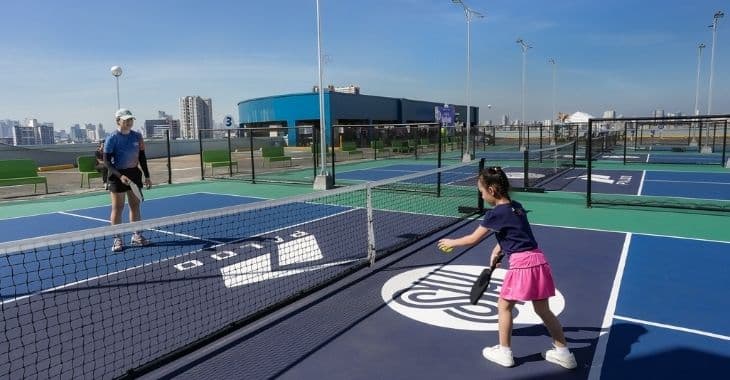
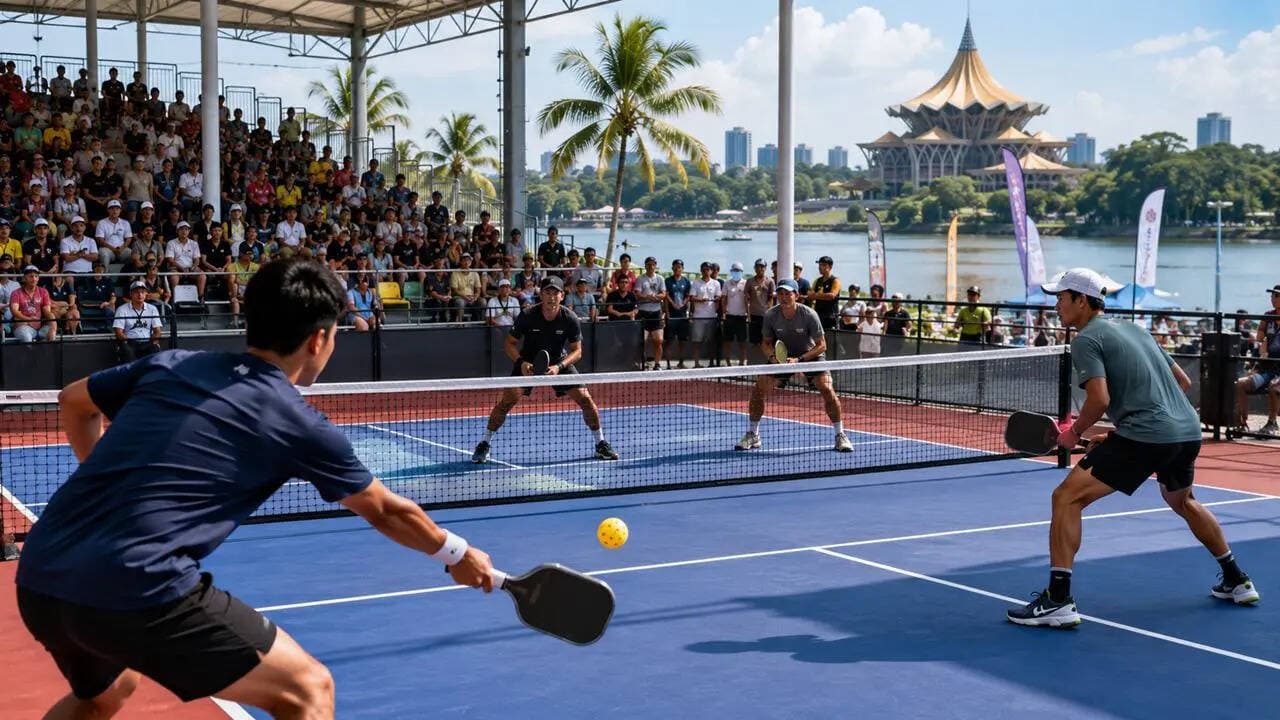
India launches merit-based trials for 2026 Pickleball World Cup team
India’s World Cup path now runs through rankings and age-band trials, with Under-14 to 60+ players chasing spots before Da Nang hosts Asia’s first pickleball World Cup.

India’s road to Da Nang started with a blunt message: reputation would not carry anyone through. The Indian Pickleball Association opened merit-based World Cup trials across age and competitive categories, forcing every hopeful to register through its official structure first, then fight for rankings and a place in the next selection round.
That matters because the 2026 Pickleball World Cup is set for August 31 to September 6 in Da Nang, Vietnam, a tournament Times Now said will bring international pickleball to Asia for the first time. For India, the stakes go beyond one roster. The association is using the World Cup cycle to decide who earns the country’s stage and who is left outside the frame.
The trial pathway was built around Under-14, Under-18, open, 50+ and 60+ divisions, a spread that shows the sport’s growth in India is no longer confined to one age group or one competitive lane. The IPA, which describes itself as the government-recognized national governing body for pickleball in India, says its remit covers player registration, national rankings, tournaments, club affiliation, coach certification and referee training. In other words, the trials were not just a gateway to one event. They were part of a larger effort to make selection feel formal, traceable and earned.
That structure comes with consequences. Players who do not register correctly cannot move into the ranking pathway, and players who miss on the court risk seeing the World Cup door close before it even reaches selection camp. For rising juniors, veteran competitors and open-division regulars alike, the message was clear: this route rewards form, not familiarity.
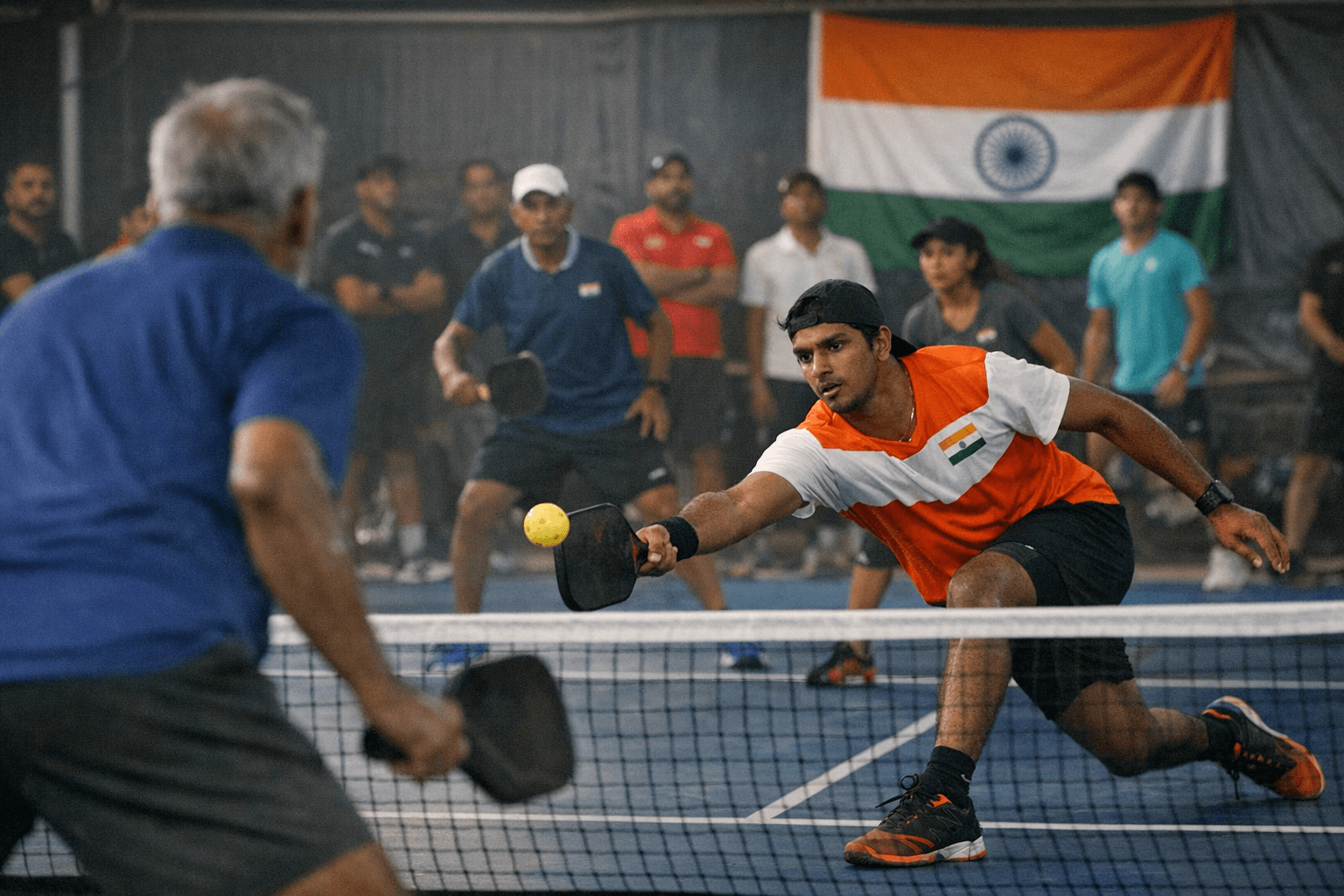
India has already been down a similar road. In 2025, selection trials for the World Cup in Florida drew more than 140 players from Delhi, Maharashtra, Gujarat, West Bengal, Assam, Odisha, Haryana and Rajasthan, and reports described that group as India’s first official national pickleball contingent. That history gives the current process added weight. The country is not improvising a team from scratch anymore. It is trying to build a repeatable pipeline.
Asia’s first World Cup stop is already reshaping the sport’s hierarchy, and India appears determined to arrive in Vietnam with a team chosen by performance rather than assumption. For a country where pickleball still carries the energy of a fast-growing movement, the selection process may prove just as significant as the results in Da Nang.
This article was produced by Prism’s automated news system from verified source data, official records, and press releases, then run through automated quality and moderation checks before publishing. The system is built and supervised by the people who set the standards it runs under. Read our full AI policy.
Did this article answer your question?