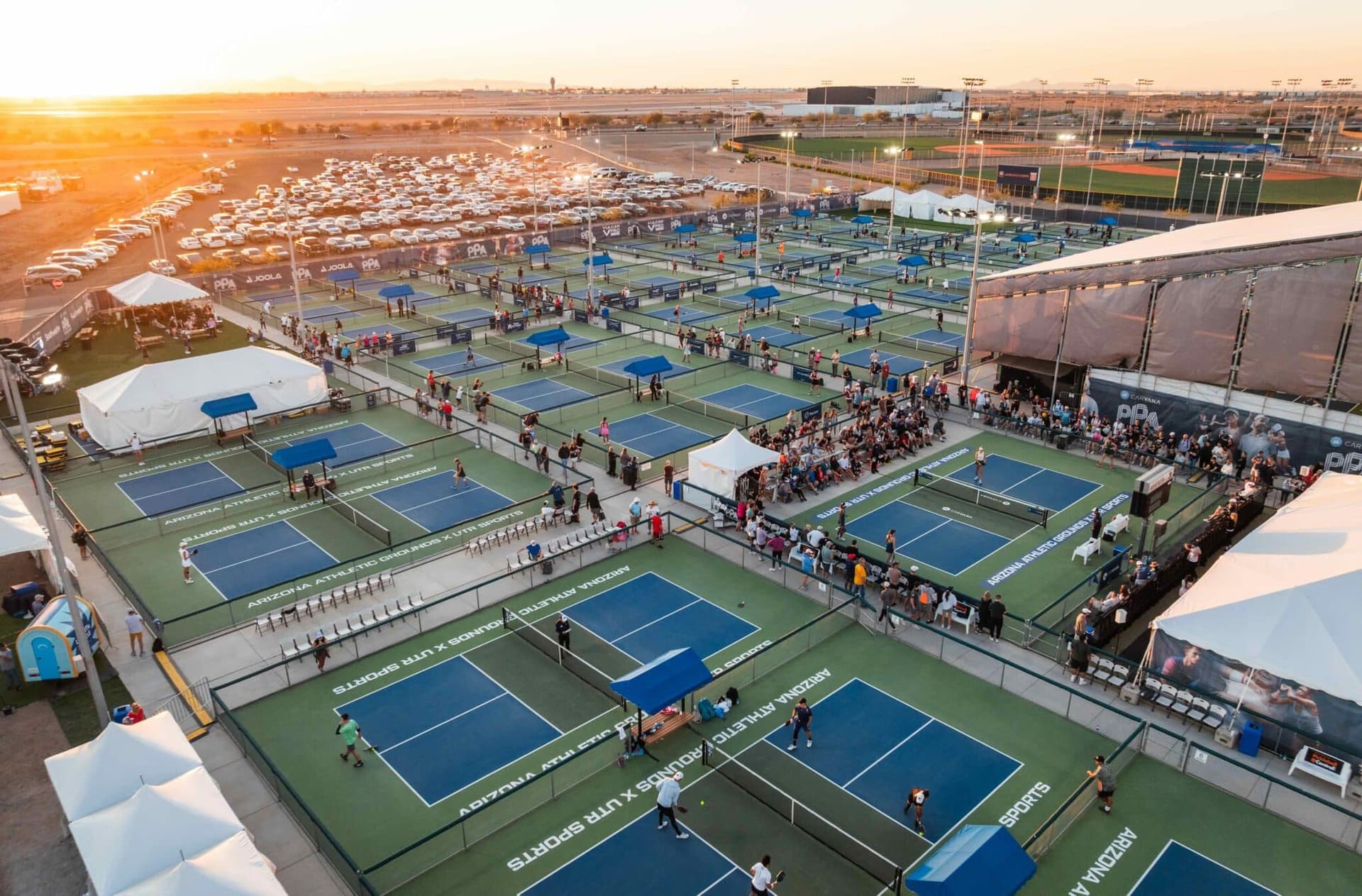
India's pickleball surge rides on teen stars led by Arjun Singh
Arjun Singh’s Naples title is the clearest sign yet that India’s pickleball boom is becoming a medal pipeline, not just a participation story.
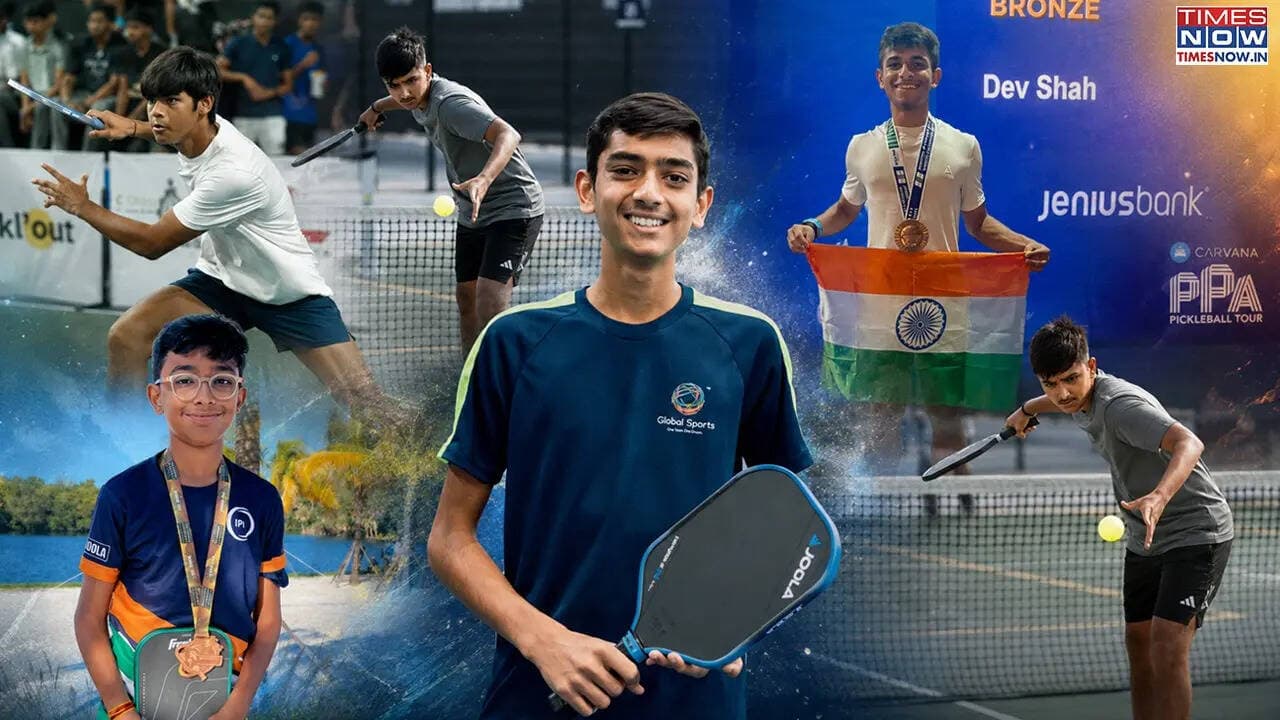
Arjun Singh is turning promise into a benchmark
Arjun Singh has become the face of something bigger than a breakout season. The 16-year-old from Mumbai is no longer just the youngest name in the conversation, he is now one of the results that defines it.
His latest statement came at the US Open Pickleball Championships in Naples, Florida, where he beat Ashton Patterson 13-11, 11-6 to win the men’s singles 5.0 title. That mattered because it showed an Indian teenager taking control on one of the sport’s most visible stages, with the calm of a player who already expects to be there.
The resume behind that win is already unusually deep for someone still in his teens. Arjun was the youngest player signed in the inaugural Indian Pickleball League season in 2025, joining the Bengaluru Blasters, and he has backed that status with a national pro men’s singles title, a pro men’s doubles silver at the IPA Nationals in Bengaluru, a pro men’s doubles title at the Indian Pickleball Open, and a junior boys’ doubles title in Malaysia. India also collected at least three gold medals at the 2026 US Open, including another gold for Dhiren Patel, which underlined that Arjun’s result was part of a broader Indian push rather than a lone flash of form.
Vivan Patel shows the depth behind the headline
The real significance of India’s teenage wave is that Arjun is not carrying it alone. Vivan Patel, also 16, has built his reputation around doubles consistency and the ability to stay composed when the pressure rises, two traits that matter in a sport where a few loose points can erase an entire match plan.
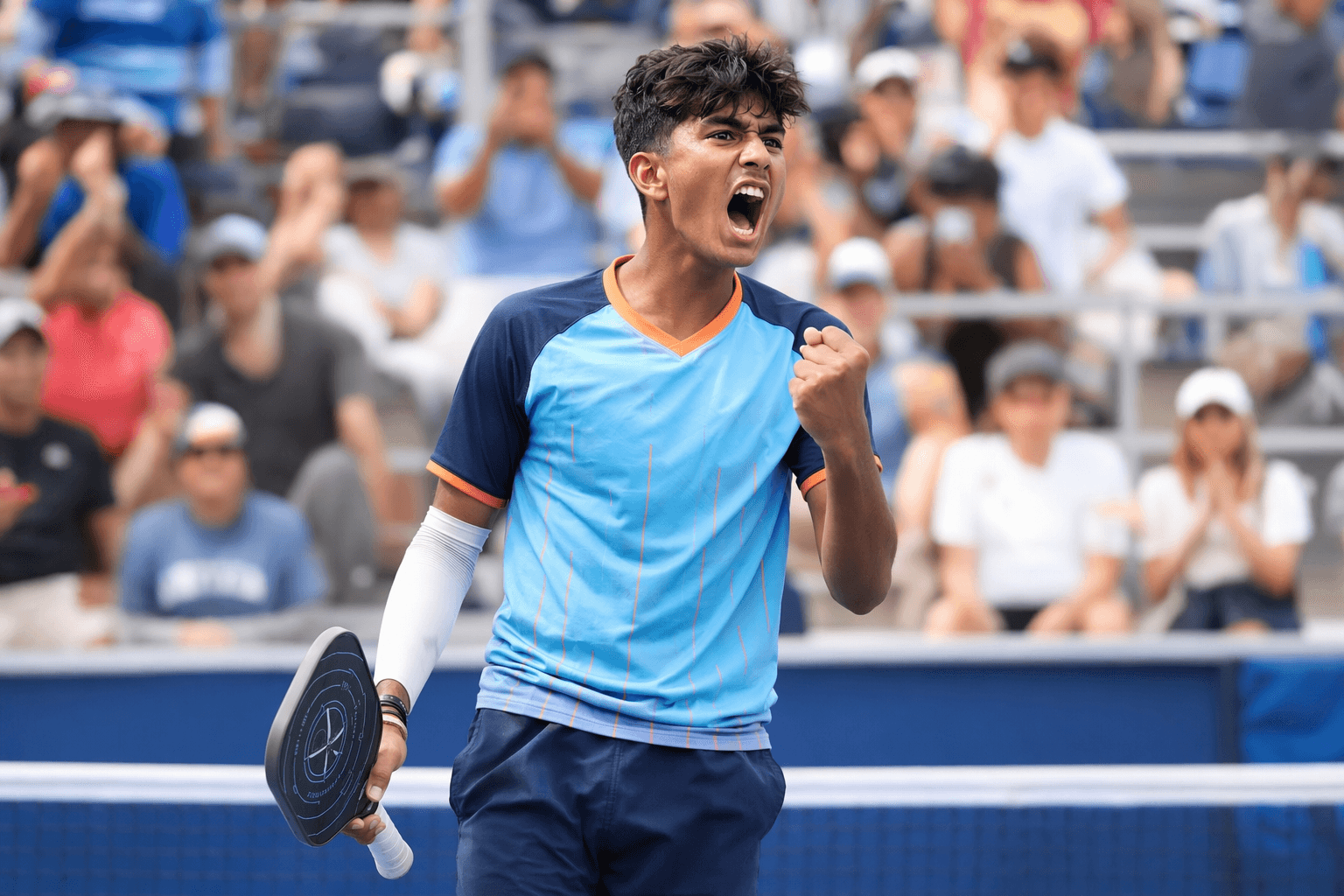
That distinction is important because the story is no longer about one prodigy and a cheering section. The profile of this generation is aggressive, composed and relentlessly eager to improve, which is exactly how a talent base starts to behave when a sport moves from participation to expectation. The country is beginning to produce young players who think in terms of medals, contracts and rankings, not just entry fees and local trophies.
The broader cast of juniors around Arjun and Vivan matters too, because it suggests a pipeline rather than a one-off. When several teenagers are being discussed in the same breath as players capable of winning at home and abroad, the conversation shifts from who is next to how many are coming.
The system around them is getting louder, bigger and more formal
India’s teenage rise is being amplified by a developing support structure that is now impossible to dismiss. The Indian Pickleball Association says it is recognized by India’s Ministry of Youth Affairs and Sports, and it describes a nationwide footprint that includes more than 500 professional players, 100-plus ranking tournaments, more than 50,000 players and coverage across 27 states.
A separate snapshot from the same association points to a smaller base of around 3,000 registered players across 16 states, which still tells the same story from a different angle: the sport is spreading fast enough that the numbers keep changing underneath it. That kind of growth matters because it creates the conditions for juniors to move through a ladder, from local play to ranking events, then into professional and international competition.

The All India Pickleball Association is building its own case that the sport has moved beyond hobby status. It says it has conducted eight national tournaments, two federation cups, three Indian Open tournaments, six national ranking tournaments and two league championships, while also noting that more than 10,000 players are active across India. It also says Team India won four golds and two bronzes at the Asian Open Pickleball Championship in Vietnam in 2024, a result that showed Indian players were already competing for titles in Asia before the latest teen surge became impossible to miss.
The franchise league gives the pipeline a finish line
If the teenagers are the face of the movement, the Indian Pickleball League is the structure that gives it commercial shape. The league says it is India’s first and only national franchise-based pickleball competition, launched by The Times Group and sanctioned by the Indian Pickleball Association.
Its inaugural season ran from December 1-7, 2025 at KD Jadhav Indoor Hall in New Delhi, and it brought six teams into one national showcase: Bengaluru Blasters, Lucknow Leopards, Hyderabad Royals, Capital Warriors Gurgaon, Chennai Super Warriors and Mumbai Smashers. Mumbai Smashers won the first title, beating Hyderabad Royals 5-1 in the final, a scoreline that gave the league an immediate piece of history instead of a soft launch.
That matters for the development story because a league changes the economics of talent. It gives teenagers a visible destination, it gives sponsors a format they can understand, and it gives the national conversation a weekly, franchise-based reference point instead of a scatter of isolated tournaments. Arjun’s rise inside that environment makes India’s pathway look more exportable, because the sport is no longer relying only on scattered clubs or one-off events to produce elite players.
Why India’s rise now looks sustainable, and why Asia should care
The clearest shift is that India is beginning to convert participation into consequence. A country that can point to a recognized association, multiple tournament structures, a franchise league and teenagers winning in Malaysia, Vietnam and the United States is no longer talking about future potential in the abstract.
That is where the wider Asian significance comes in. Pickleball power in Asia will increasingly belong to the countries that can produce a repeatable pipeline, not just occasional standouts, and India is now building the kind of system that can travel. The combination of junior medals, pro titles, league exposure and official recognition gives its players a path that can be measured, funded and replicated.
Arjun Singh is the most visible proof, but not the only one. His Naples victory, his domestic titles and his early league exposure show what happens when a teenage player grows up inside a sport that is starting to think like an elite ecosystem. If India keeps producing players like him and Vivan Patel, the country’s pickleball story will no longer be about catching up to Asia. It will be about helping set the pace.
This article was produced by Prism’s automated news system from verified source data, official records, and press releases, then run through automated quality and moderation checks before publishing. The system is built and supervised by the people who set the standards it runs under. Read our full AI policy.
Did this article answer your question?