Indonesia Pickleball Federation targets growth amid padel boom
Pickleball's new boss wants more players fast, but padel already has 50-plus Jakarta courts, a Surabaya expansion and licensed coaches coming in 2026.
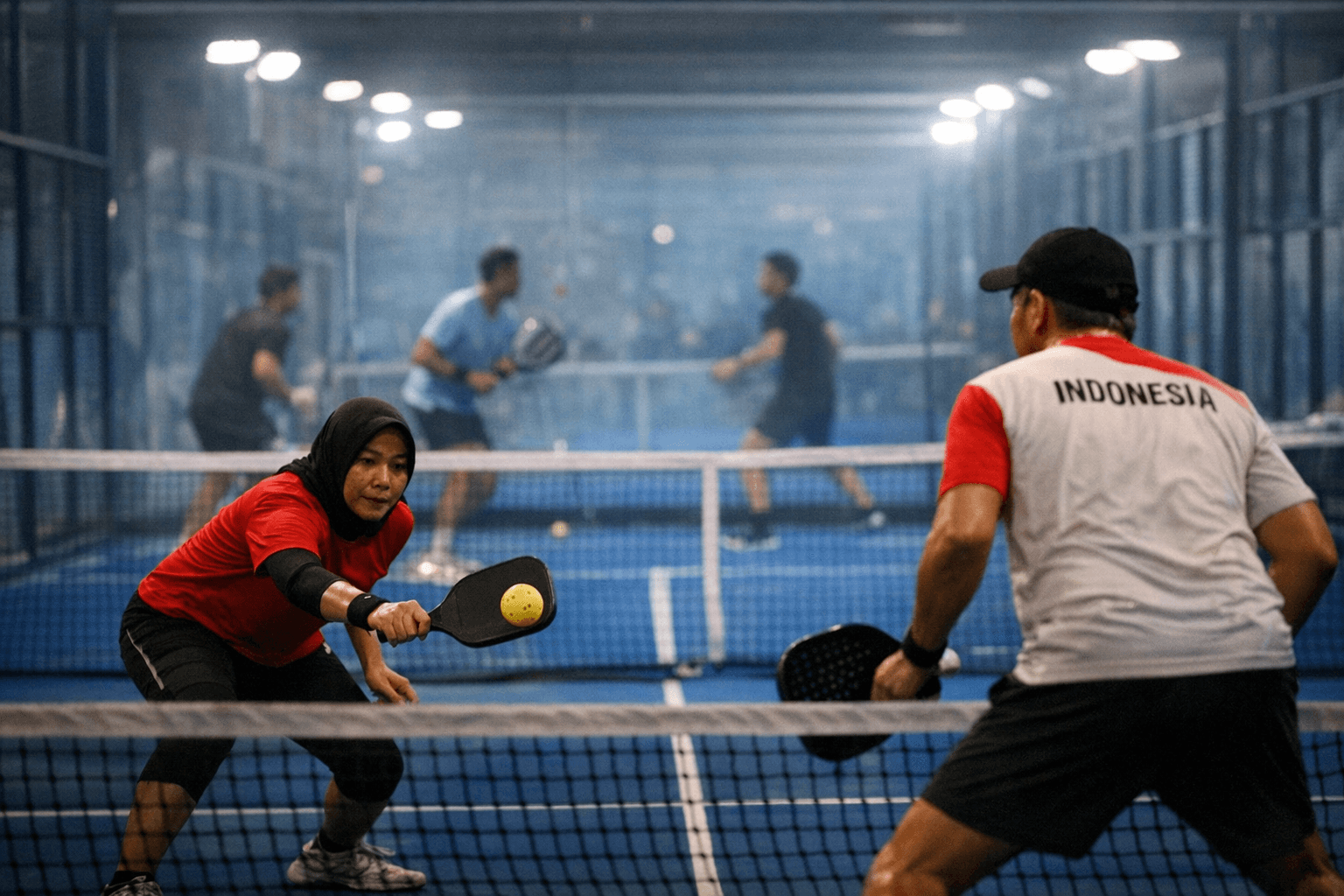
Muhammad Nazaruddin’s unanimous election as chairman of the Indonesia Pickleball Federation at the March 31 Munas in ARTOTEL Gelora Senayan gave pickleball a clear mandate, and a clear deadline: build a deeper athlete pool fast enough to keep pace with padel’s surge. Nazaruddin said the federation wants to push development and coaching into the regions because international tournaments are already waiting, a reminder that relevance in Indonesia is now being measured not by ambition alone, but by how quickly the sport can turn scattered interest into a national pipeline.
That challenge looks even sharper when set against padel’s head start. Dito Ariotedjo has described padel as a fast-growing social sport, and the scale is already visible in the infrastructure: ANTARA reported more than 50 padel courts in Jakarta alone, with new venues spreading to cities including Surabaya. Graha Padel Club in Surabaya opened with four premium courts and planned to expand to 10, including a main court built to international standards. In early 2026, CNA reported that Indonesia would produce its first batch of internationally licensed padel coaches and referees this year, which means padel is not just growing in volume, it is building the staff and structure that usually separate a fad from a durable sports market.
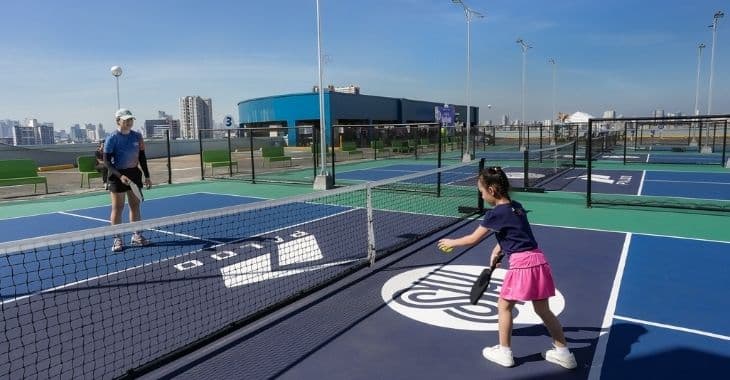
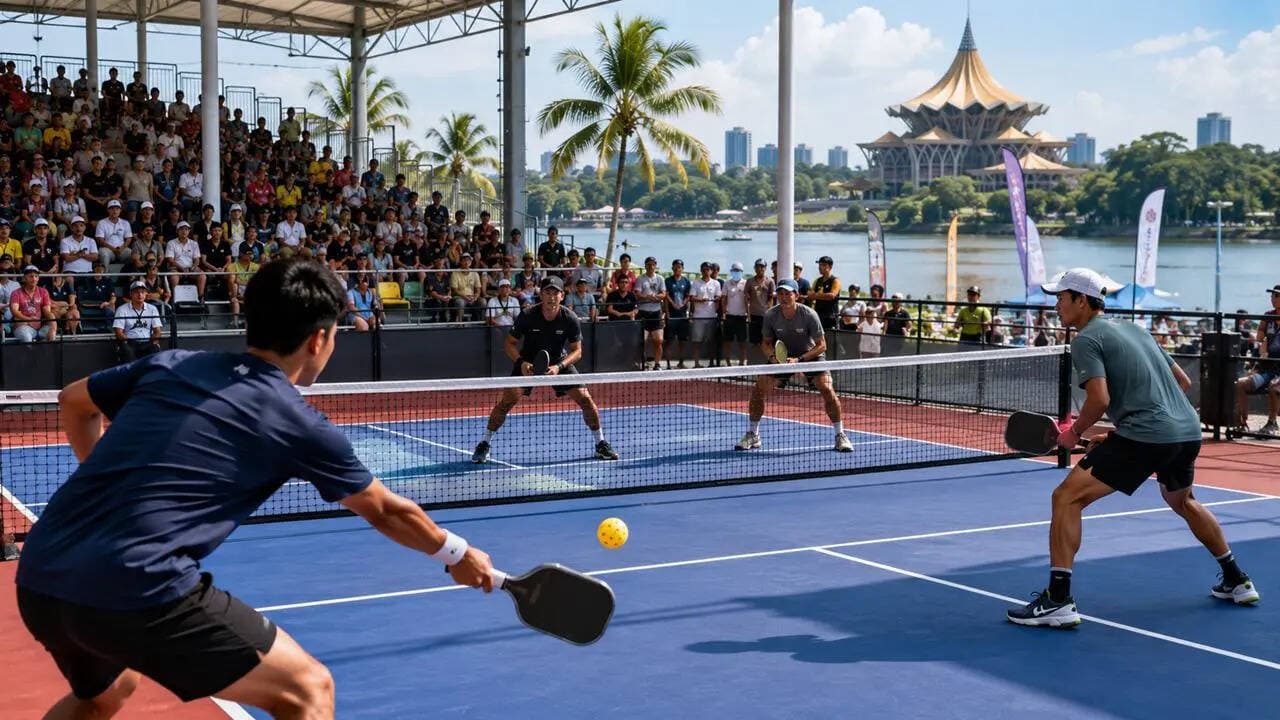
Pickleball still has a plausible growth story of its own. The Sports Ministry says the sport has been in Indonesia since 2019, and Dito has argued it fits a country that already loves racket sports because it blends badminton, tennis and table tennis, with a court size similar to badminton. He has also said Indonesia could send athletes if pickleball is staged as an exhibition sport at the 2028 Olympics, which gives the federation a concrete target beyond domestic expansion.
The real race, then, is not just padel courts versus pickleball clubs. It is whether IPF can translate Nazaruddin’s five-year term into coaching depth in the regions, enough local tournaments to harden players, and enough club growth to keep the talent pipeline from thinning out while padel claims the premium urban space. Padel already has the courts, the coaches and the social momentum. Pickleball now has to prove it can build athlete depth before that boom becomes the default racquet-sport story in Indonesia.
This article was produced by Prism’s automated news system from verified source data, official records, and press releases, then run through automated quality and moderation checks before publishing. The system is built and supervised by the people who set the standards it runs under. Read our full AI policy.
Did this article answer your question?