Ipoh pickleball noise dispute ends, indoor court ordered after settlement
Ipoh’s settlement keeps pickleball alive by moving it indoors, a blueprint built around noise control, court placement and city approvals.

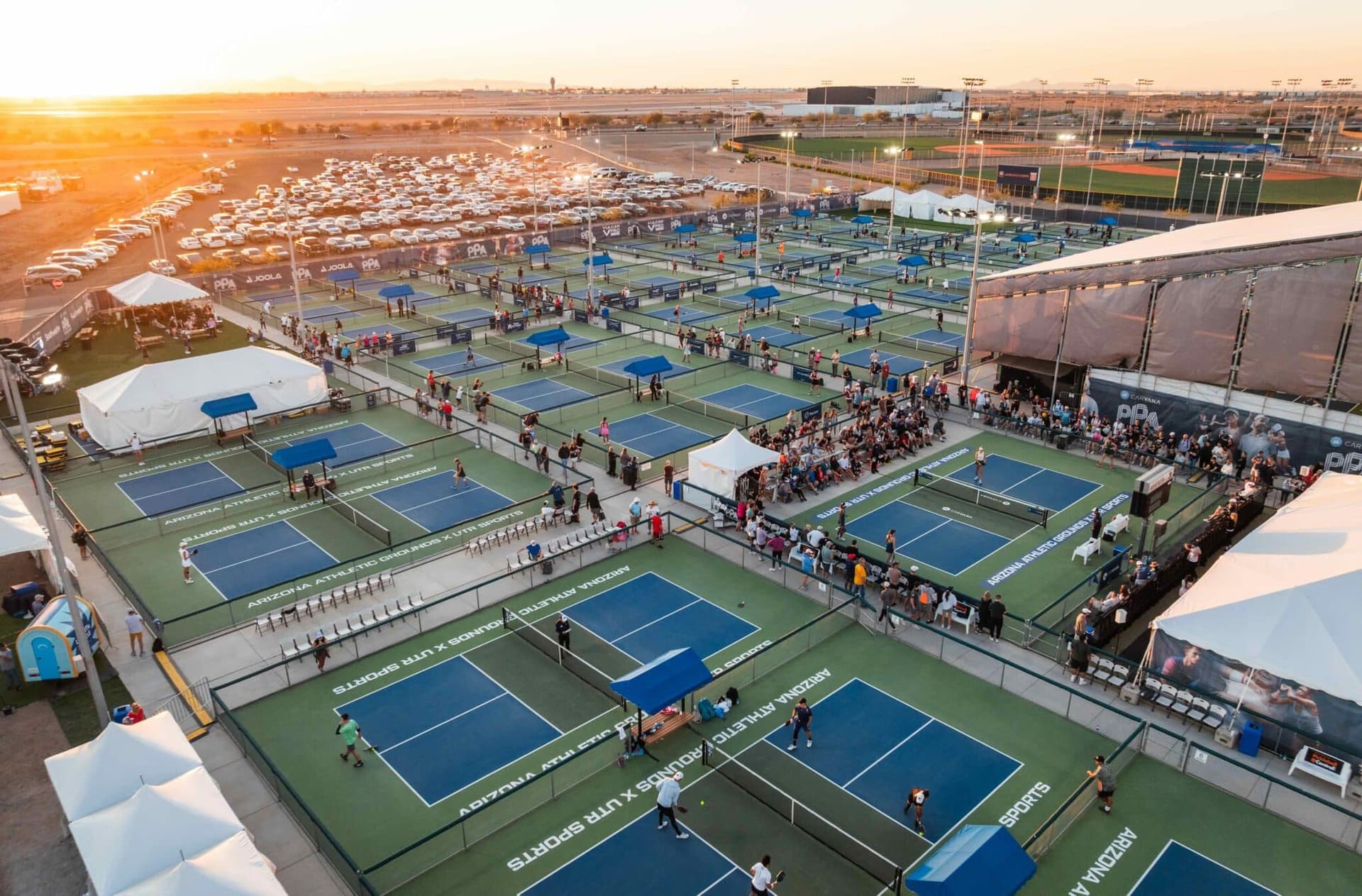
An Ipoh homeowner has turned a noisy outdoor pickleball dispute into a template for the sport’s next phase in Asia: if the game is going to keep spreading through packed neighborhoods, it may have to move under a roof.
The Ipoh High Court recorded a consent judgment before Judge Moses Susayan on May 14, with Cheang Phoy Ken and the Ipoh Swimming Club settling a suit over noise from an open-air court in Perak. The agreement bars open-air or outdoor pickleball in the area adjoining Cheang’s home and requires the club to propose and proceed with an indoor facility at the designated site, subject to approvals from the relevant authorities, including the environment department. If the club breaches the deal and allows outdoor play again, Cheang may start fresh legal proceedings. Both sides will bear their own legal costs.

The terms matter because the complaint was never only about one court. Cheang said players used the court daily from 7 a.m. to 10 p.m. and described the facility as fully booked, arguing that the noise caused a continuous nuisance that left him with physical discomfort, mental stress and emotional distress. His case also sought damages for loss of amenity, anxiety and medical expenses, and he had pushed for an interim injunction to stop open-air play while the suit was pending.
That makes the settlement more than a local truce. It is a practical answer to the question now facing dense Asian cities: where does pickleball go when the sport’s boom runs into housing lines, parking limits and neighborhood tolerance? The Ipoh deal points toward a familiar compromise for clubs and planners, one that favors indoor courts, better acoustics and clearer operating rules over the easy but contentious use of open land.
The same pressure is already visible elsewhere. Singapore logged 701 pickleball noise complaints in HDB estates from January 2024 to August 2025, according to ministerial remarks by Chee Hong Tat. In Mountbatten, residents tried quieter “silent pickleball” in January 2026 with foam balls, while town councils across the city-state responded with shorter court hours, noise reminders and requests for more considerate play.
Kuala Lumpur has felt the ripple too. In Taman Tun Dr Ismail, residents objected in February and March 2026 to proposed pickleball courts on noise and parking grounds, showing that the Ipoh dispute sits inside a wider regional pattern. The sport’s rise has been fast, but the message from Ipoh is even faster to read: expansion now depends not just on demand, but on whether clubs can design courts that neighbors can live with.
This article was produced by Prism’s automated news system from verified source data, official records, and press releases, then run through automated quality and moderation checks before publishing. The system is built and supervised by the people who set the standards it runs under. Read our full AI policy.
Did this article answer your question?