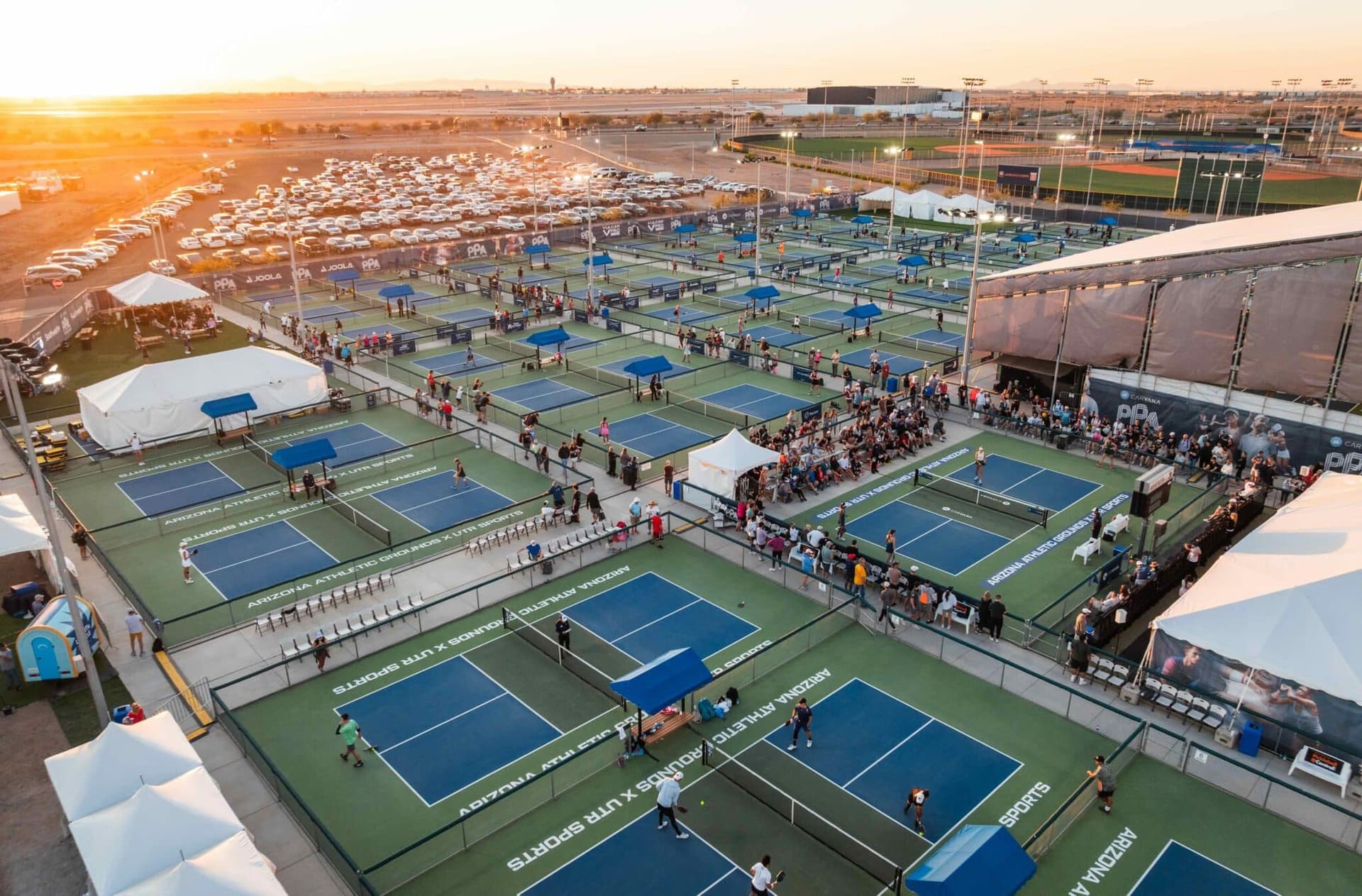
Japan unifies pickleball governance under single national body Pickleball Japan
Japan finally has one pickleball roof. Pickleball Japan now controls the pathway for rankings, national teams, sanctioned events and sponsorship.
Japan’s pickleball split is over, and that changes everything. With Pickleball Japan now the country’s single national body, the route for rankings, national-team selection, tournament sanctioning and sponsor alignment finally runs through one doorway instead of two.
The merger between the Japan Pickleball Association and the Pickleball Japan Federation was signed on March 13, took effect on April 14, and was publicly rolled out on April 10. Pickleball Japan says the deal was reached on an equal basis, a telling detail after a long stretch of administrative confusion that left players, clubs and organizers navigating parallel structures.
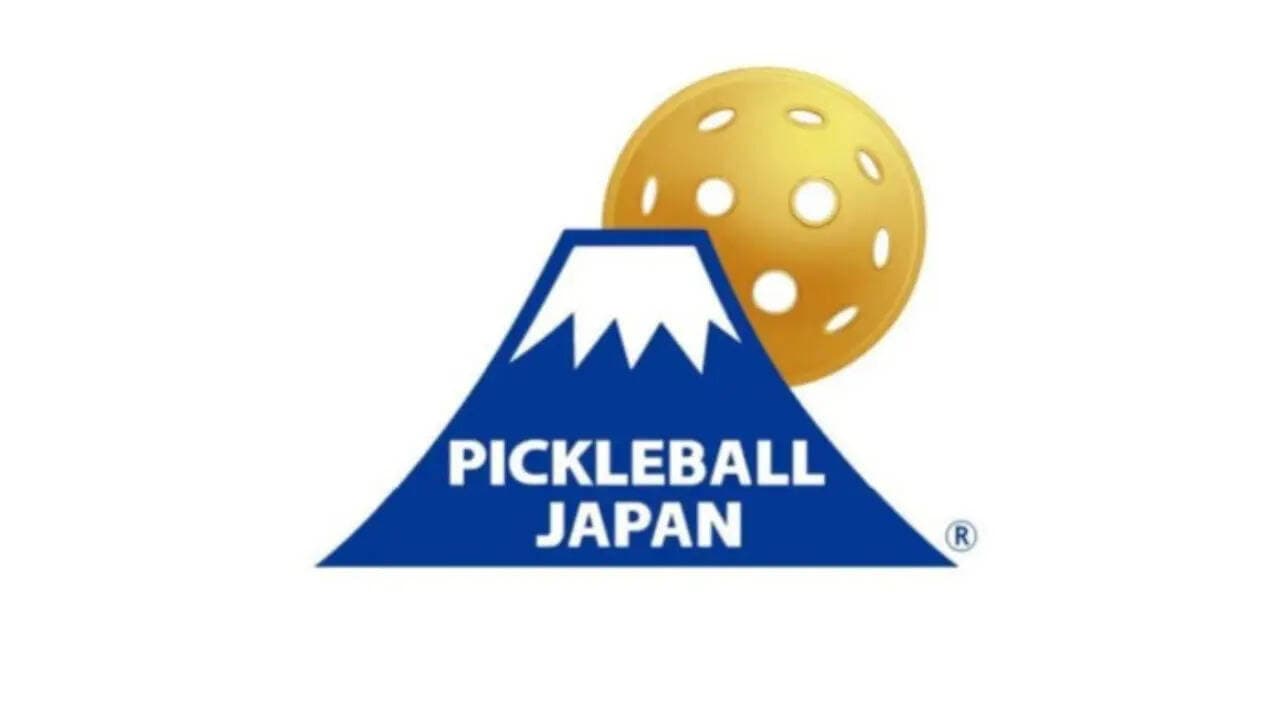
The new setup gives Japan something the sport has lacked in one of Asia’s most important markets: clarity. Pickleball Japan’s leadership list names Rika Riordan as chairperson, Shigeru Nishigami as vice chairperson and Gaku Koizumi as secretary general. The organization also says its new logo blends the existing PJF logo with JPA colors, a small but deliberate signal that this is a merger, not a takeover.
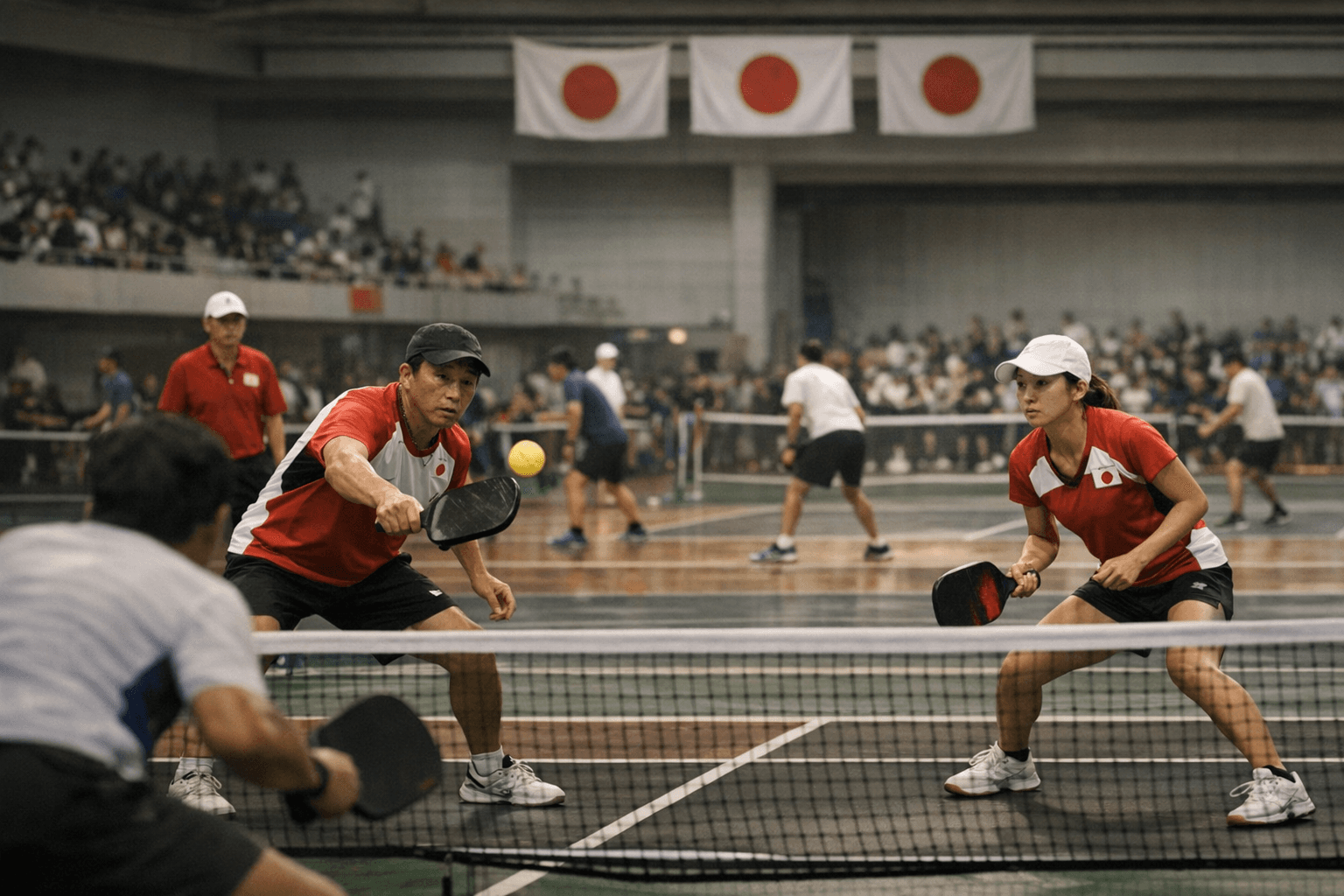
That matters far beyond office politics. When two bodies compete for authority, athletes can be left wondering which rankings count, which events are sanctioned and who actually speaks for Japan on the international stage. A single federation makes it easier to build coherent national teams, line up domestic tournaments, and present one face to global tour operators and international governing bodies. In a region where the fastest-growing pickleball markets are moving with one clear chain of command, Japan’s reset finally puts it in the same lane.
Pickleball Japan says its priorities now are straightforward: build national governance, deepen ties with international federations, strengthen national tournaments, develop players and push regional growth. The group also says its 2026 tournament and qualification plans will be respected under the new structure, a sign that the merger is being managed to avoid disrupting events already on the calendar.
Riordan’s own path gives the story some texture. She has said she founded the Japan Hawaii Pickleball Association and later the Pickleball Japan Federation after being inspired by pickleball in Hawaii, and she has framed the merger as a long-awaited milestone for Japanese players. Separate reporting has tied the unification to hopes of eventual Olympic recognition, including Brisbane 2032, which turns this from an administrative cleanup into a strategic play for the sport’s future.
The Global Pickleball Federation already lists Japan among its Asian member countries, so the merger plugs Japan into an existing international framework rather than asking it to build one from scratch. For a sport still defining its hierarchy in Asia, that kind of clean federation structure is not paperwork. It is the foundation for everything that comes next.
This article was produced by Prism’s automated news system from verified source data, official records, and press releases, then run through automated quality and moderation checks before publishing. The system is built and supervised by the people who set the standards it runs under. Read our full AI policy.
Did this article answer your question?