Malaysia warns of rising pickleball injuries amid sport boom
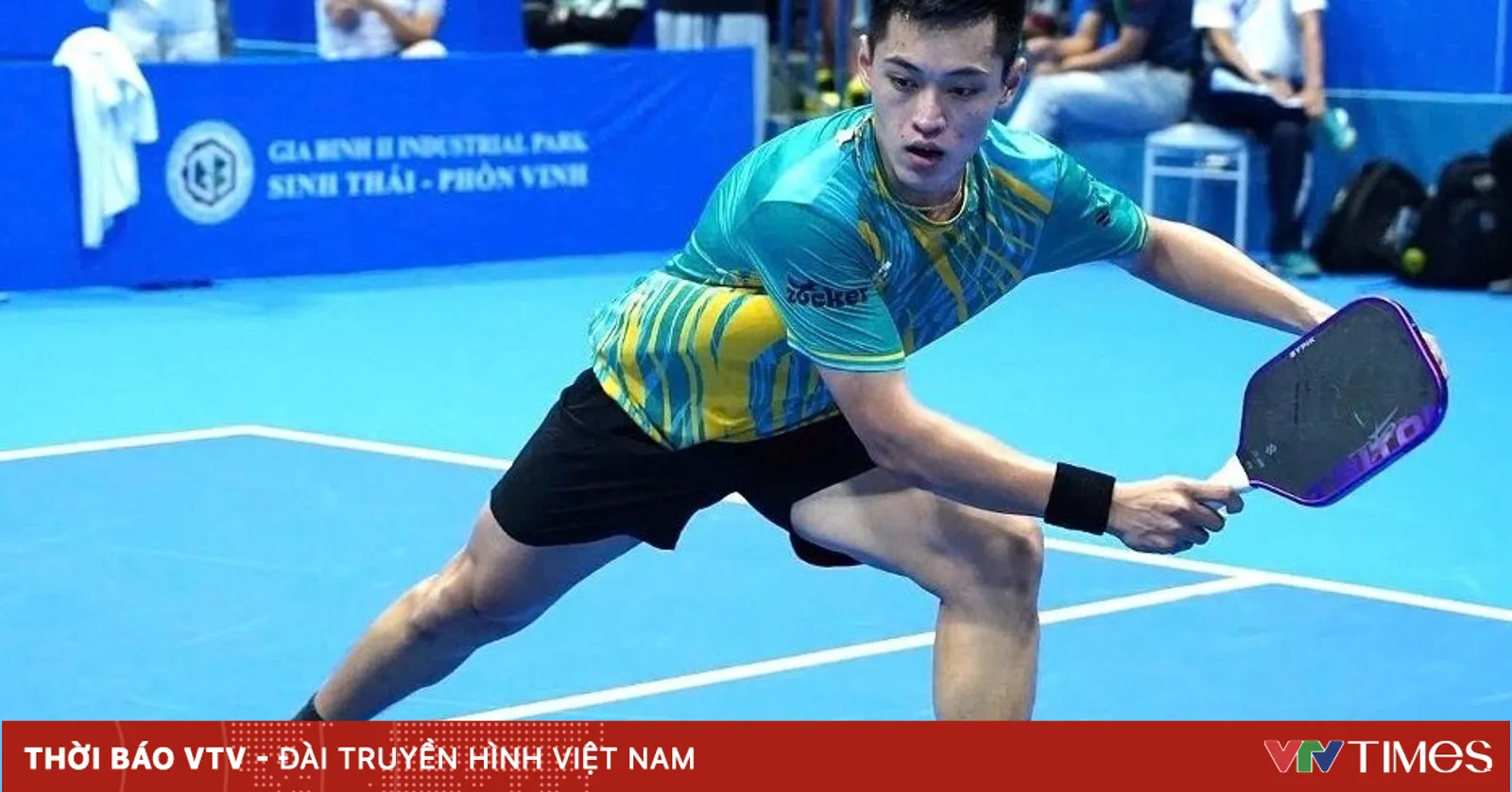
Malaysia’s pickleball boom has a harder edge: as courts fill up, doctors are warning of preventable injuries from players who are not conditioned for the sport’s pace.
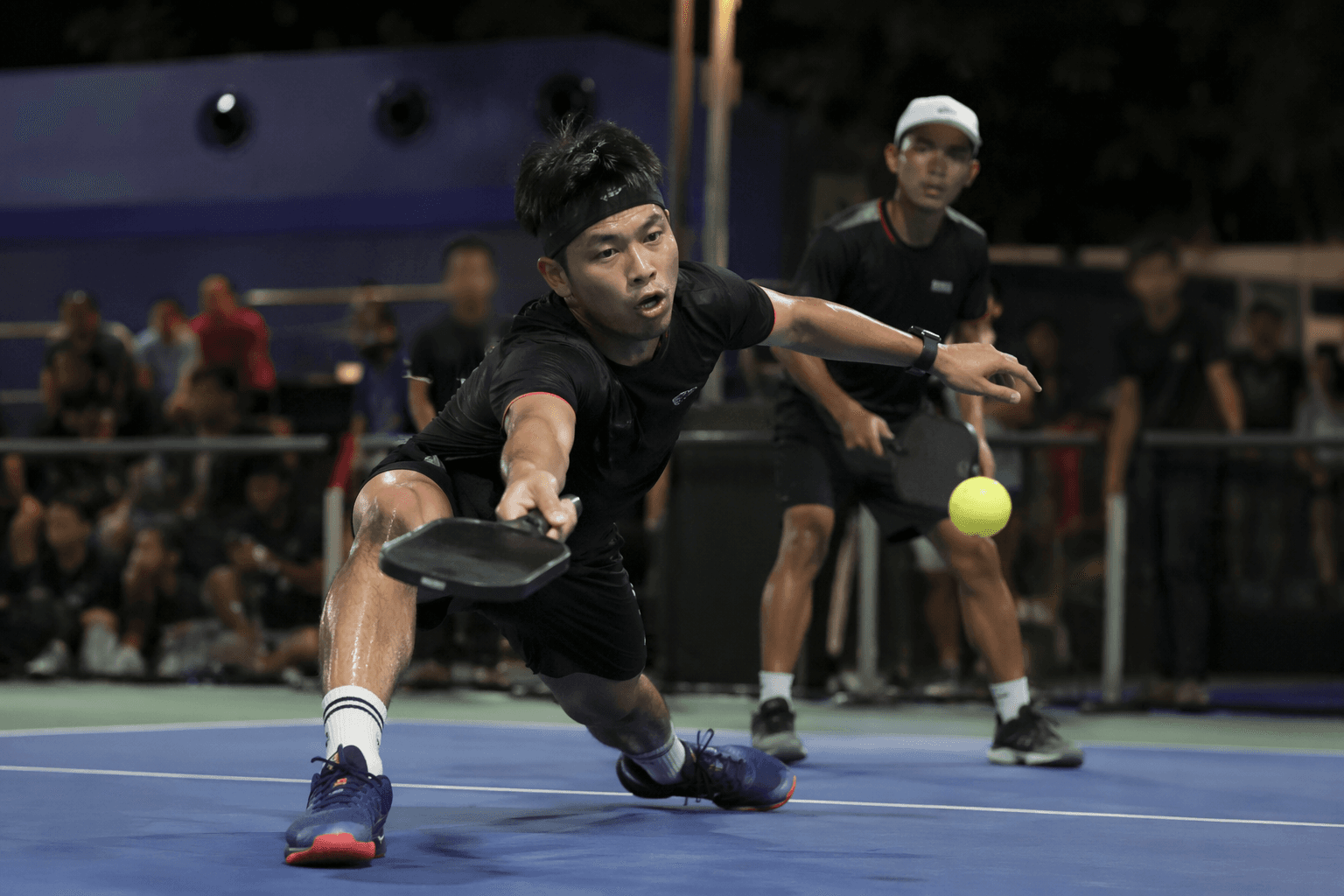
The same boom filling courts across Malaysia is now sending more players to injury clinics. As pickleball has moved from a casual pastime into a faster, more competitive sport, Universiti Teknologi Malaysia sports science senior lecturer Dr Hadafi Fitri Mohd Latip said sports medicine practitioners are seeing a clear surge in injuries locally and globally, a warning that cuts through the sport’s beginner-friendly image.
That tension is easy to see in Malaysia’s recent pickleball surge. Bernama reported in March 2026 that the sport, created in 1965 as a casual family game, had evolved into a much quicker and more demanding version, exposing a “dark side” for players who were not physically prepared. The concern is not limited to pickleball alone. The latest reporting ties the same injury pattern to padel, futsal and HYROX, all of which demand repeated sprints, quick directional changes and a level of conditioning many newcomers underestimate.
The risks have already shown up in harder ways. On December 3, 2025, Bernama reported that a 32-year-old man died in Kuala Lumpur after falling from the third floor while trying to retrieve a pickleball during a game. The tragedy underscored how quickly an emerging sport can move beyond routine strains and into serious safety failures when play, facilities and judgment are not matched by proper safeguards.
Malaysia’s rapid adoption has been visible for months. The Star reported in August 2025 that pickleball had become a court-crowding craze in Petaling Jaya, where weekend demand was already pushing playing spaces to capacity. Earlier, in June 2025, Bernama said pickleball could be included as a demonstration sport at SUKMA Selangor 2026, but also noted that only Selangor, Sarawak, Perak and Penang had the necessary infrastructure and more active participation. That gap matters: a sport can grow faster than its coaching, court standards and injury-prevention habits.
The warning now facing clubs and organizers is straightforward. If Malaysia wants pickleball to keep expanding without turning enthusiasm into avoidable harm, the next phase has to be about warm-ups, load management, better conditioning and smarter coaching, not just more courts and more entries. Dr Hadafi’s message reflects a bigger test for Asia’s fastest-growing racket sport: growth is no longer the challenge. Safe growth is.
This article was produced by Prism’s automated news system from verified source data, official records, and press releases, then run through automated quality and moderation checks before publishing. The system is built and supervised by the people who set the standards it runs under. Read our full AI policy.
Know something we missed? Have a correction or additional information?
Submit a Tip