PCL Asia Rising Stars Grand Finals builds youth pickleball pathway in Hainan
Hainan’s five-day Rising Stars finals were more than a youth bracket. They showed how Asia is building a true pickleball pipeline, from junior promise to pro-ready standards.
.jpg&w=1920&q=75)
A U-19 championship built like a pathway, not a novelty
The PCL Asia Rising Stars Grand Finals in Hainan were not staged like a one-off youth exhibition. They were built as the official under-19 championship of Pickleball Champions League Asia, which makes the event a sorting ground for the region’s next serious players rather than a side attraction. With juniors coming from nine countries and living together at the Holiday Inn Resort Qionghai Guantang, the message was clear: this is about identifying talent and preparing it for what comes next.
That distinction matters in Asian pickleball, where many junior systems still stop at participation. Rising Stars is designed to show players what a professional environment looks like, how cross-border competition feels, and how high the standard rises once the sport moves beyond local age-group events. In a region chasing depth, not just headlines, the Grand Finals functioned like a first real test of who can handle a pathway that leads toward national-team consideration, pro-tour opportunities, and scholarship attention.
Nine countries, one early filter for Asia’s best juniors
The draw pulled together players from across the region, including the Philippines, Malaysia, China, and India. That kind of field does more than create a medal race. It turns the tournament into a regional benchmark, because juniors are no longer being measured only against peers from their own city or country, but against the pace, discipline, and shot-making emerging elsewhere in Asia.
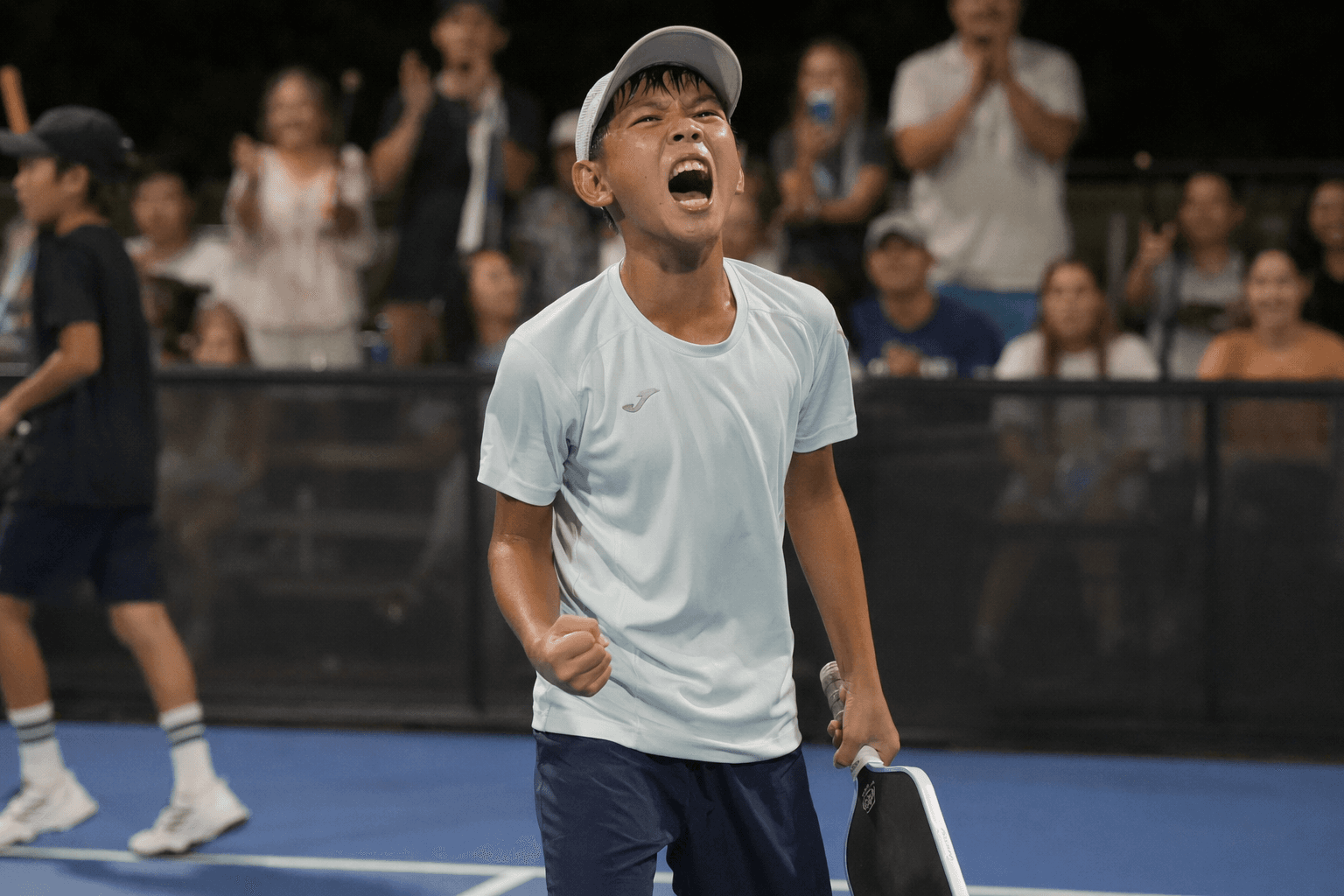
That cross-border mix is part of what gives Rising Stars its value. For a young player, a strong week in Hainan can matter more than a stack of local wins because it signals how that athlete performs when the level is compressed and the environment gets more serious. For coaches and selectors, the event becomes an early filter, a place to spot which juniors can absorb pressure, adjust to unfamiliar opponents, and carry themselves like future representatives of a national program.
What the five-day format reveals
The Grand Finals ran for five days, from April 1 to April 5, 2026, and that timing is part of the story. A short bracket can crown a winner; a five-day event can reveal a player. Endurance, recovery, and the ability to stay sharp over repeated sessions all become part of the evaluation, which is exactly what higher levels of the sport demand.
The hotel setup at the Holiday Inn Resort Qionghai Guantang reinforced that point. Housing the field together creates the kind of immersion junior athletes rarely get in more fragmented domestic systems, where players often arrive for matches and leave without much of a shared competitive atmosphere. Here, the event was framed as a full environment, not a quick check-in-and-check-out tournament.
Why immersion is the real infrastructure
The strongest youth systems in any sport do more than hand out trophies. They create routines, standards, and reference points, and that is what Rising Stars appears to be building for pickleball in Asia. The official U-19 label matters because it gives juniors a clear ladder, while the professional setting shows them what that ladder is meant to lead toward.
That is the infrastructure piece many Asian junior systems still lack. Too often, young athletes can play plenty of matches without ever seeing the broader ecosystem that sits above them. In Hainan, the tournament connected the dots between grassroots play and the region’s pro structure, giving players a direct look at the expectations that come with higher-level competition.
Why Hainan is a signal, not just a location
The venue and hotel environment in Hainan were not incidental details. They signaled a deliberate choice to stage youth development with the same seriousness usually reserved for adult events, which is how a sport begins to mature. When juniors are placed in a world-class setting, the standard shifts from simply competing to learning how to operate inside a professional culture.
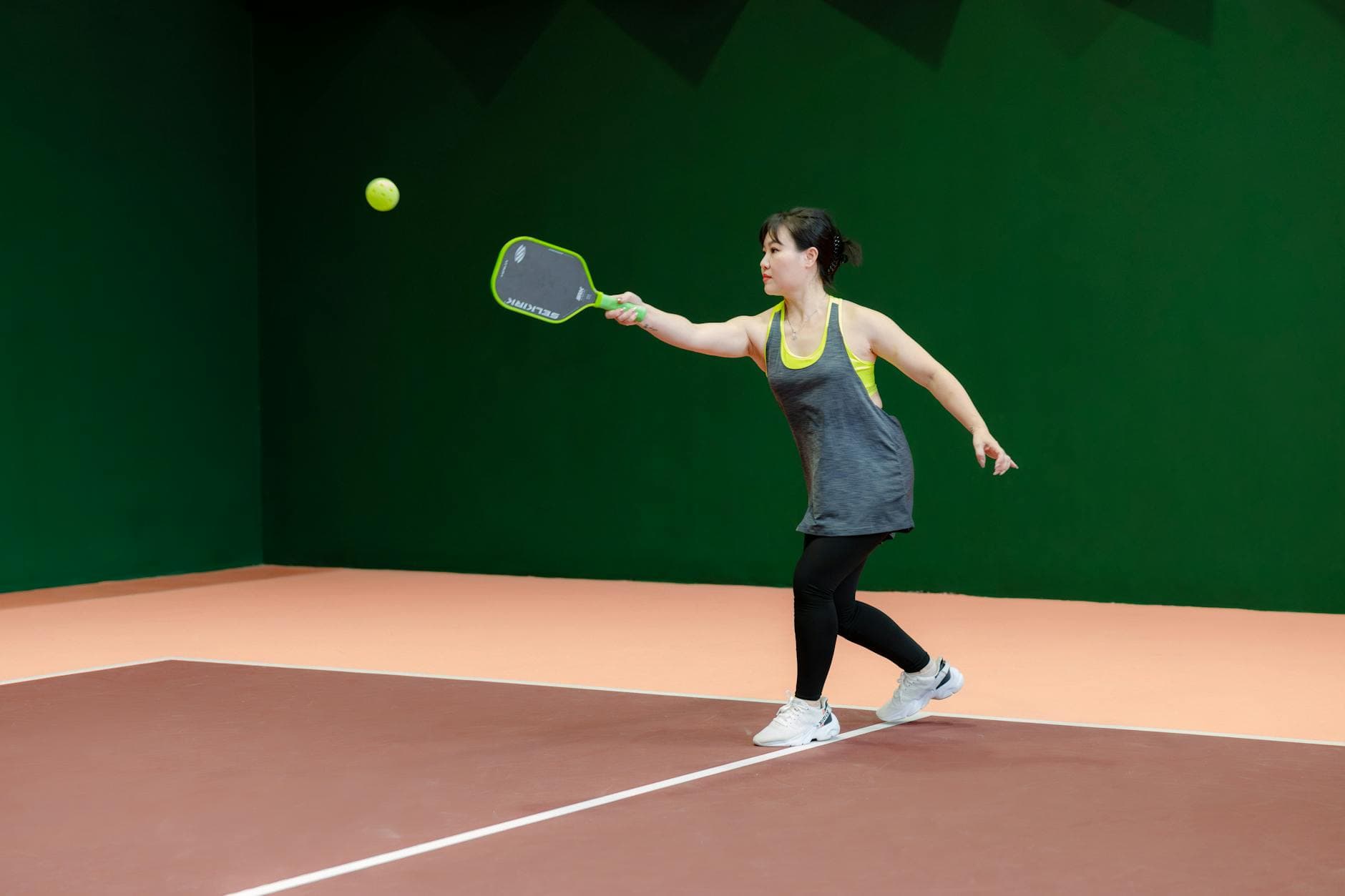
That matters for Asia because the region’s pickleball growth has been driven less by tradition than by opportunity. The faster the sport expands, the more important it becomes to define pathways early, before talent disperses or stalls. Rising Stars does that by making the route visible: start at the junior level, prove yourself against regional peers, and enter an environment that looks and feels like the next rung of the sport.
The bigger payoff for Asian pickleball
The real significance of the Grand Finals is not only that it produced a champion. It is that it helped normalize the idea that youth pickleball in Asia should be organized around advancement, not just participation. A system that can gather nine countries, host athletes for five days, and immerse them in a professional-grade setting is already operating differently from most junior structures on the continent.
That is why Rising Stars reads like a turning point. It is one of the clearest examples of how Asian pickleball is building its future from the bottom up, with junior competition serving as the first meaningful checkpoint on the way to national teams, pro tours, and the next generation of scholarships and elite pathways. In Hainan, the sport did not just showcase its youngest players. It showed them where the road leads.
Know something we missed? Have a correction or additional information?
Submit a Tip