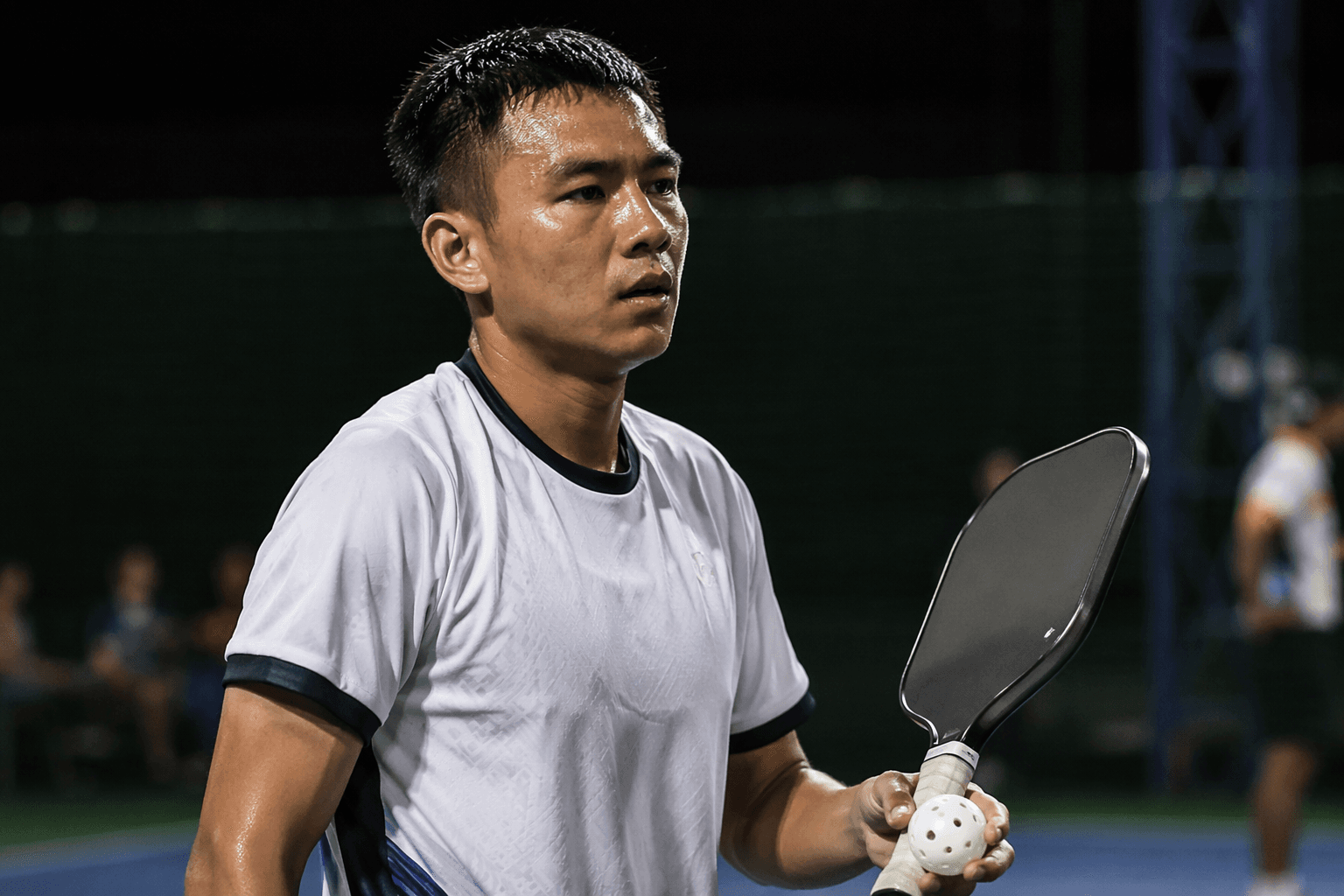
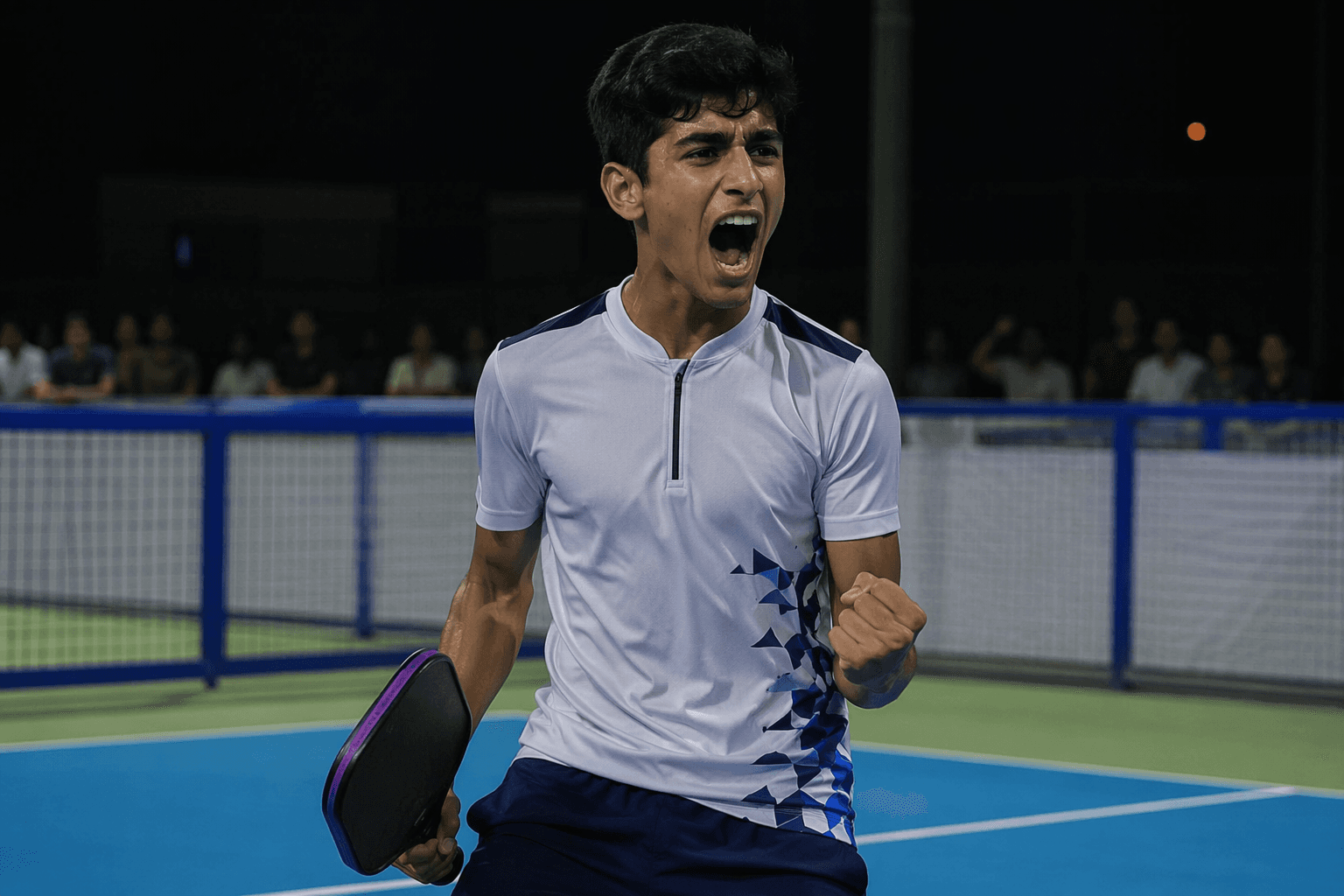
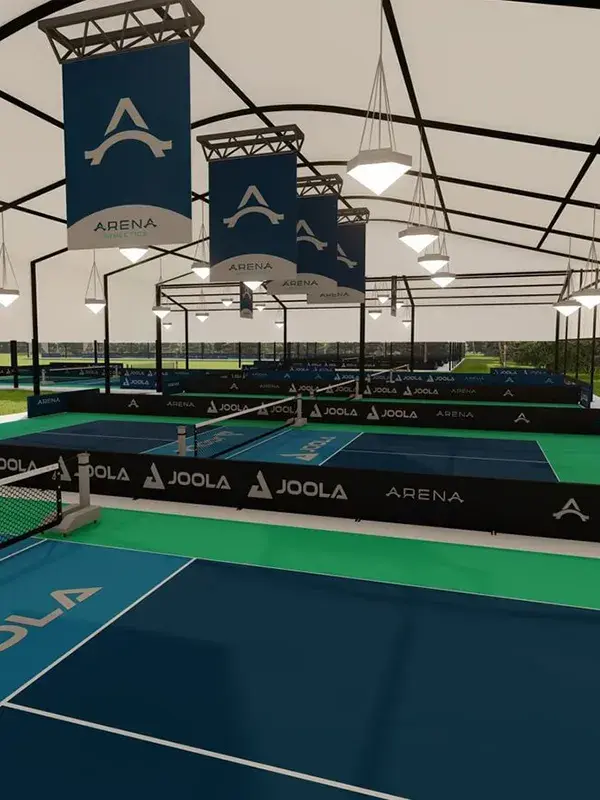
Philippines pickleball boom draws packed clinics and eager players
Packed clinics and humid arenas show Philippine pickleball is growing through energy, coaching demand and club depth, not just court totals.
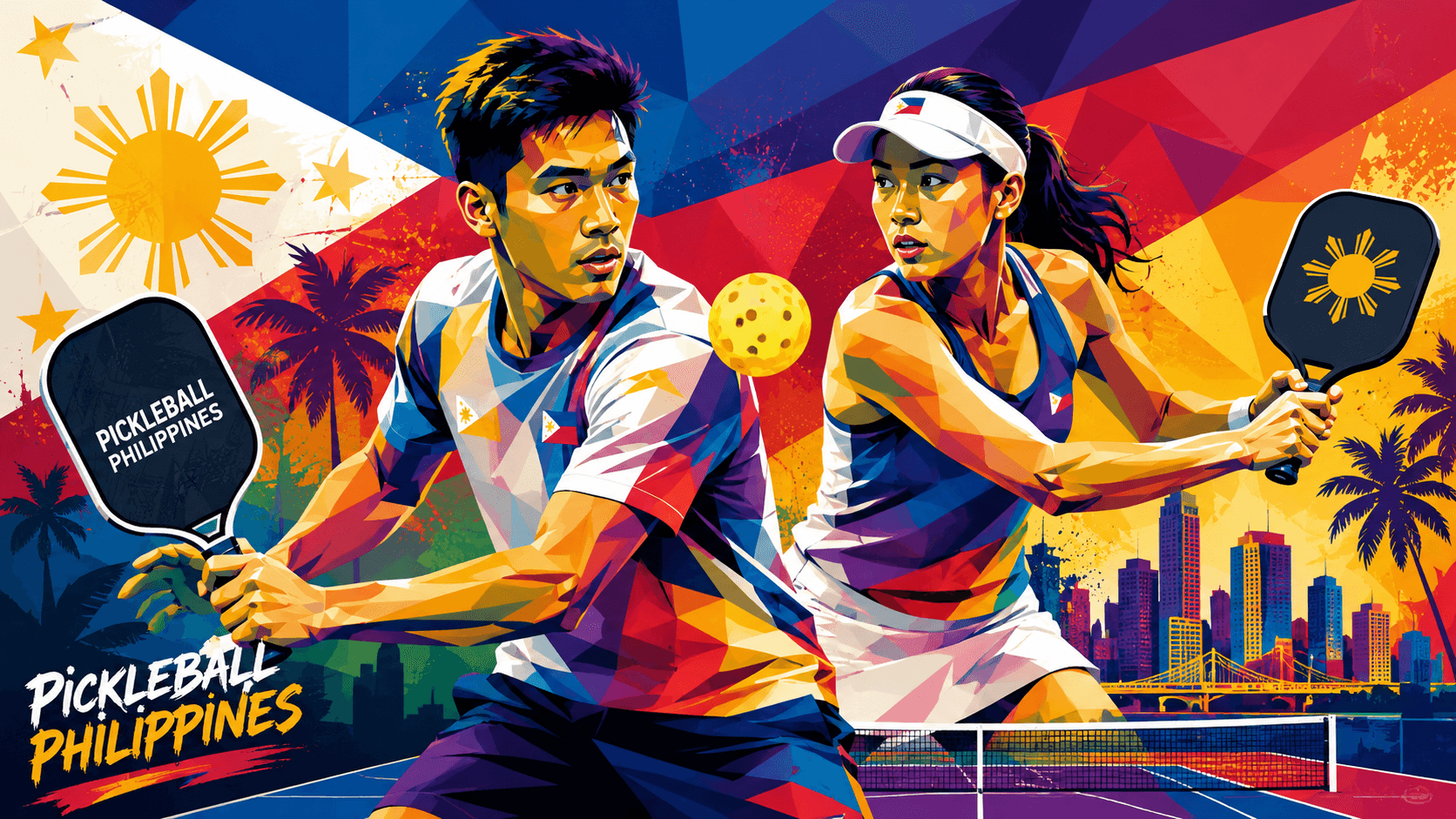
The loudest number in Philippine pickleball is not a court count. It is the crowd count. Packed clinics, overflowing events and players who keep showing up in punishing humidity tell a sharper growth story than any simple tally of facilities, because this is a sport that already feels wanted.
Kevin Dong’s trip through Manila, Dumaguete, Cebu and Davao showed exactly that. He and James Ignatowich expected a developing scene and instead found something that already looked organized, hungry and self-sustaining, with players treating every clinic like a chance to level up rather than a novelty to sample once.
Cebu is where the base was built
The Philippines’ pickleball origin story runs back to Cebu in February 2016, and one account places the first organized entry in Barangay Subangdaku, Mandaue, where visiting players including Sara Ash and Doug Keener introduced the game. That matters because the current boom is not happening in a vacuum. It is the product of nearly a decade of steady local uptake, and the early start helps explain why the sport now has more than just casual curiosity behind it.
The club count shows how quickly that base has widened. Rappler reported 123 pickleball clubs in 2024, while more recent Philippine coverage puts the nationwide total at more than 320 registered clubs. That kind of jump is not just growth on paper. It means the sport is no longer confined to a small set of early adopters in Cebu or Manila. It is spreading into a national network that now has to think about coaching, scheduling, competition and governance all at once.
The scene is bigger than the scoreboard
In Cebu, more than 50 players turned out for a clinic and stayed for hours of technical instruction, questions and drills. That number is the tell. In a sport still fighting for attention in many Asian markets, a room full of players eager to break down backhand flicks, transition play and dinking patterns says the audience has moved beyond first contact. They are not asking whether pickleball is worth trying. They are asking how to get better.
That appetite for instruction is also what makes the Philippines different from more mature markets. In North America, the battle is often about keeping up with demand. In the Philippines, the challenge is still about access: finding quality coaching, building enough courts, and creating pathways that turn enthusiasm into durable participation. The growth model is less about elite polish and more about how often people are willing to show up, learn and come back for more.
Davao showed the ceiling is still rising
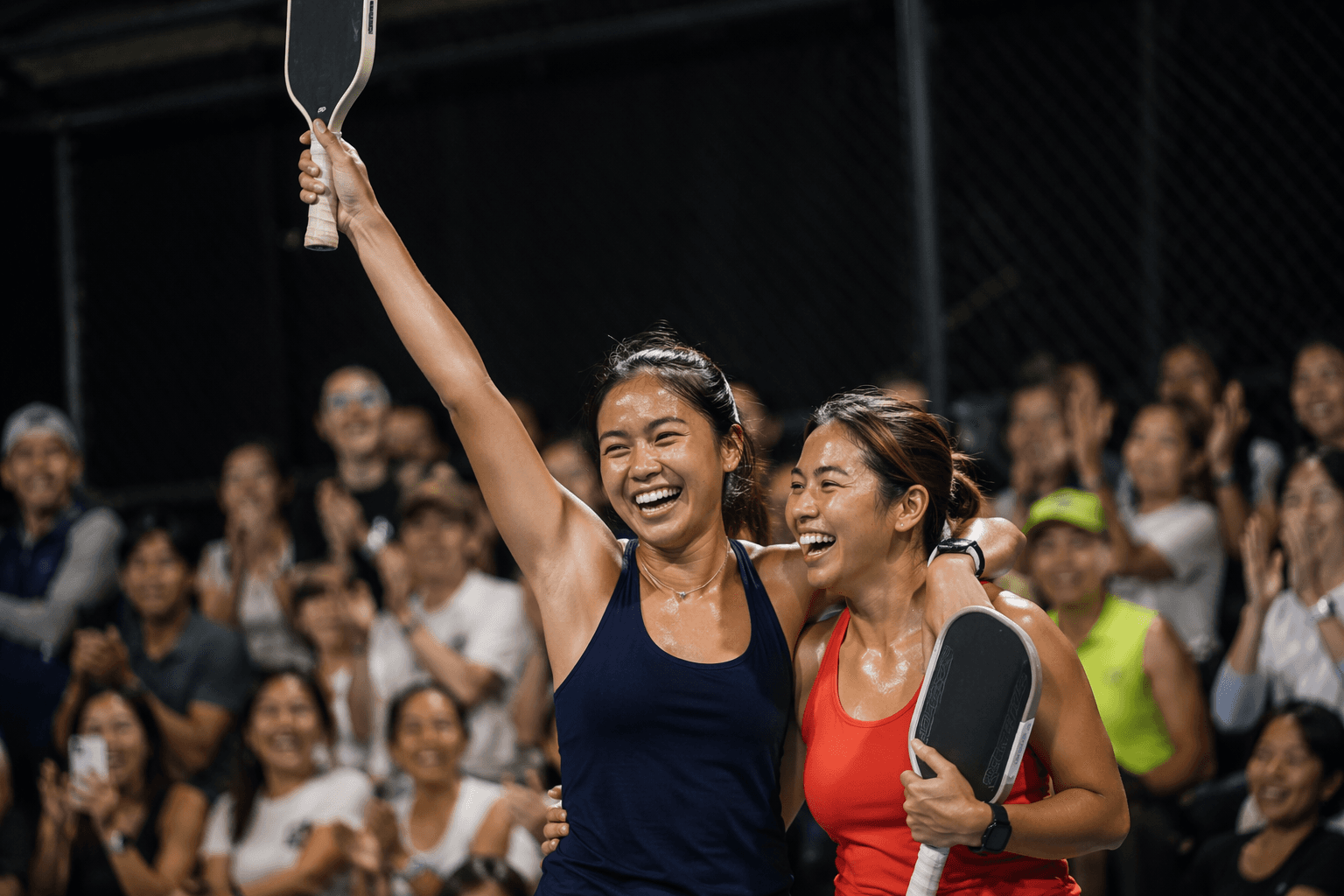
No stop captured the scale of that energy better than Davao. An estimated 600 spectators watched a professional tournament there, and the atmosphere was intense enough to surprise even seasoned players. The conditions were harsh, with limited ventilation, little or no air conditioning and heavy humidity, but the crowd did not thin out. That is a meaningful signal. Casual interest disappears when the room gets uncomfortable. Serious interest stays.
Dong’s own routine in Davao was a small portrait of the environment. He rotated through multiple shirts, kept hammering electrolytes and used ice just to stay functional through clinics and competition. That is not a lifestyle detail. It is proof that the local appetite is strong enough to pull players and fans through conditions that would empty out weaker scenes. When people stay in the room anyway, the sport has traction.
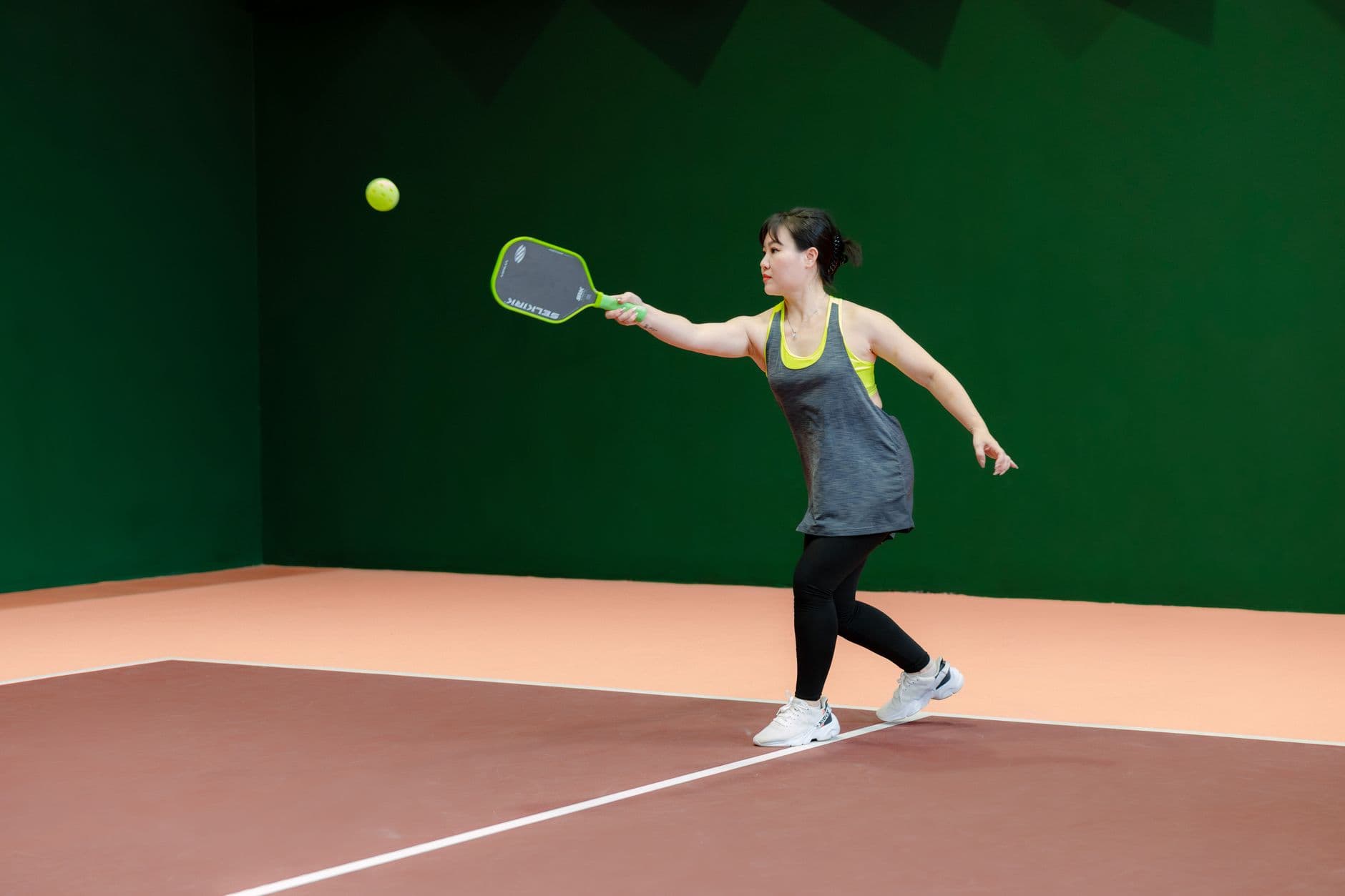
The demand for higher-level teaching is part of the same picture. Filipino players leaned into demonstrations of backhand flicks, transition patterns and dinking because high-level coaching is still relatively limited. Every visiting pro has an outsized effect. Every clinic can change how a local group trains for the next month, the next season or the next tournament.
The sport is becoming a national system
The infrastructure around the game is catching up. The Philippine Pickleball Sports Association was established on April 15, 2019, then later began doing business as the Philippine Pickleball Federation. The federation says it was recognized by the International Federation of Pickleball as the national sports association for the Philippines, and in February 2026 it announced a unified national framework designed to professionalize the sport and sustain growth.
That framework matters because it moves pickleball from loose community energy toward an actual national structure. The federation says it operates an official player registry, the Philippine Pickleball Player Registry, and describes tools that include a club directory, a queue system and a scorer system. Taken together, those pieces suggest the sport is shifting from informal pickup culture to an ecosystem that can support rankings, events and more consistent development.
What the region can learn from the Philippine model
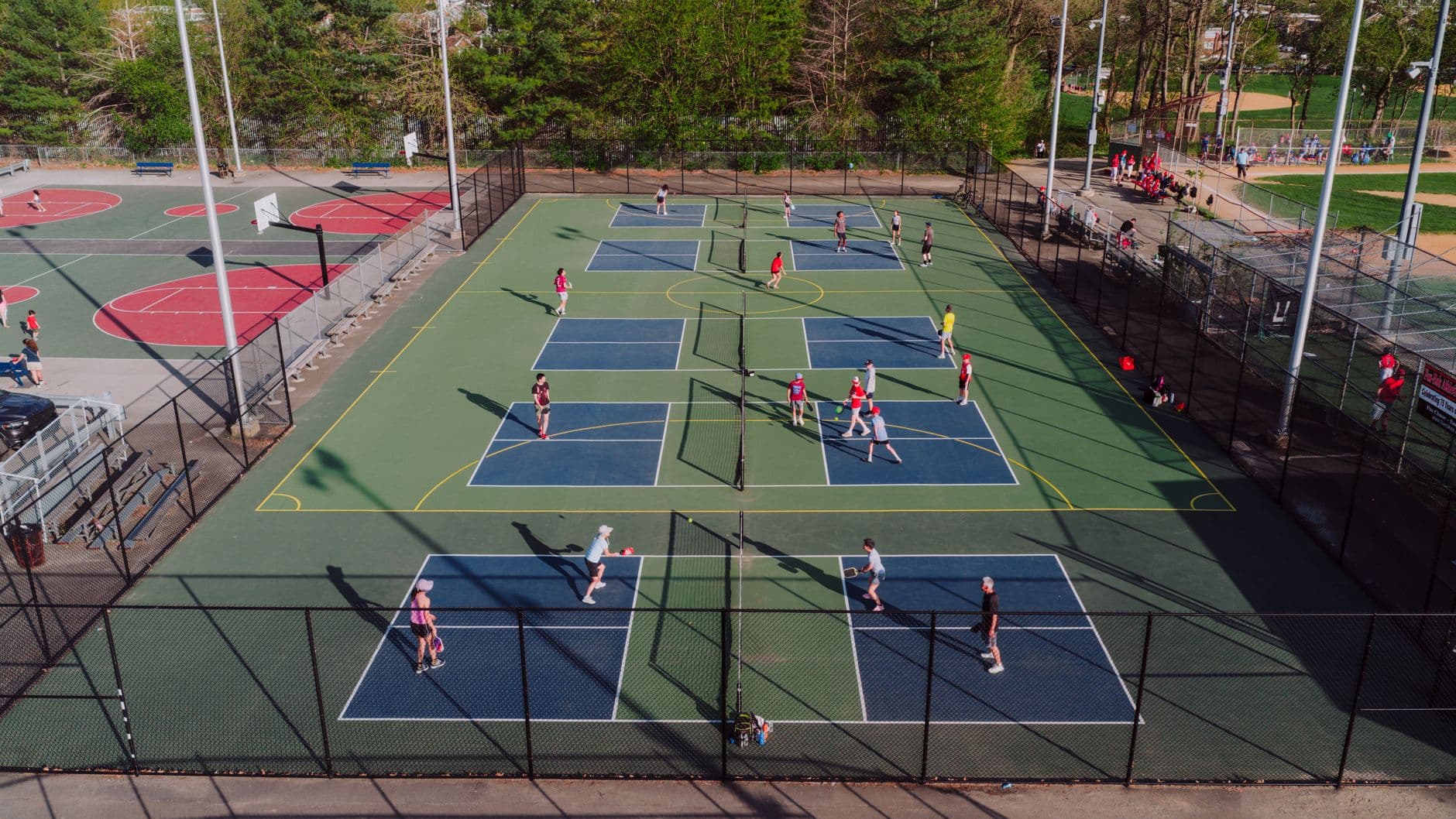
The Philippine example is useful precisely because it is not built on court counts alone. It is built on atmosphere, accessibility and community energy, then reinforced by clubs, federation systems and city-level events. That is a different kind of growth from markets that lean first on real estate or marquee facilities. The lesson for Asia is that a sport does not become durable when it merely adds venues. It becomes durable when it creates habits.
Dumaguete is a good example of that next layer. Rappler has reported that a summer clinic helped turn the city into a pickleball hotspot, with a grassroots program for young athletes building since 2024. Davao has also moved into the civic calendar, with the Philippine Pickleball League’s Mindanao Open 2026 billed as the biggest Philippine pickleball tournament to date across eight days of play, and the Duaw Davao Festival launching its first-ever pickleball tournament in June 2026. That is how a boom stops being a trend and starts becoming part of public life.
The Philippines is not at the beginning anymore, but it is still early enough that every clinic, every city tournament and every federation update still feels consequential. That is why the boom reads differently here: it is not just expanding, it is forming a culture in real time.
This article was produced by Prism’s automated news system from verified source data, official records, and press releases, then run through automated quality and moderation checks before publishing. The system is built and supervised by the people who set the standards it runs under. Read our full AI policy.
Know something we missed? Have a correction or additional information?
Submit a Tip