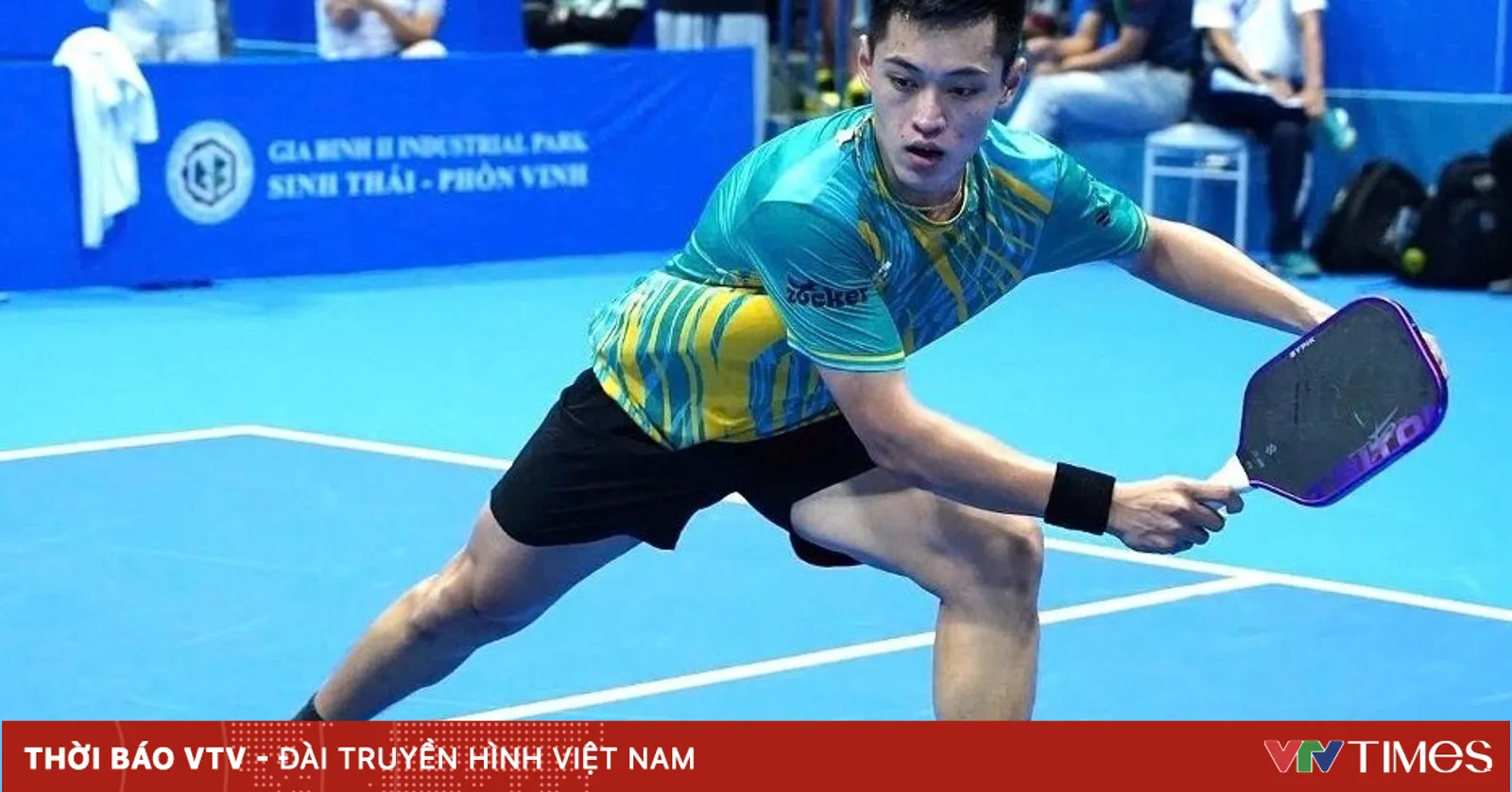
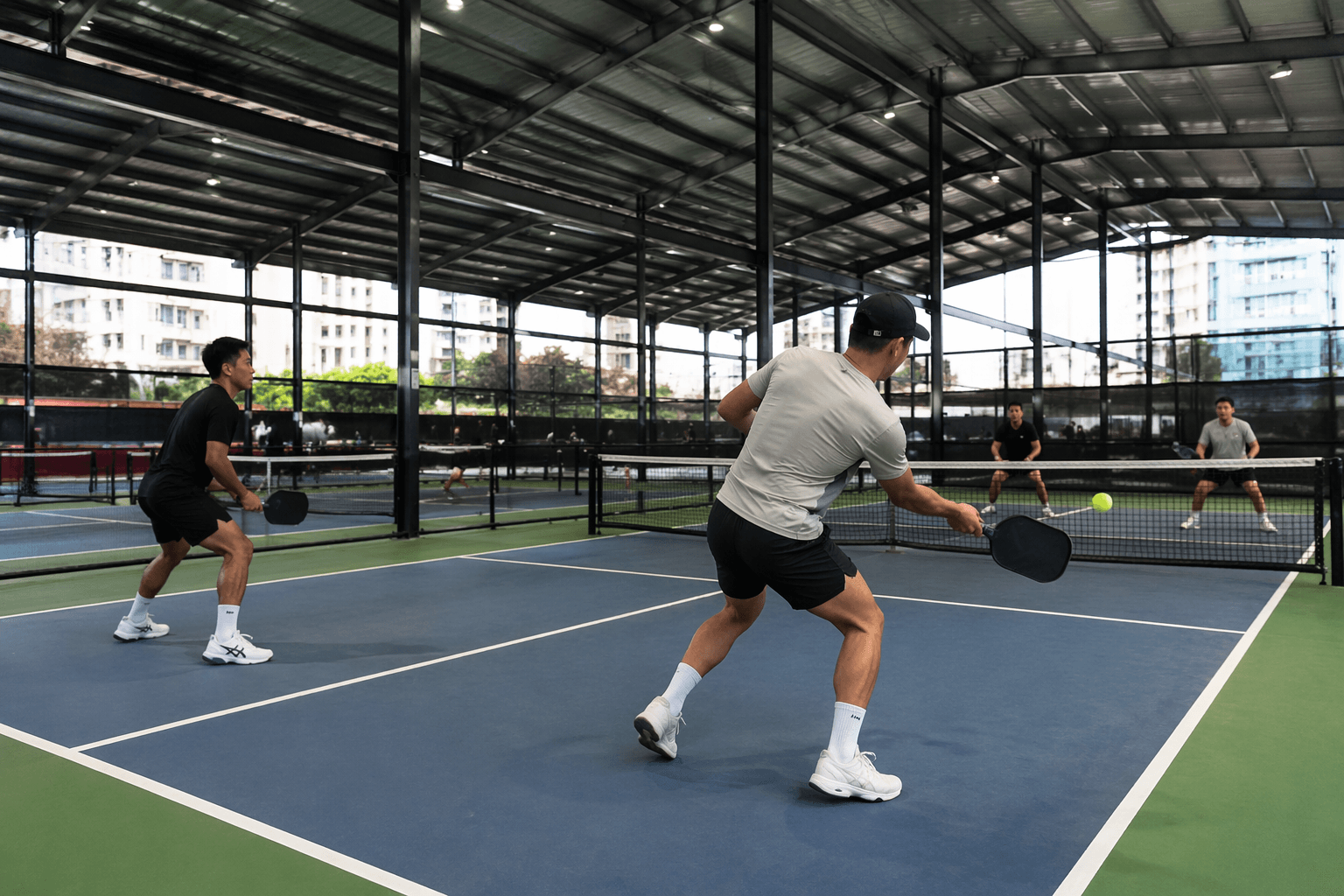
pickleball gains momentum in South Korea as Seoul opens 14-court complex
Seoul’s new 14-court complex shows pickleball moving beyond its older-player image as young workers, expats and tennis converts fill the game’s fastest-growing urban lane.
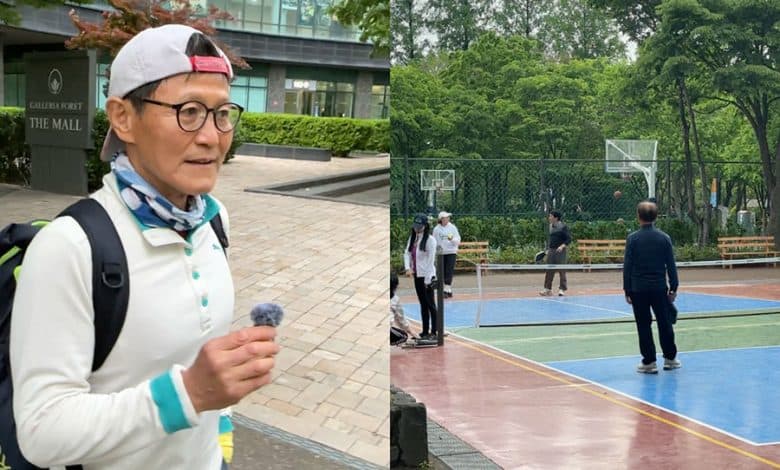
Seoul’s pickleball scene is starting to look less like a niche pastime and more like a real city sport. The clearest signal is Gwangnaru Hangang Park, where a 14-court complex opened to the public on April 16 and immediately gave South Korea’s capital its largest dedicated pickleball footprint yet.
That kind of facility matters because pickleball growth in Asia has increasingly been decided by court access, not just curiosity. Seoul’s reservation system runs through the city’s public service platform on a first-come, first-served basis, turning the new complex into a public gateway rather than a private club enclave. The site also gives the sport a visible home along the Han River, where Park Jin-young, head of the Future Hangang Headquarters, said the courts were created to give citizens an opportunity to enjoy a new form of recreational sports.
What makes the Korean market especially notable is who is showing up. Long-time organizers say the sport is no longer mainly associated with older players in Korea. Instead, it is drawing young office workers, foreign residents and former tennis players, a mix that points to a broader urban court culture rather than a one-generation fad. The opening also followed a well-attended ceremony on March 29, underscoring that Seoul treated the project as a serious sports launch, not just another park amenity.
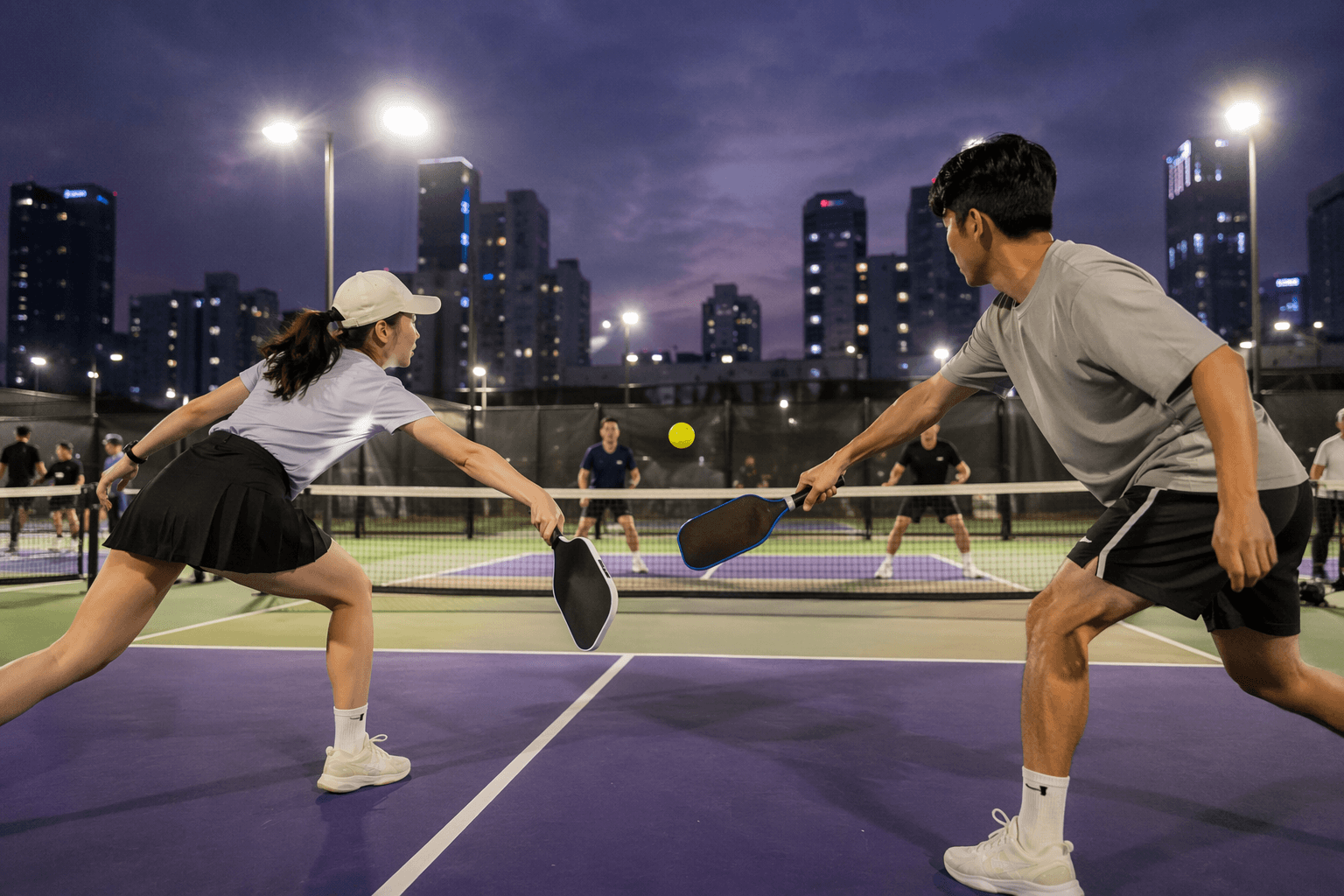
The business case is already visible. A former football pitch that had been rarely used was repurposed for pickleball, showing how cities can convert underused space into a high-demand recreation asset with far lower barriers to entry than many other racket sports. For operators, the lesson is clear: permanent indoor and outdoor homes create the schedule certainty needed for coaching, open play and club nights, the building blocks of a durable market.
South Korea also entered this phase with an existing base. The Korea Pickleball Association was founded in 2018, and a Korean sports-government filing lists 88 coaches, 66 referees, 2,009 recreational members, 28 registered teams, 17 provincial or regional organizations and 45 official clubs or associations as of 2025. That infrastructure suggests the country is not starting from zero, but scaling from an organized core.
The same filing says pickleball began in the United States in 1965 and has spread to more than 70 countries. In South Korea, the sport’s low physical barrier and social appeal are now colliding with Seoul’s urban recreation strategy, and that combination could make the market a serious player in Asia’s next wave of regional tournaments, brand investment and facility development.
This article was produced by Prism’s automated news system from verified source data, official records, and press releases, then run through automated quality and moderation checks before publishing. The system is built and supervised by the people who set the standards it runs under. Read our full AI policy.
Know something we missed? Have a correction or additional information?
Submit a Tip