Pickleball stars say resilient Filipinos are tailor-made for the sport
Manila’s mall-court showcase made the case that Filipino traits can translate into pickleball wins, but the real test is whether the country builds coaching, reps, and facilities.
Why the Philippines keeps coming up in pickleball conversations
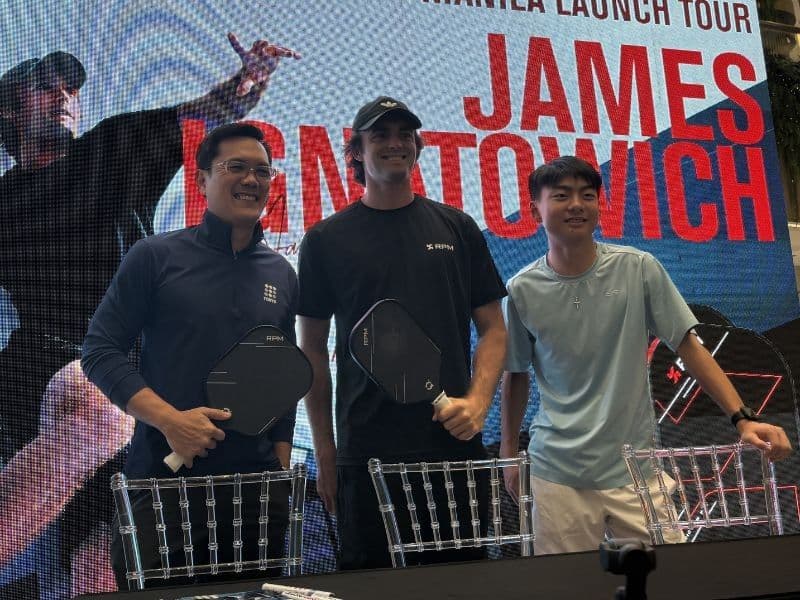
Pickleball’s best sales pitch in the Philippines did not come from a press release. It came from a meet-and-greet at SM North Edsa, where Mackonner Dy and James Ignatowich spent time with fans before stepping into an exhibition match with Toby’s Sports president Toby Claudio. The setup mattered as much as the personalities. Put top players, a retail giant, and a mall crowd in the same space, and the sport stops looking imported and starts looking accessible.
That accessibility is the point. The SM Pickleball Superseries 2026 leg in Manila was not framed as a closed-door elite event. It was presented as something visible, public, and easy to stumble into, which is exactly how new sports usually break through in a market like this. Pickleball does not need a stadium to make a case for itself. It needs people to see it, understand it quickly, and believe they can try it.
The Filipino fit is more than a feel-good line
The strongest argument from the Manila stop is not that Filipinos are naturally cheerful or welcoming. It is that the sport rewards traits already visible in the country’s sporting culture: resilience, adaptiveness, patience, and the ability to recover after a mistake. That is a competitive thesis, not just a cultural compliment. In pickleball, a soft reset after a bad return, a smart adjustment at the kitchen line, or a patient rally can decide a point as much as raw power can.
Mackonner Dy and James Ignatowich’s comments point toward that overlap. The Philippines has long valued grit, improvisation, and the ability to stay in the fight, and those qualities fit a game that often swings on quick adjustments rather than brute force. If a player can absorb pressure, reset the ball, and stay composed through awkward exchanges, that is not just good mindset. It is a practical scoring tool.
That is why the story lands differently from a generic “sports culture is rising” piece. The idea is not simply that Filipinos will enjoy pickleball because they are resilient. The real claim is that resilience can be converted into points, and points can be converted into results, if the rest of the pathway is built properly.
What the Manila event showed about the sport’s next stage
The mall setting said a lot about where pickleball is in the Philippines. This is still a sport that benefits from curiosity, foot traffic, and a low barrier to entry. By staging the meeting with fans at SM North Edsa and pairing it with an exhibition, organizers were not just promoting a match. They were trying to normalize the game in a place where people already spend time, shop, and move through their daily routines.
That matters because the first phase of growth for any sport is often social before it is competitive. A mall-friendly event can pull in first-time players who would never seek out a tournament venue on their own. It can also give the sport a family-facing identity, which is essential if pickleball wants to become part of mainstream sports culture rather than remain a niche import for a small circle of players.
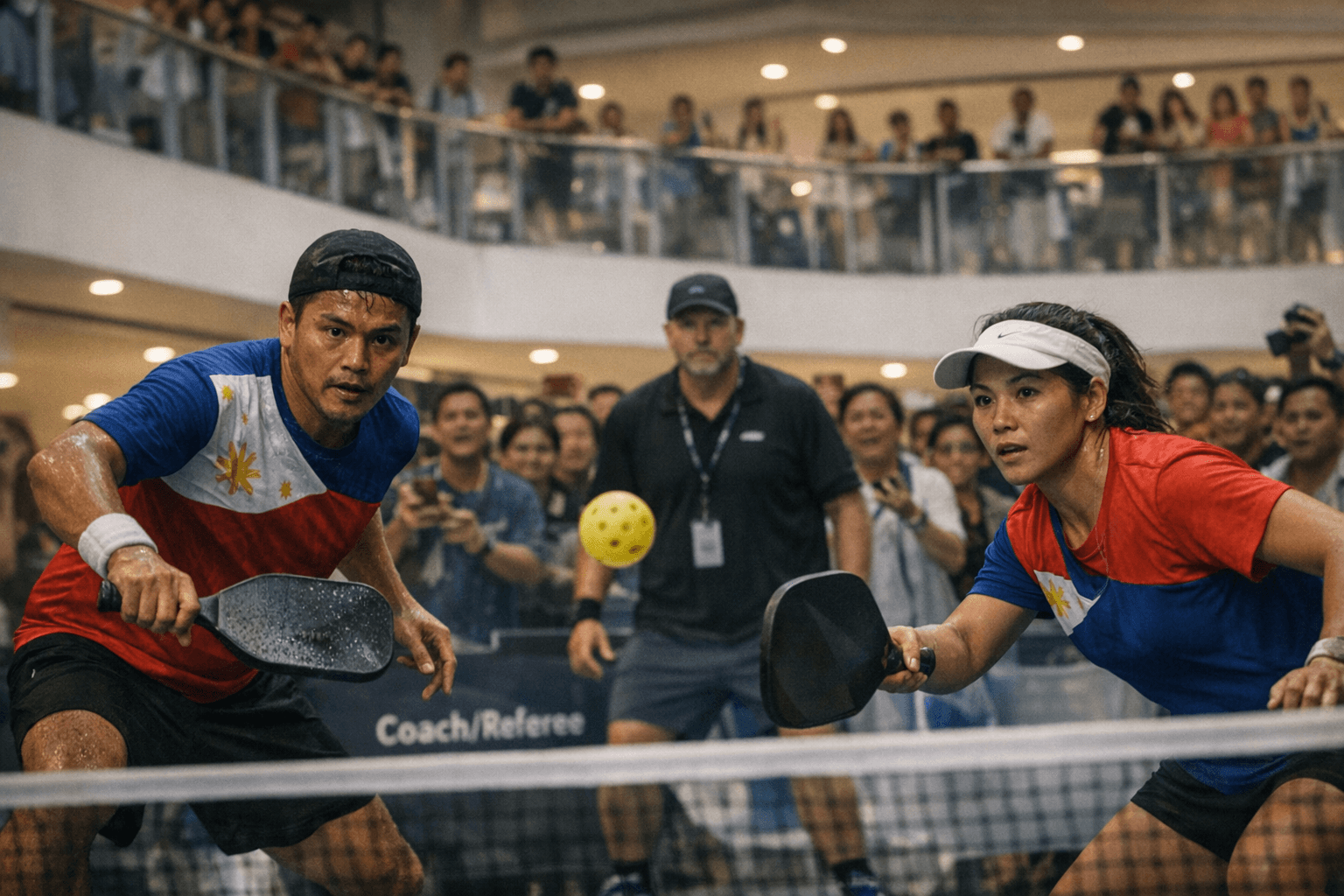
The presence of Toby Claudio in the exhibition also underscored the business side of the story. When a retail leader is on court with touring players, the message is clear: this is not just about spectacle. It is about turning curiosity into participation, and participation into a market. For pickleball in the Philippines, that business logic is as important as any individual result.
Where resilience helps, and where it still falls short
Resilience can carry a player a long way in pickleball, but it does not solve everything. The Philippines can lean on adaptability and comeback mentality, yet those strengths only matter if players also get structured coaching, enough tournament reps, and consistent places to train. That is the reality check behind the upbeat Manila showcase.
A sport built on quick decision-making also punishes habits that are only learned informally. If players are relying too much on instinct without repetition, the game will expose it. If they are not seeing enough high-level match situations, the pressure points at the end of rallies and games become harder to manage. And if facilities remain limited or inconsistent, the sport’s growth may stay centered on one-off events instead of producing a deeper competitive pipeline.
That is the gap the Philippines must close if it wants resilience to become medals instead of branding. The country already has a story people understand. What it needs now is an infrastructure that turns that story into repeatable performance: more coaches who can teach the nuance of shot recovery, more competition that tests nerves, and more courts where players can build match habits instead of just enthusiasm.
What this means for pickleball in Asia
Manila’s role in the SM Pickleball Superseries 2026 also says something larger about how pickleball is spreading across Asia. The sport travels fastest when it feels local, not borrowed. In the Philippines, that means connecting a global game to familiar habits, familiar spaces, and familiar values. A mall event with recognizable names does that better than a distant, formal launch ever could.
It also shows why the Philippines may be one of the region’s more interesting pickleball markets. The country already has the kind of public energy that helps a sport move from novelty to routine. If the exhibition in Manila is any guide, the next phase will depend less on whether people are willing to watch or try the game and more on whether the ecosystem can support serious improvement.
That is the real measure of this moment. The crowd at SM North Edsa saw a sport that fits the Filipino temperament. The next step is proving that the fit is not just cultural. It is competitive.
This article was produced by Prism’s automated news system from verified source data, official records, and press releases, then run through automated quality and moderation checks before publishing. The system is built and supervised by the people who set the standards it runs under. Read our full AI policy.
Did this article answer your question?