Proton paddles barred from pro play after UPA debt dispute
Proton paddles went illegal for sanctioned pros after March 30, forcing Asia-tour players to scramble for approved replacements in Hanoi while chasing unpaid sponsorship money.
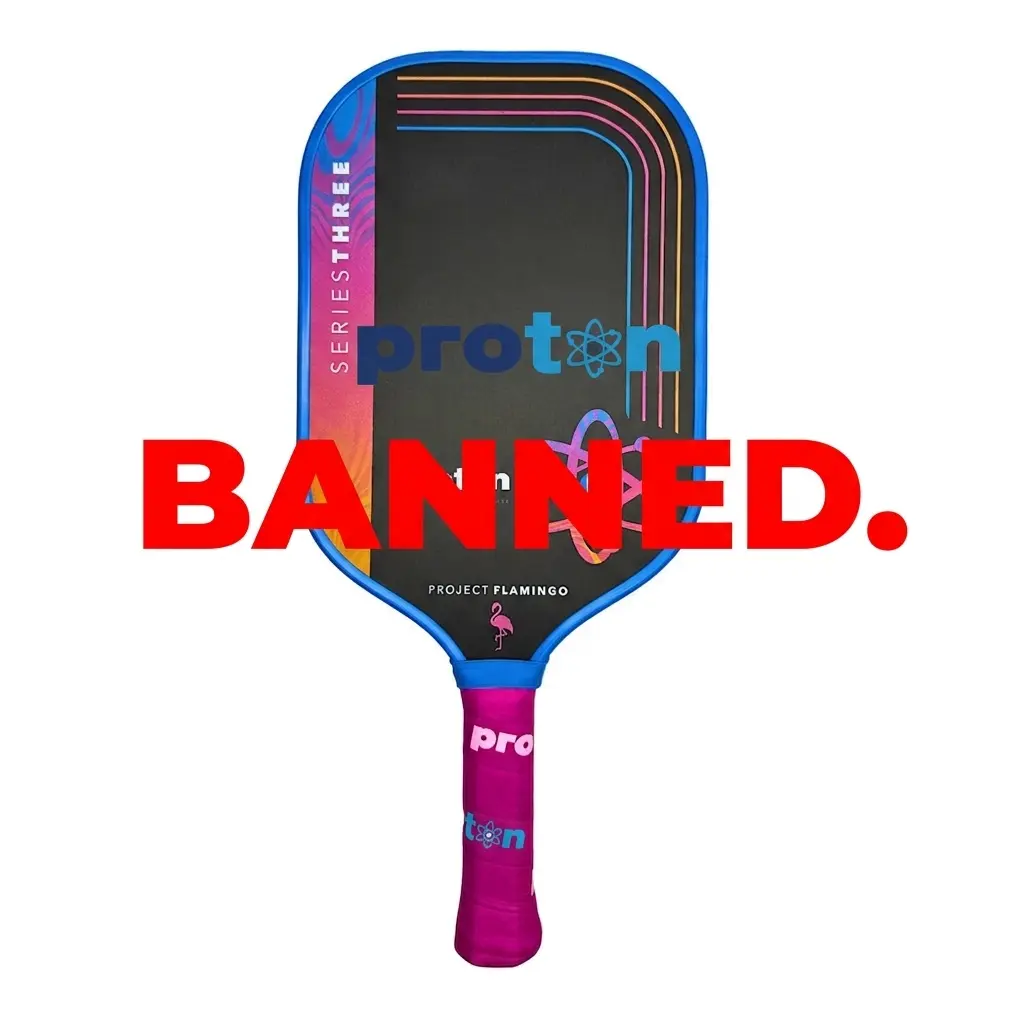
Proton-sponsored pros arrived on the PPA Tour Asia circuit facing a sudden equipment cliff: their primary paddle brand was no longer allowed in sanctioned professional play, with enforcement triggered immediately after the Greater Zion Cup deadline hit.
In a March 27 email titled “Important Notice: Proton Paddles Banned from Professional Play,” PPA Tour Founder and CEO Connor Pardoe told players Proton “has failed to resolve its outstanding debts” and was “in bad standing” with the United Pickleball Association, the PPA Tour, Major League Pickleball, and Pickleball Inc. The ban was set to begin at the conclusion of the Greater Zion Cup, the PPA stop staged March 23-29 at Black Desert Resort in Ivins, Utah, with enforcement pegged to March 30. The message left a narrow runway for anyone scheduled to compete in the next sanctioned pro brackets, particularly in Asia.
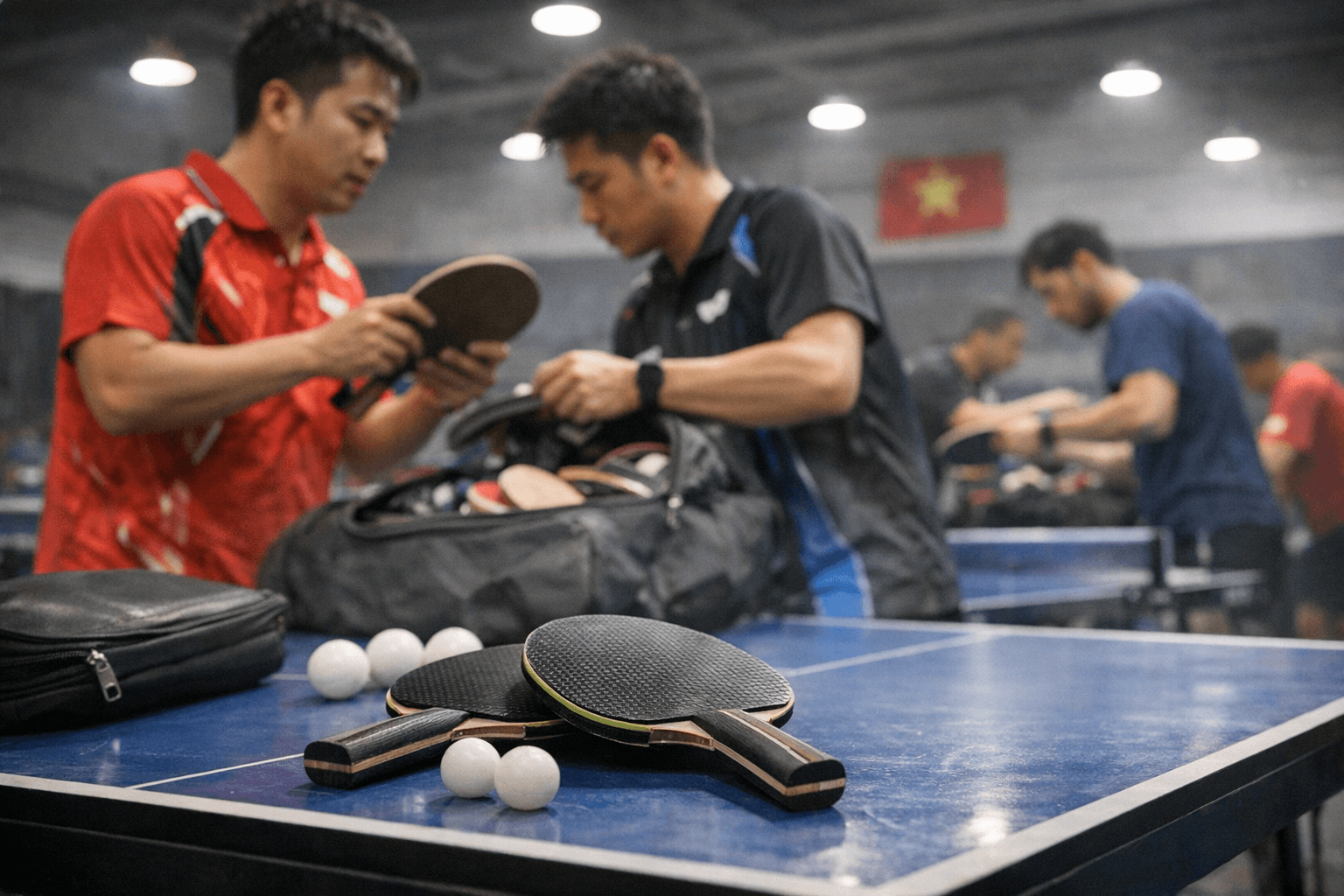
The first major collision came at the MB Hanoi Cup in Hanoi, Vietnam, staged April 1-5 at My Dinh Indoor Athletics Arena. The tournament, listed as a PPA Asia 1000, drew 785 players across a festival-style field where pro rules and on-site enforcement sit close to amateur participation. Players previously seen with Proton gear, including Jade Kawamoto, Jackie Kawamoto, Meghan Dizon, Jalina Ingram, Travis Rettenmaier, and Augie Ge, suddenly had to show up with equipment that remained eligible under tour policy.
The practical pivot was not just finding “a paddle.” PPA’s paddle compliance policy requires paddles used at PPA events to be on the approved equipment list, and it lays out on-site surface roughness testing and a challenge process that can escalate to forfeits if a paddle is ruled noncompliant. That framework turns a sponsorship rupture into an immediate competitive problem: switch too fast and risk performance drop-off; switch carelessly and risk failing a check under tournament scrutiny.
The email also warned that “multiple Proton-sponsored athletes may also be owed significant sums by Proton,” pushing the financial fallout directly onto players who budget travel, coaching, and physio around sponsorship income. Sponsor churn followed quickly on the Asia-facing side: Augie Ge signed with 11Six24 on April 1, and Andrei Daescu, long tied to Proton, had already moved to CRBN.
Proton’s response was brief. A Proton representative said: “We value our relationship with the PPA and plan to resolve this matter promptly.” Pardoe’s email added that if Proton rectifies its debts, it would be considered back in good standing and its equipment would again be eligible for play, while also signaling that policies for amateur play were under review.
The winners, at least short term, are rival paddle brands that can outfit displaced pros and teams overnight, plus the now-merged PPA-MLP structure that can enforce vendor discipline across properties after the unified holding company’s launch. The losers are easier to spot across Asia: retailers and distributors holding Proton inventory that suddenly carries “not for pro play” stigma, clubs running sanctioned events that must tighten compliance checks, and players caught between unpaid sponsorship promises and the cost, risk, and timing of a forced equipment change before their next match.
This article was produced by Prism’s automated news system from verified source data, official records, and press releases, then run through automated quality and moderation checks before publishing. The system is built and supervised by the people who set the standards it runs under. Read our full AI policy.
Did this article answer your question?