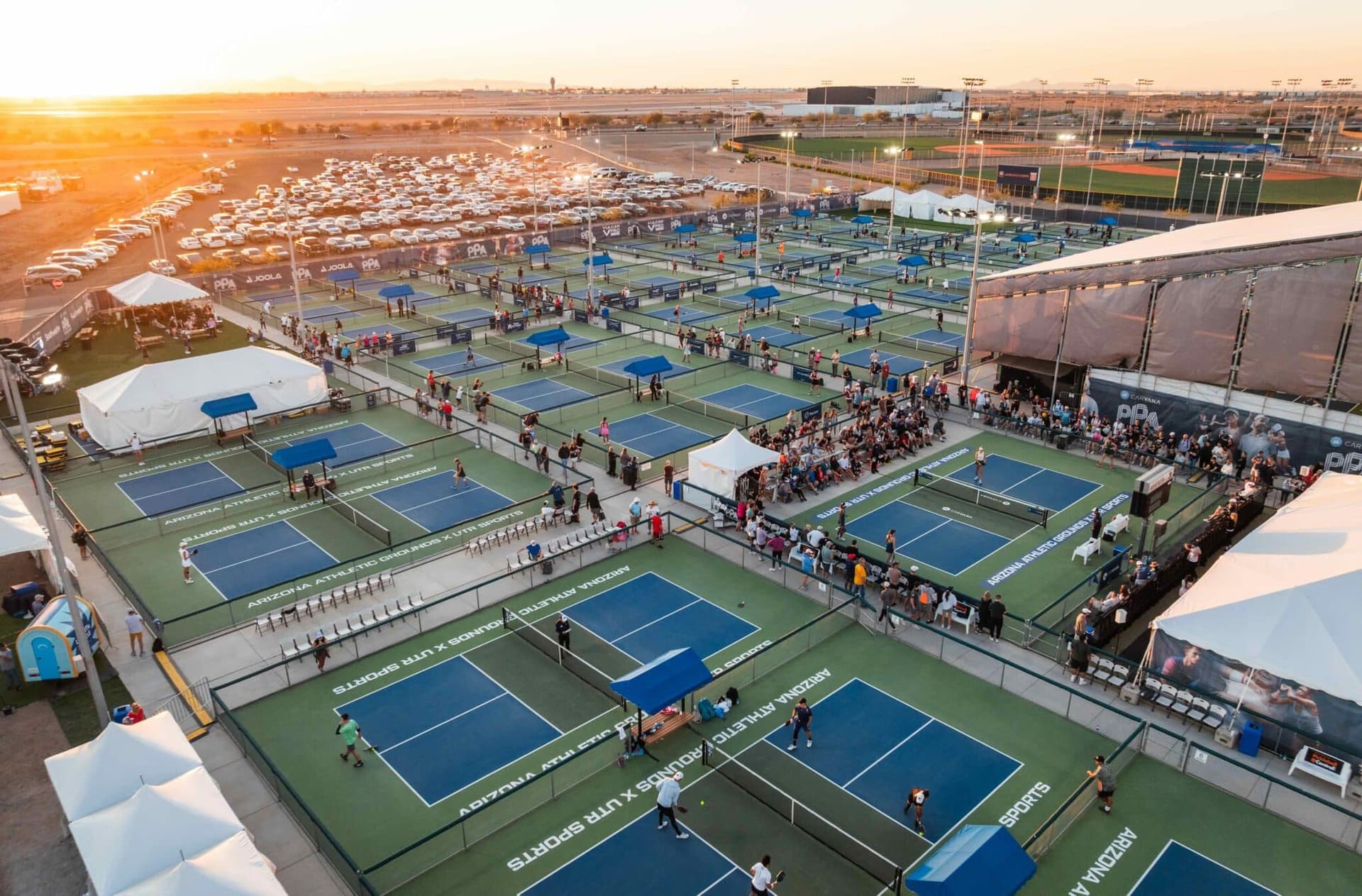
Seoul opens 14-court pickleball complex at Han River park
Seoul has turned pickleball from a trial into a city-backed sport, opening 14 riverside courts at Gwangnaru Hangang Park with shaded seating and fountains.
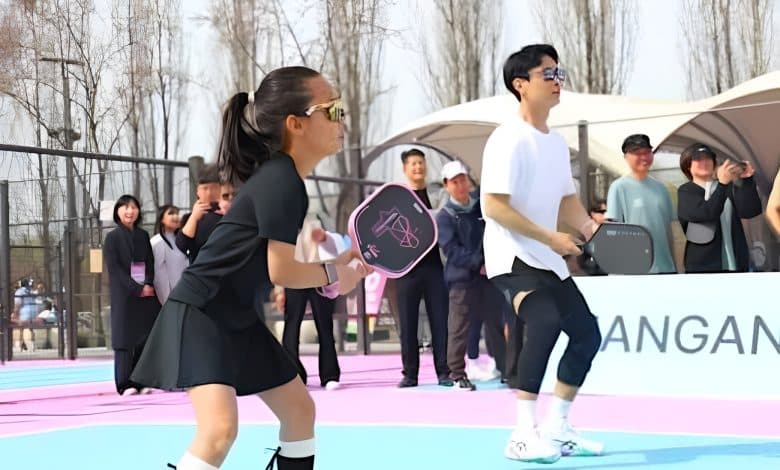
Seoul is no longer testing pickleball on the margins. The city opened a 14-court complex at Gwangnaru Hangang Park on 16 April, turning one of its best-known recreational corridors into a purpose-built home for the sport.
The site is more than a cluster of painted lines on asphalt. It includes shaded seating, benches, drinking fountains, fencing and a layout designed to ease congestion and keep play comfortable for beginners and regulars alike. City officials had already held a ceremony on 29 March, then finished the last steps before opening, including operator selection and system testing, a sign that Seoul wanted the launch to feel functional rather than improvised.
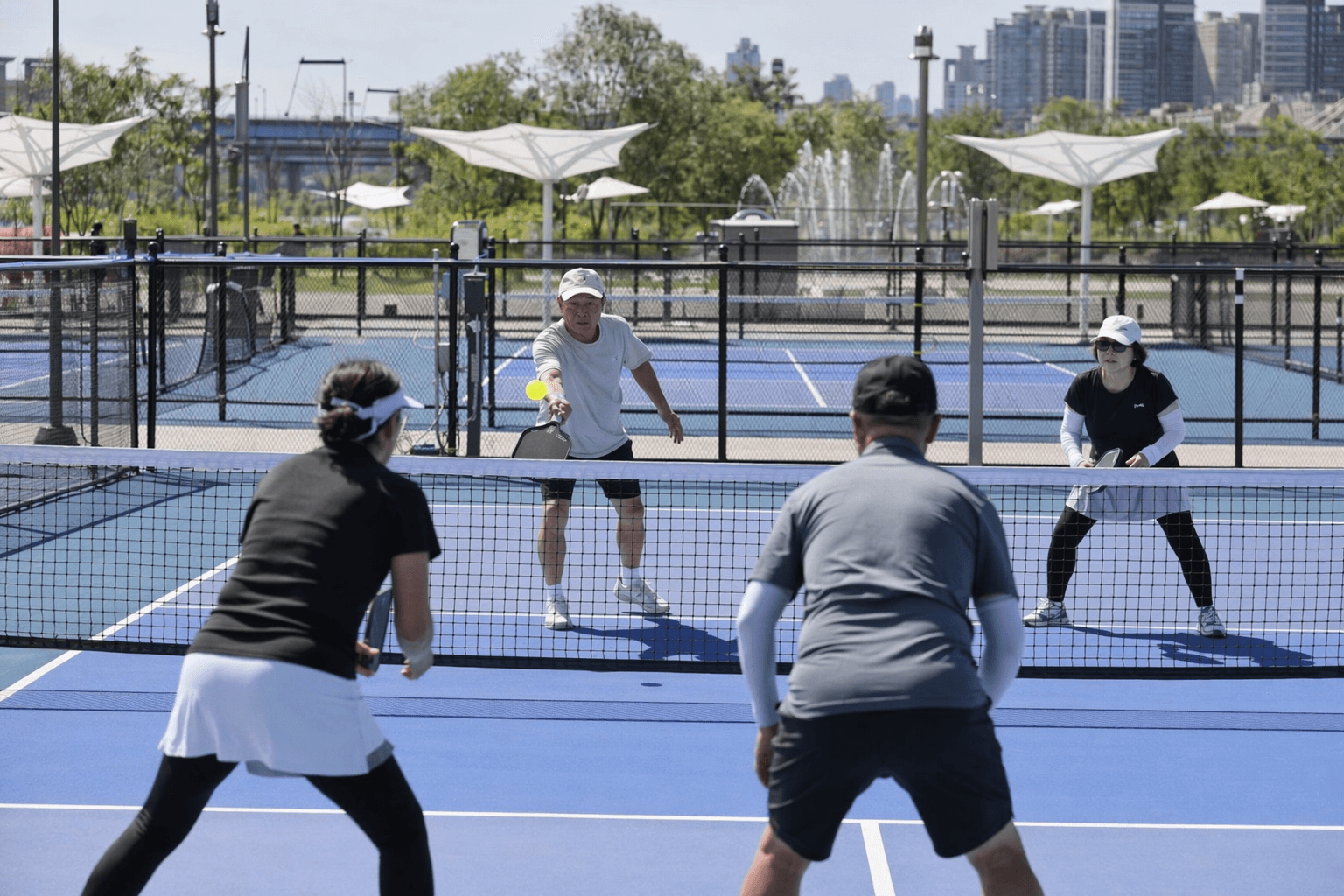
That matters because pickleball in South Korea has been growing fast enough to outpace casual, trial-and-error facility planning. By putting 14 dedicated courts on the Han River, Seoul has given the sport something it has often lacked in Asia’s major cities: visible public infrastructure in a premium location. Gwangnaru Hangang Park sits in a highly trafficked outdoor corridor, which gives pickleball a stage far larger than a private club or temporary pop-up could provide. The message is clear enough. Seoul is not waiting to see whether the sport lasts. It is building as if it already has.
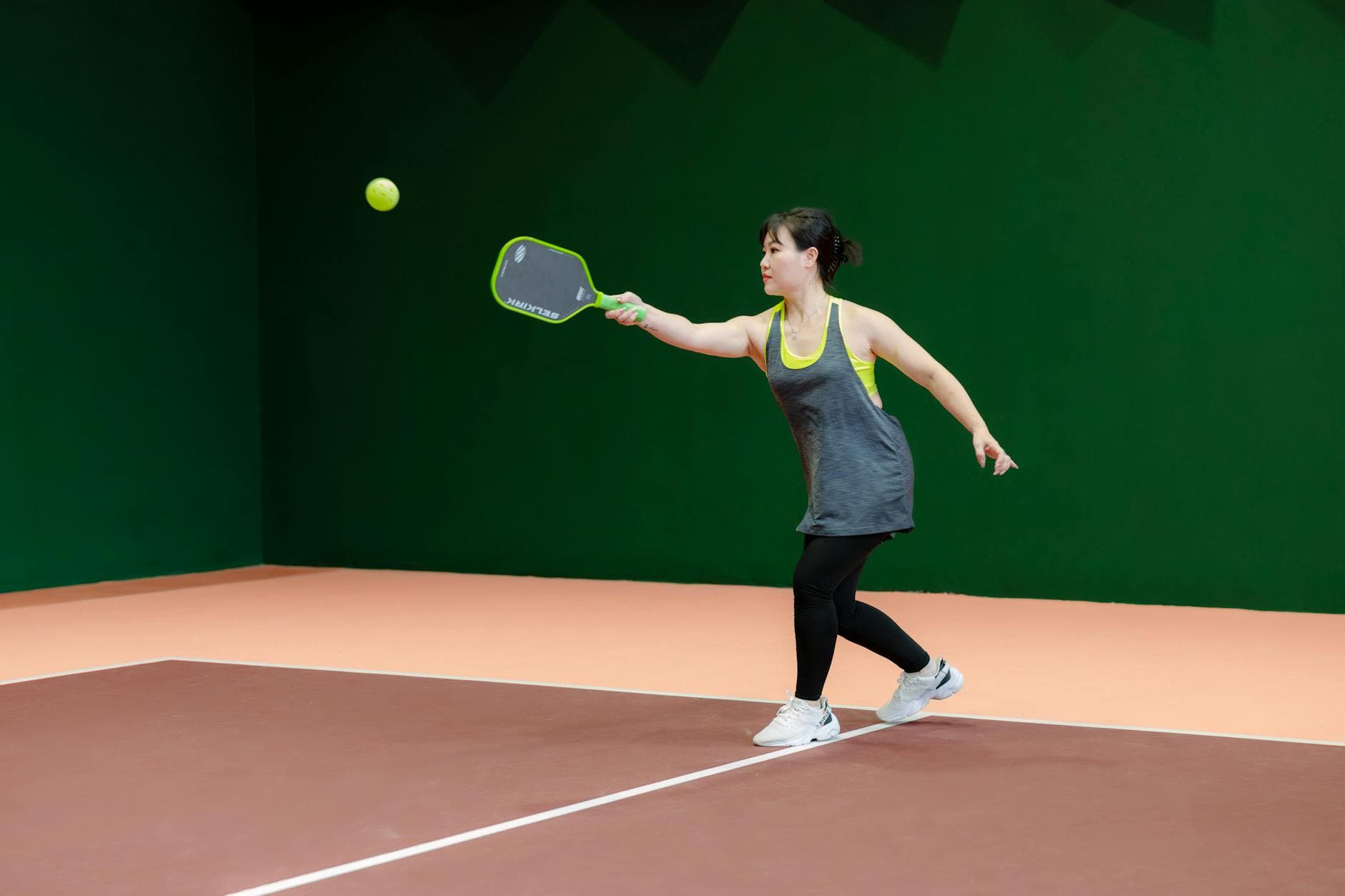
For players, the practical impact could be immediate. More courts mean shorter waits, more consistent booking access and room for clubs to expand scheduled play without crowding out newcomers. A facility built with reservations in mind should also help avoid the bottlenecks that can sour early demand when a new sport suddenly takes off. The low barrier to entry that has helped pickleball spread across the region now has a physical base in the Korean capital, where more beginners can step onto dedicated courts instead of sharing space with better-established racket sports.
The opening also carries a broader regional signal. If the Han River complex draws steady traffic and holds up under daily use, it could become a template for other Korean cities looking to convert underused public space into active courts. That would push pickleball deeper into the urban mainstream, shifting it from curiosity to institution. In Seoul, the sport now has a riverside home, and with it, a stronger claim to long-term staying power across Asia.
This article was produced by Prism’s automated news system from verified source data, official records, and press releases, then run through automated quality and moderation checks before publishing. The system is built and supervised by the people who set the standards it runs under. Read our full AI policy.
Did this article answer your question?