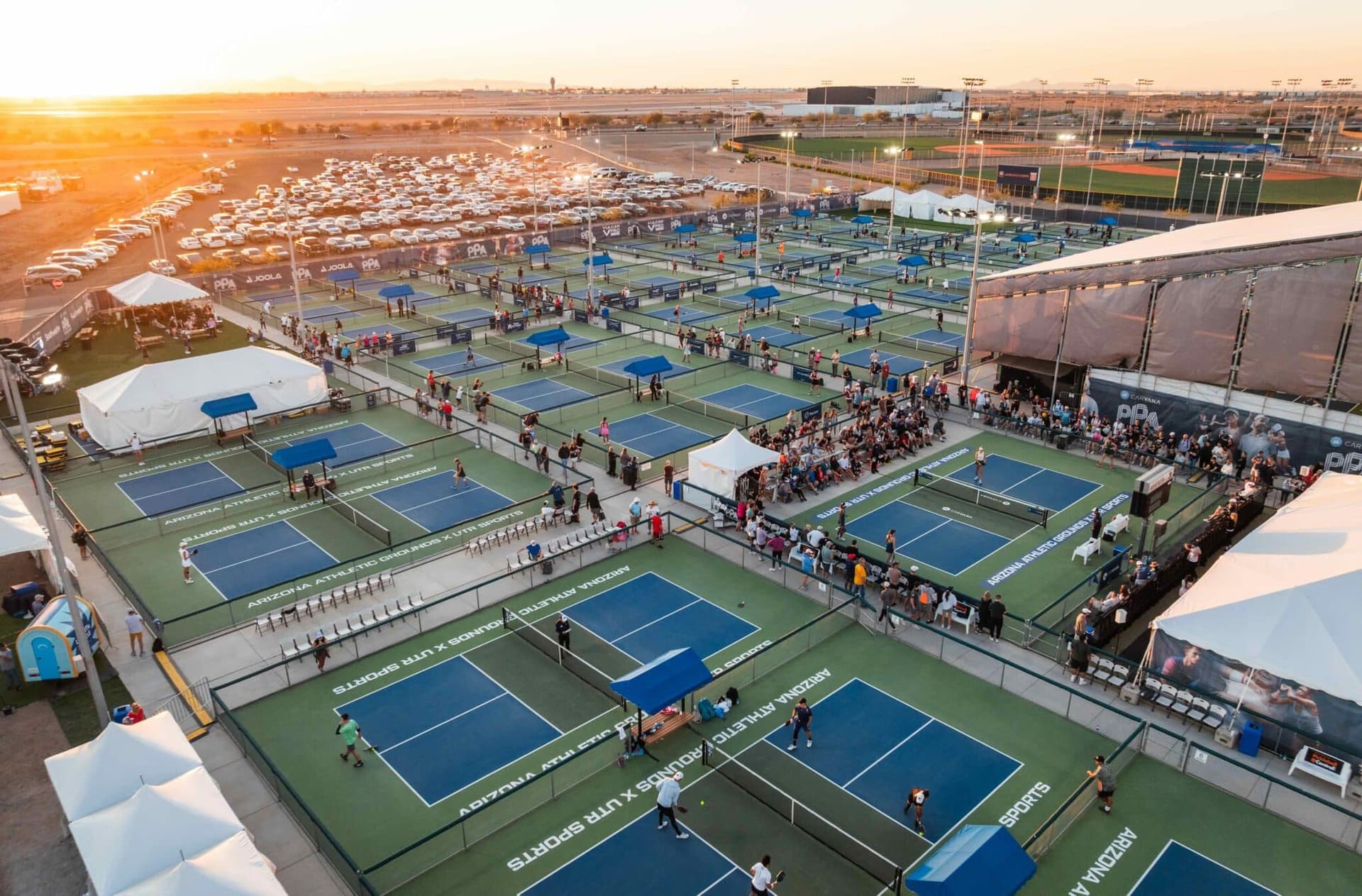
Thailand pickleball championship recycles worn balls into new products
WPC-Thailand paid 2 baht for worn pickleball balls and routed them through 121 drop points, turning tournament waste into new products.
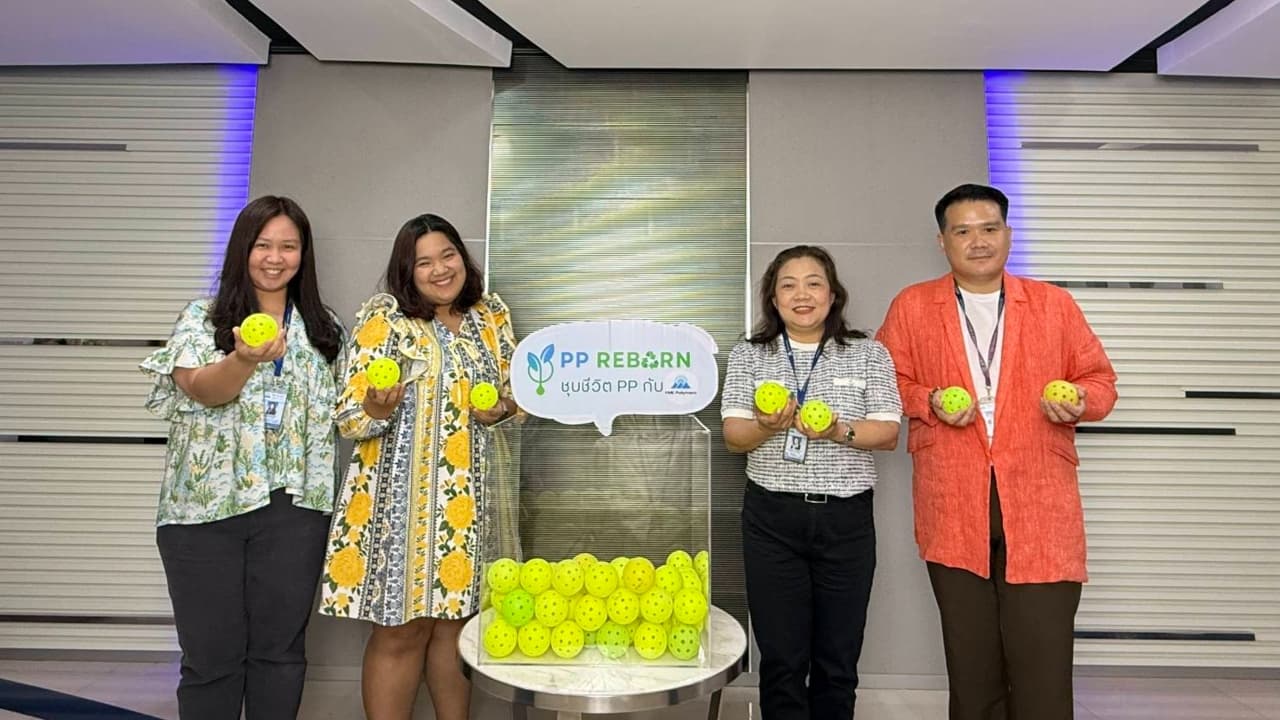
Worn pickleball balls at Thailand’s championship were not headed for the landfill. World Pickleball Championship Thailand collected damaged balls after use and sent them back into production through a partnership with PP Reborn, a plastic management platform operated by HMC Polymer, turning a basic piece of court debris into a usable material stream.
The program gave the event a practical sustainability test, not just a green label. WPC-Thailand bought used balls at 2 baht apiece, a small but concrete buy-back price that made it easier for clubs to return equipment instead of throwing it away. For players and organizers that wanted a simpler route, the partnership also opened 121 PP Reborn drop points across the country, where balls could be handed in free of charge.
That scale matters in a sport where training and competition can chew through balls quickly. The structure gives clubs two options: arrange deliveries in advance by phone or use the nationwide drop-point network. Either way, the ball’s lifecycle does not end after a few hard sessions on court. It is collected, recycled and upcycled into new products that are meant to benefit society, with the project framed around circularity principles and lower carbon emissions from landfill.
The move also put the championship into a broader conversation about how pickleball grows across Asia. Events in emerging markets often lean on branding to signal responsibility, but this model is more measurable. It asks how much waste can actually be pulled back into production, how easily clubs can participate and whether organizers can build systems that work beyond one-off campaigns.
For WPC-Thailand, the answer seemed to be yes, at least in design. By linking tournament operations with a reuse and recycling pipeline, the championship presented itself as more than a competition host. It positioned pickleball as a modern sport with a cleaner footprint, one that can appeal to clubs, sponsors and local governments looking for signs that rapid growth does not have to mean more waste.
This article was produced by Prism’s automated news system from verified source data, official records, and press releases, then run through automated quality and moderation checks before publishing. The system is built and supervised by the people who set the standards it runs under. Read our full AI policy.
Did this article answer your question?