Attack deep serves early to seize control in table tennis
A deep serve is a point in disguise: take it early, or the server gets the first big swing. Larry Hodges says passive receives hand over control.

A long serve is not a harmless ball that you can simply nudge back and hope for the best. Larry Hodges, writing Butterfly’s June 15, 2026 Tip of the Week, argues that the deep serve changes the entire point economy of table tennis because it strips away the safety net that a short receive often provides and hands the server time to attack first if the return is passive.
Why the deep serve changes the first three shots
Against a short serve, a receiver can sometimes buy time, keep the ball short, or use angle to move the opponent around. A deep serve does the opposite. It pushes the receiver farther back, often forces a late contact, and makes it much harder to control the table on the receiver’s terms. That is why Hodges frames the issue so sharply: if you let a deep serve become a soft return, the server has already won the opening phase of the rally.
This is the hidden economics of the serve-receive battle. The server is not just trying to get the ball in play. On a deep serve, the real goal is to make the receiver feel rushed, then profit from the first predictable reply. Once that pattern starts, the server can step in with a stronger third ball and take command before the receiver has even settled.
The mistake pattern every club player recognizes
The most common error is also the most human one. A player sees a long serve, assumes it is easier than a short, tricky one, and pokes it back without much intention. That contact often comes late, with the paddle opening under the ball and lifting it back into the server’s strike zone. The result is familiar in league nights and tournament matches alike: the server gets a comfortable ball and attacks first.
Hodges’ point is not that every deep serve must be smashed. It is that passive receives give away the one thing you cannot easily recover later, initiative. Once the server has it, the next shot is no longer about survival. It becomes a race to keep up.
When to loop, when to drive, when to pressure first
The tactical cue is simple in principle and demanding in execution: if the ball is long, train yourself to attack it early. Looping is usually the best first thought when the ball has enough depth, height, or spin that you can use the receiver’s timing edge to open with quality instead of deadening the rally. Early contact keeps the server from resetting and lets you own the first aggressive swing.
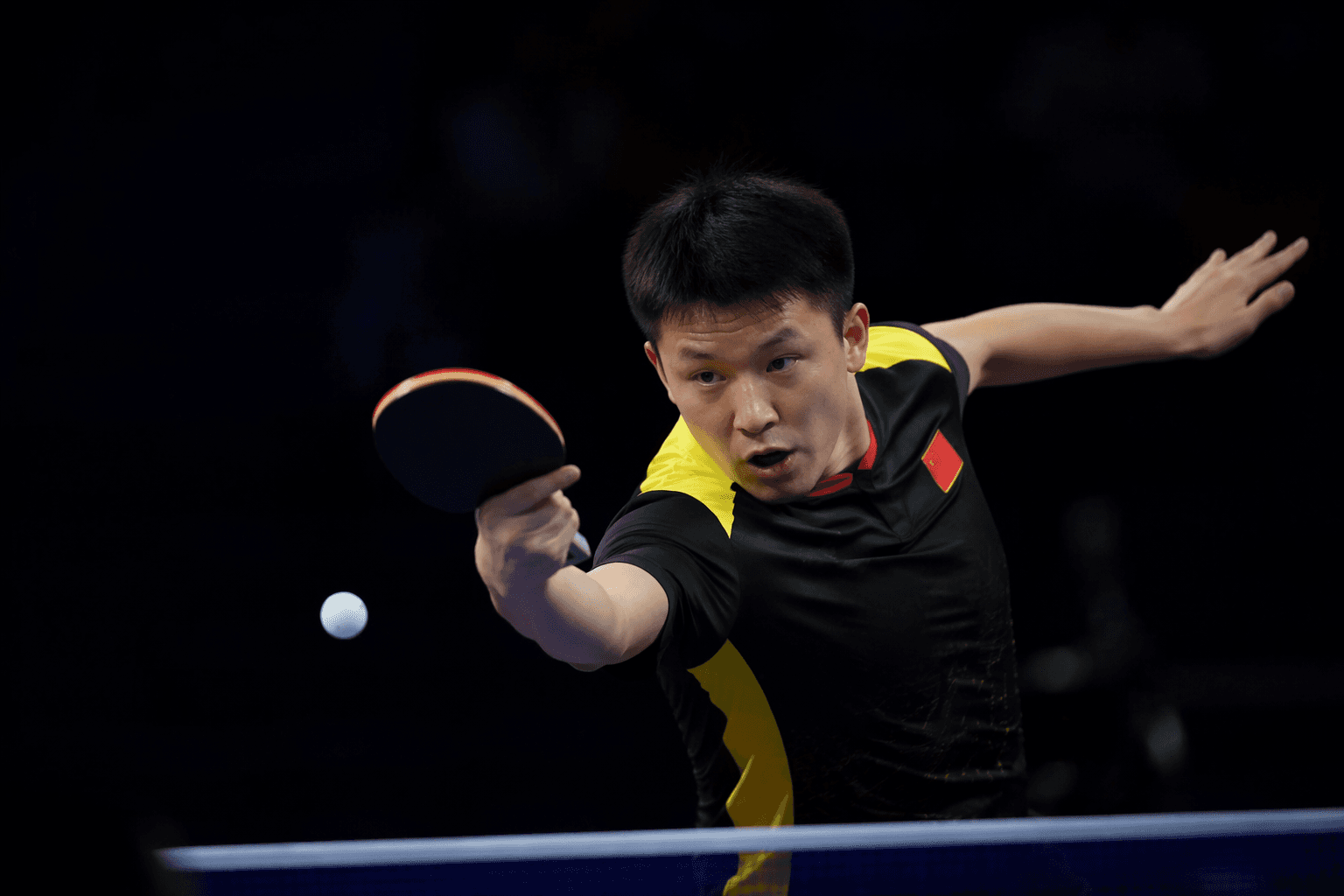
Driving becomes the better answer when the ball is fast, flatter, or sitting up in a way that makes a full opening loop unnecessary. A firm drive through the ball can be enough to steal the timing advantage and prevent the server from recovering into a clean attack. Pressure first does not always mean a big stroke, but it does mean a committed one.
A useful way to read the situation:
- If the deep serve lands with enough shape to loop, open early and take space.
- If the ball is flatter or lighter, drive it sharply before the server can settle.
- If the serve lands deep to your body or elbow, prioritize a strong, directed first ball rather than a safe poke back.
That is why deep-serve receive is really about decision-making under pressure. The best response is the one that denies the server comfort on the very next shot.
Why the rules make the serve a weapon, not a trick
The International Table Tennis Federation’s rules help explain why this tactic works so well. Under the current service regulations, the ball must be thrown near vertically and rise at least 16 centimeters after leaving the palm. It must be struck from above the playing surface and behind the server’s end line, and it cannot be hidden from the receiver. In other words, a legal deep serve is not based on deception through concealment. It is based on placement, timing, and the pressure created by depth.

That matters because the serve is still the only shot where the server controls the start of the point. A deep serve uses that advantage differently from a short one. Instead of inviting a touch game, it pushes the receiver into a longer, more vulnerable first contact and raises the value of an aggressive receive.
Why deep serves reward certain styles
Another coaching note from Hodges makes the tactical profile even clearer: deep serves are ideal for hitters, blockers, and counterdrivers. Those players are built to use pace, redirect the ball, and punish predictable returns. A deep serve that forces a late lift feeds directly into that style of play.
TableTennisCoaching.com has also described the same pattern bluntly: even when the serve is read properly, many players are still forced to take it late and lift it, which often sets up an easy attack for the server. That is the match outcome to keep in mind. The deep serve is not just a start to the rally, it is a setup for the server’s preferred next ball.
What makes this advice worth repeating
Hodges has been making this same point for years, including in earlier coaching writing such as a 2012 Paddle Palace tip and other table tennis posts. That longevity says something important: this is not a fashionable idea, it is a stable principle of good receive play. His background gives the message extra weight too. He is a US Table Tennis Hall of Fame member, a USATT Certified National Coach, and a professional coach at the Maryland Table Tennis Center. TableTennisCoaching.com says he has written more than 2,100 articles and more than 600 tips, which helps explain why this advice keeps resurfacing.
The lesson for competitive amateurs is straightforward. Do not treat deep serves as an invitation to survive the point. Treat them as a chance to seize it. Good receive play is not just about keeping the ball on the table, it is about forcing the match to begin on your terms. In modern table tennis, that first aggressive choice often decides who gets to control everything that follows.
This article was produced by Prism’s automated news system from verified source data, official records, and press releases, then run through automated quality and moderation checks before publishing. The system is built and supervised by the people who set the standards it runs under. Read our full AI policy.
Know something we missed? Have a correction or additional information?
Submit a Tip