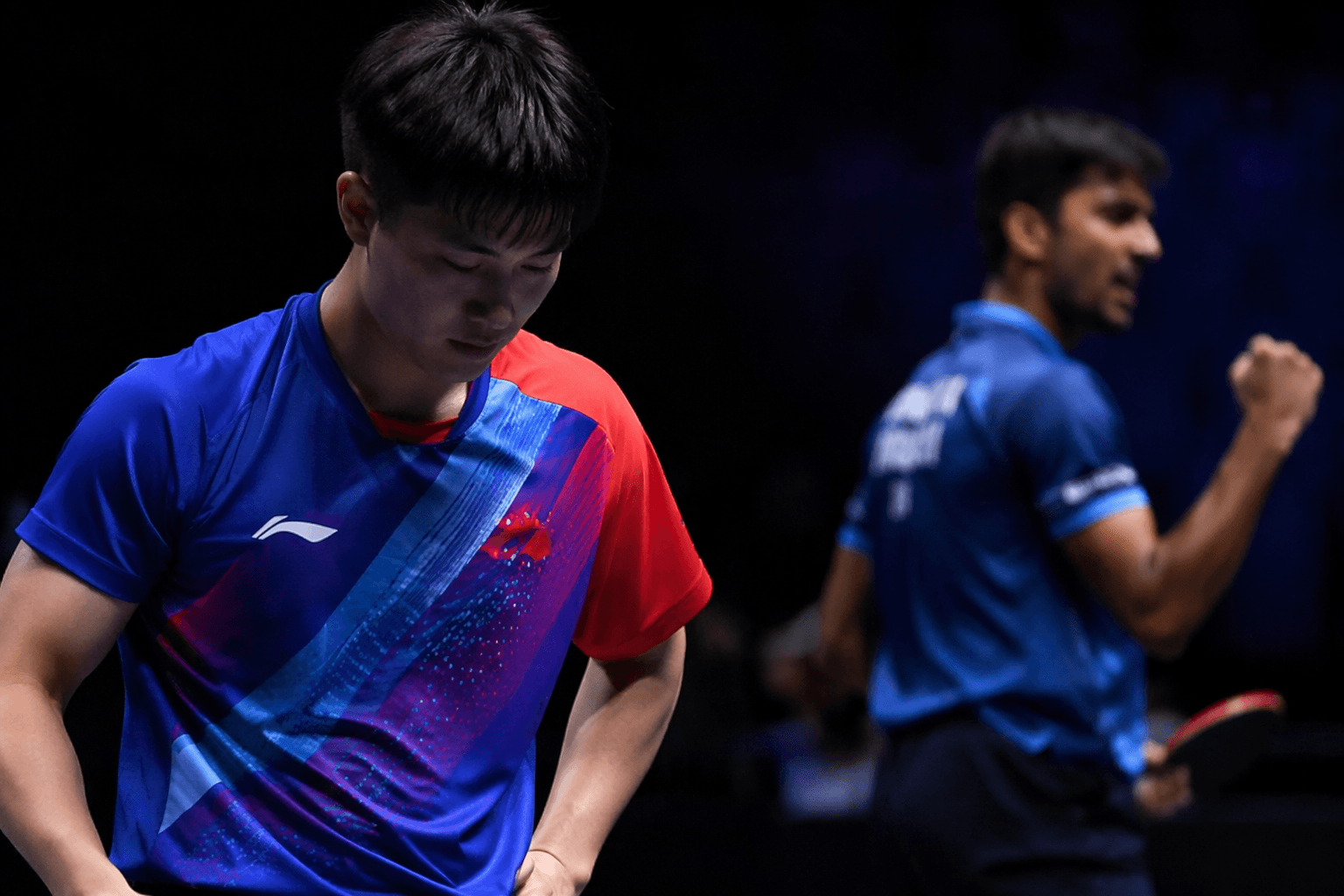
ITTF reaches top governance tier in ASOIF review for first time
The ITTF broke into ASOIF’s A1 tier with 221 of 240 points, as table tennis entered its centenary year with a new constitution and a stronger governance test.

Table tennis has its first A1 governance badge, and the timing matters as much as the score. The International Table Tennis Federation earned 221 out of 240 in ASOIF’s Sixth Review of International Federation Governance, placing sixth among 14 federations in the top tier and turning an administrative ranking into a public marker of where the sport says it is headed.
The result is more than institutional bragging rights. ASOIF’s review measured transparency, integrity, democracy, development, sustainability and control mechanisms, the same machinery that shapes how events are run, how complaints are handled and how much trust sits behind the sport’s biggest stages. ASOIF highlighted better gender balance on the ITTF Executive Board, an independent reporting channel and deeper work on integrity, including competition-manipulation prevention.
The ITTF’s 16-point improvement from the previous review was stronger than the roughly 10-point average gain across the field, even as all 36 participating federations cleared ASOIF’s target of 150 points. That places the federation’s rise in a broader Olympic context, but it also raises the sharper question for fans and players: what does an A1 score actually change once the badge is pinned on? The answer should show up in cleaner decision-making, firmer athlete protection and more credible event governance, not just in a spreadsheet.
This was not a sudden leap. In ASOIF’s third review in 2020, the ITTF moved from group B to group A2 and climbed 10 places to 11th in the rankings. In 2024, ASOIF again pointed to marked progress across all five evaluated sections and singled out transparency as a particular strength. The 2026 result was the culmination of that climb, not a one-off jump.
The structural changes behind it are substantial. The ITTF said its Tribunal has been fully independent and operational since 2021, and its Integrity Board has been complete since 2023, with six of seven members independent. Kevin Carpenter was appointed the federation’s first Head of Integrity in October 2021 to lead a unit built to investigate and prosecute breaches while educating the table tennis community on integrity matters.
The timing also fits the federation’s centenary year, which marks 100 years since the ITTF was founded and the first World Championships were staged in London in 1926. The federation published a first draft of its new constitution on 6 February 2026 and approved the new constitution at its centenary AGM in London on 3 May 2026. Petra Sörling has framed the governance score as evidence of sustained reform and a stronger platform for table tennis among Olympic sports, and the next test is whether the sport’s new top-tier status becomes visible where it counts, in athlete trust, event quality and the confidence of the people who compete in it.
This article was produced by Prism’s automated news system from verified source data, official records, and press releases, then run through automated quality and moderation checks before publishing. The system is built and supervised by the people who set the standards it runs under. Read our full AI policy.
Know something we missed? Have a correction or additional information?
Submit a Tip