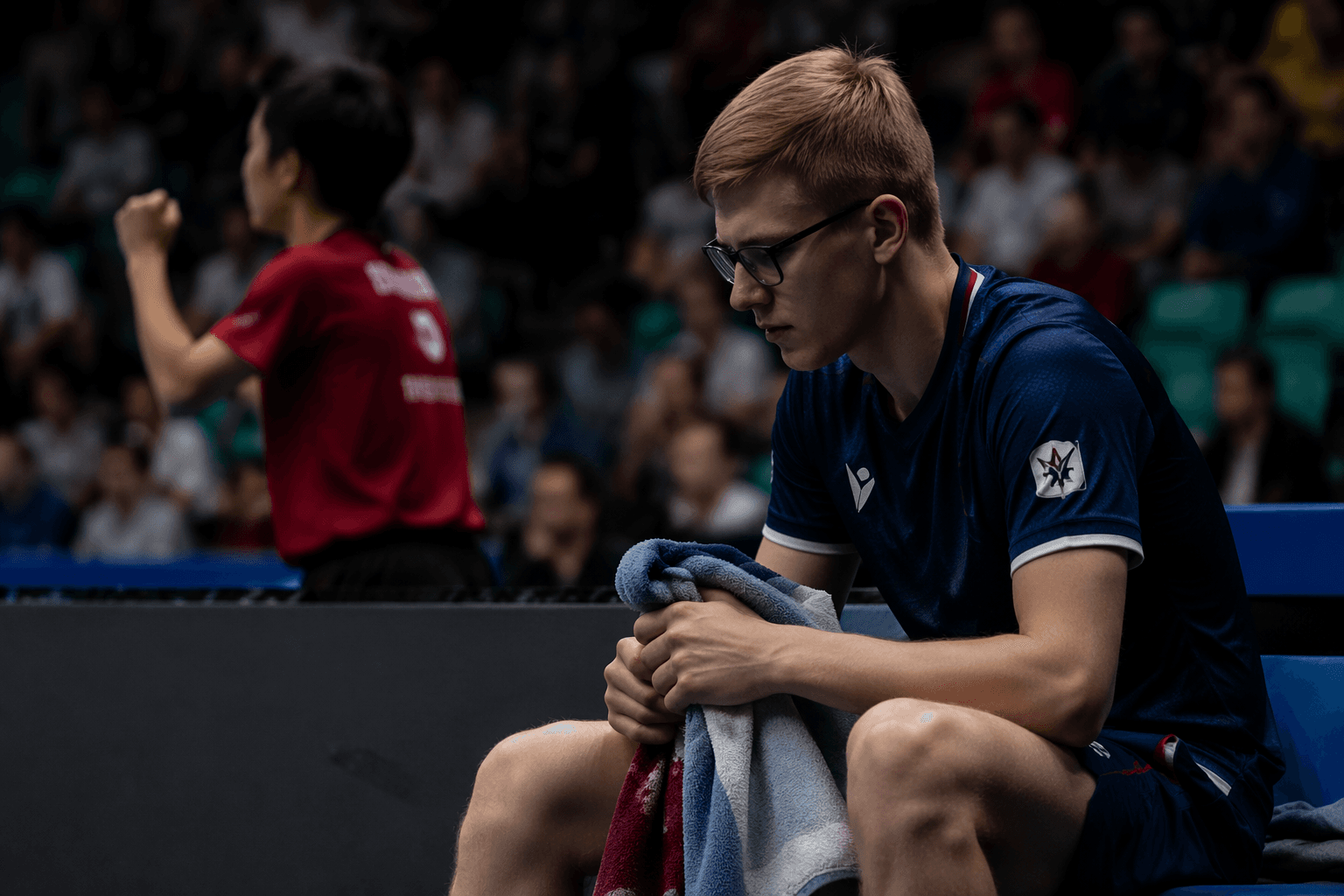
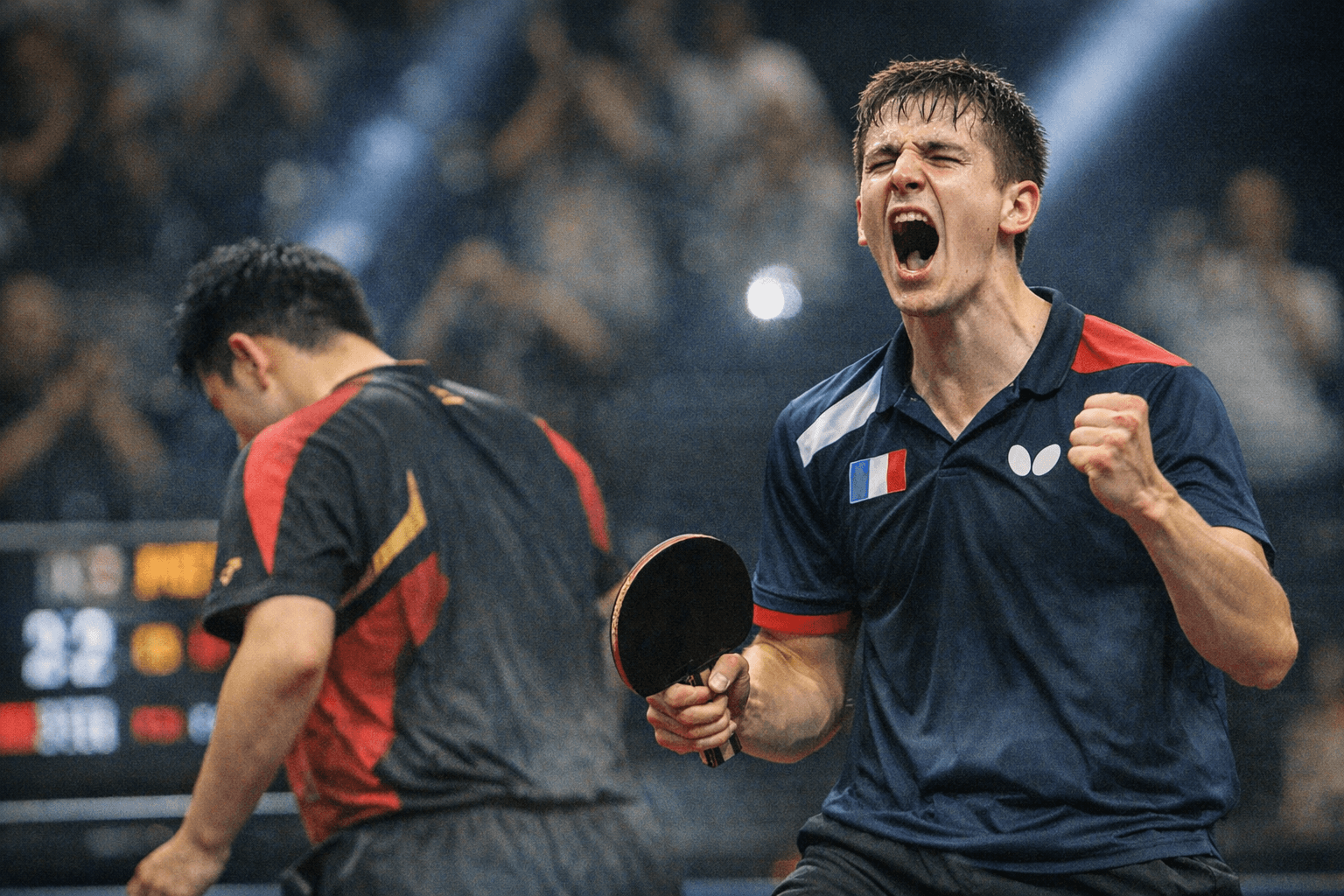
ITTF reinstates Belarusian athletes for events starting July 28, 2026
Belarusian passport holders can return to ITTF events after July 28, and the first real points chase is the Aug. 4-8 WTT Feeder Vientiane.

The ITTF has moved the Belarus question from policy limbo into the draw room, and that matters immediately for anyone fighting for ranking space. Once the clock hits the end of 28 July 2026, Belarusian passport holders can re-enter ITTF events under standard rules, which means more names in qualifying lists, more pressure on seed lines, and another variable in a sport where entry and seeding are built from the best eight results over the past 12 months.
The executive board met online on 17 June and chose a delayed reset rather than an instant one. The ITTF said the move followed the IOC Executive Board’s 7 May recommendation, rested on equal-treatment principles, and stays limited to athletes holding Belarusian passports, with no extension to Russian passports. The federation’s own 15 April decision already preserved the senior neutrality regime while opening a separate youth pathway, so this latest step completes a two-track policy that separates senior elite eligibility from age-group access.
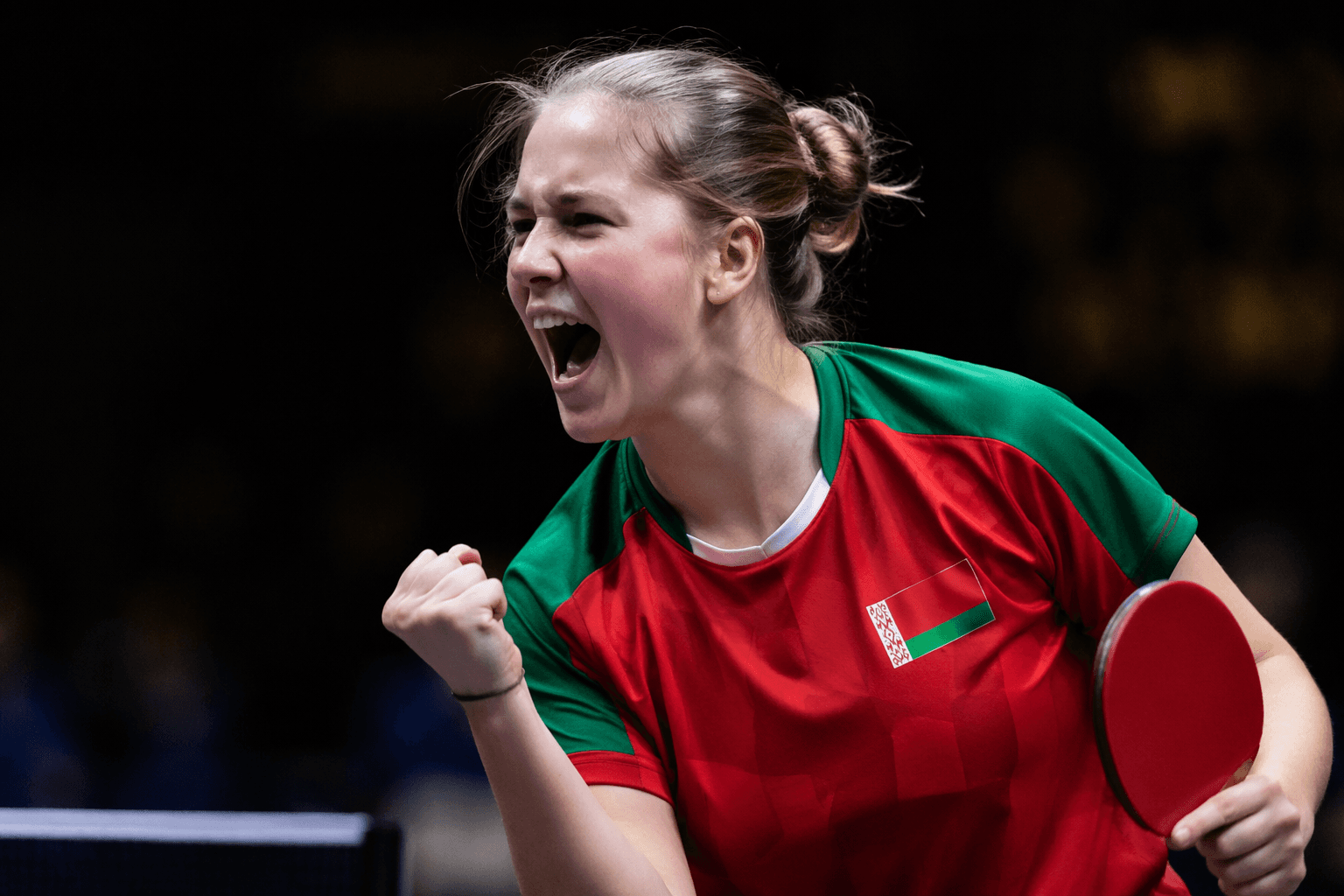
The names most directly affected are the active Belarusian players who can now chase international entry with far more certainty. The Belarus federation’s national-team page lists senior women Katsiaryna Baravok, Lizaveta Tsimashkova, Vera Volkava, Darya Kisel and Darya Vasilenka, plus men Heorhi Kunats, Mikhail Tsyhanouski and Daniil Vitorski, while long-time internationals Pavel Platonov and Aliaksandr Khanin remain the country’s best-known senior figures.
The first realistic point target comes fast. WTT Feeder Vientiane runs from 4 to 8 August at ITECC Mall in Laos, with entry lists available five weeks before the event. In the feeder template used this season, the singles champion collects 125 ranking points, the finalist 90, semifinalists 60, quarterfinalists 40, Round of 16 players 10 and Round of 32 players 2, which makes even a modest run valuable for players trying to rebuild their ranking base.
That is where the competitive impact gets sharpest. Because the ITTF ranking is the sum of a player’s best eight results and is used for entries and seeding, Belarusian returns can push mid-tier opponents down the order at Feeder level first, then, if results follow, into larger WTT fields where the September WTT Star Contender in Astana awaits. The structure of the WTT ladder is built to funnel players upward, so even a handful of Belarusian entries can change qualification races, redraw volatile sections of the bracket and alter who lands on the wrong side of a seed.
The broader backdrop helps explain why the ITTF felt comfortable making the switch. The IOC said in May it no longer recommended restrictions on Belarusian athletes, pointing to the Paris 2024 experience, where 32 athletes with Russian or Belarusian passports from 10 sports competed without incident. For organizers and national associations, that gives the ITTF a cleaner governance case, but it also leaves Russia untouched, a split that will be read as both a fairness move and a very selective political line.
This article was produced by Prism’s automated news system from verified source data, official records, and press releases, then run through automated quality and moderation checks before publishing. The system is built and supervised by the people who set the standards it runs under. Read our full AI policy.
Know something we missed? Have a correction or additional information?
Submit a Tip