London 2026 by the numbers, records, marathon matches and perfect runs
55,409 points told the real story in London: China ruled the finals, marathon matches stretched to 3:31:12, and the centenary Worlds packed Wembley.
The number that matters most
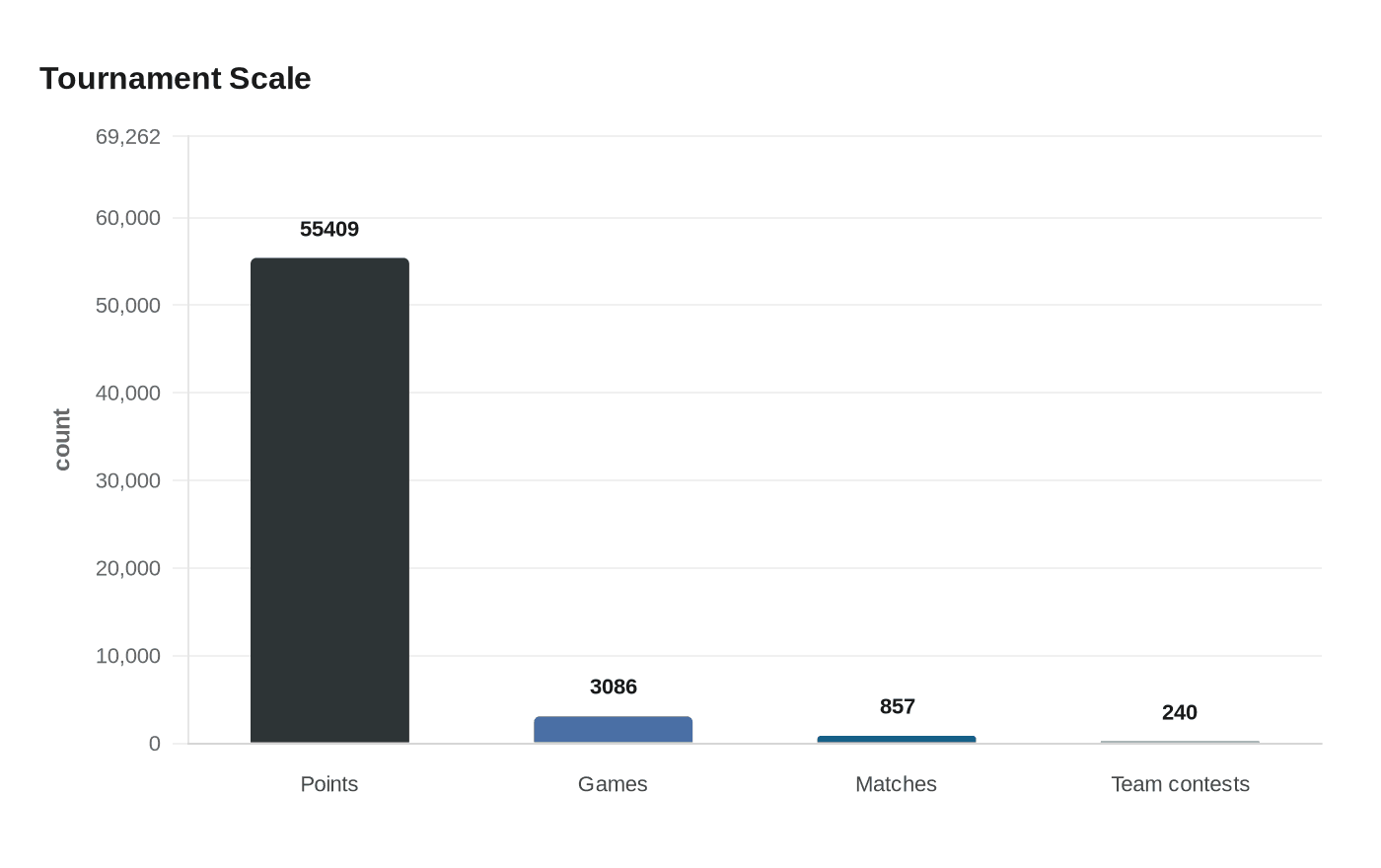
Fifty-five thousand four hundred nine points is the figure that tells you London 2026 was not a ceremonial stop on the calendar. Across 240 team contests, 857 individual matches and 3,086 games, the centenary World Team Table Tennis Championships became a test of depth, nerve and staying power rather than a simple parade of favorites.
That volume matters because it shows how much competitive weight the event carried. With 64 men’s teams and 64 women’s teams in the draw, Table Tennis England had every reason to call it the biggest Worlds ever staged, and the numbers backed that claim up from the first ball to the last.
A tournament built on endurance, not just brilliance
The extremes on the clock say as much about London 2026 as the medal table. Egypt’s men beat Turkey 3-2 in Stage 1b in the longest match of the championship, a three-hour, 31-minute and 12-second marathon that demanded everything from both teams. At the other end of the scale, Ukraine’s women dispatched Rwanda 3-0 in 38 minutes and 43 seconds, a reminder that the draw contained both knife-edge drama and sharp mismatches.
China’s men logged the most time on court of any team at 18 hours and 10 minutes, a telling sign of how hard they had to work even while controlling the event’s biggest stages. The format reinforced that pressure from the outset: Stage 1B began with 56 men’s nations and 56 women’s nations fighting for a route forward, and only after that phase concluded were all 24 teams advancing to Stage 2 confirmed. The top seven seeds and hosts England were already placed deeper into the draw, which only heightened the value of every result in the preliminary rounds.
The players who turned volume into meaning
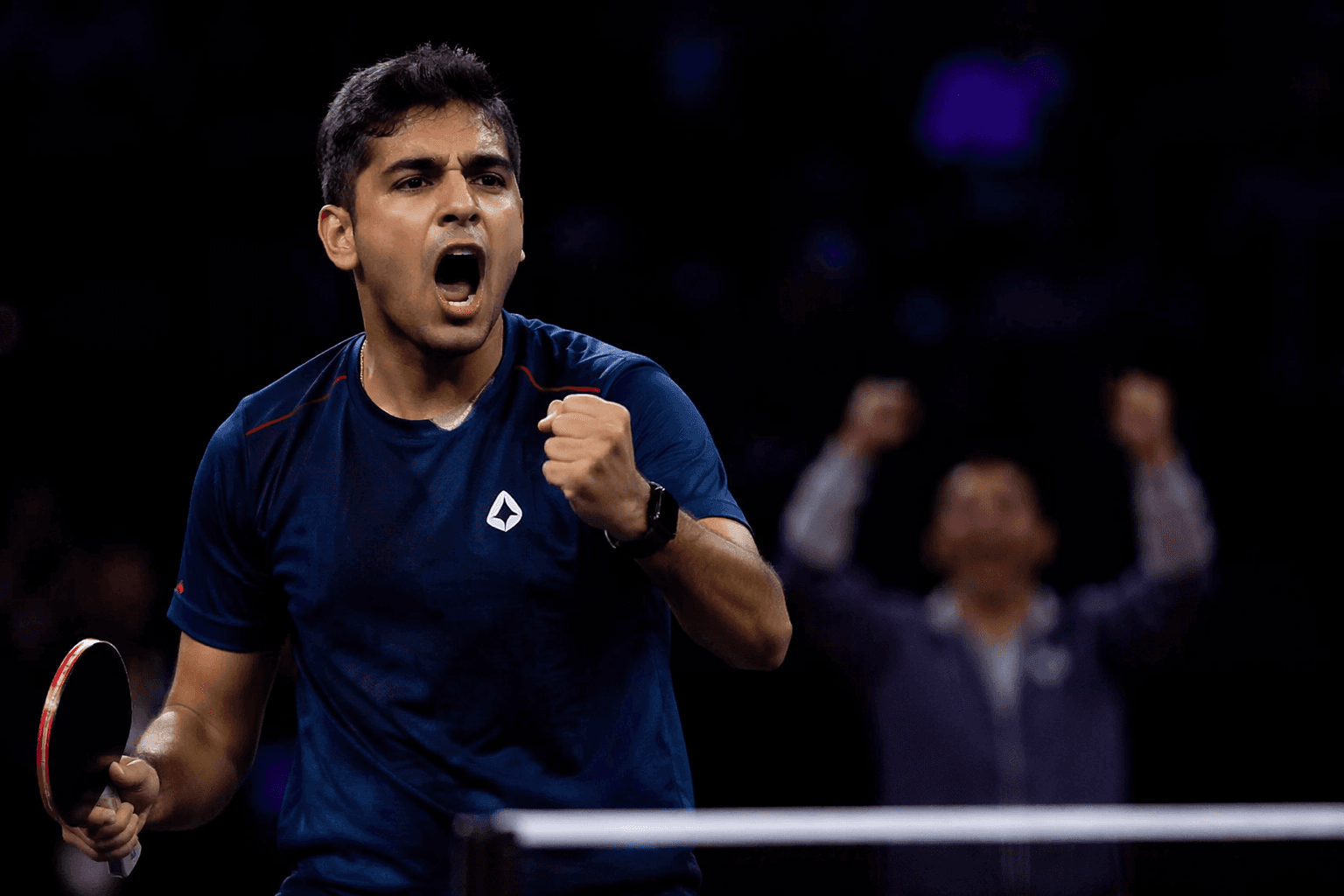
Tomokazu Harimoto was the tournament’s ultimate workload player, appearing in 13 matches and banking 878 points. That kind of output is more than a statistical curiosity: it captures the grind of carrying a side deep into a championship where every point had consequences, every recovery day mattered and every opponent knew exactly what the stakes were.
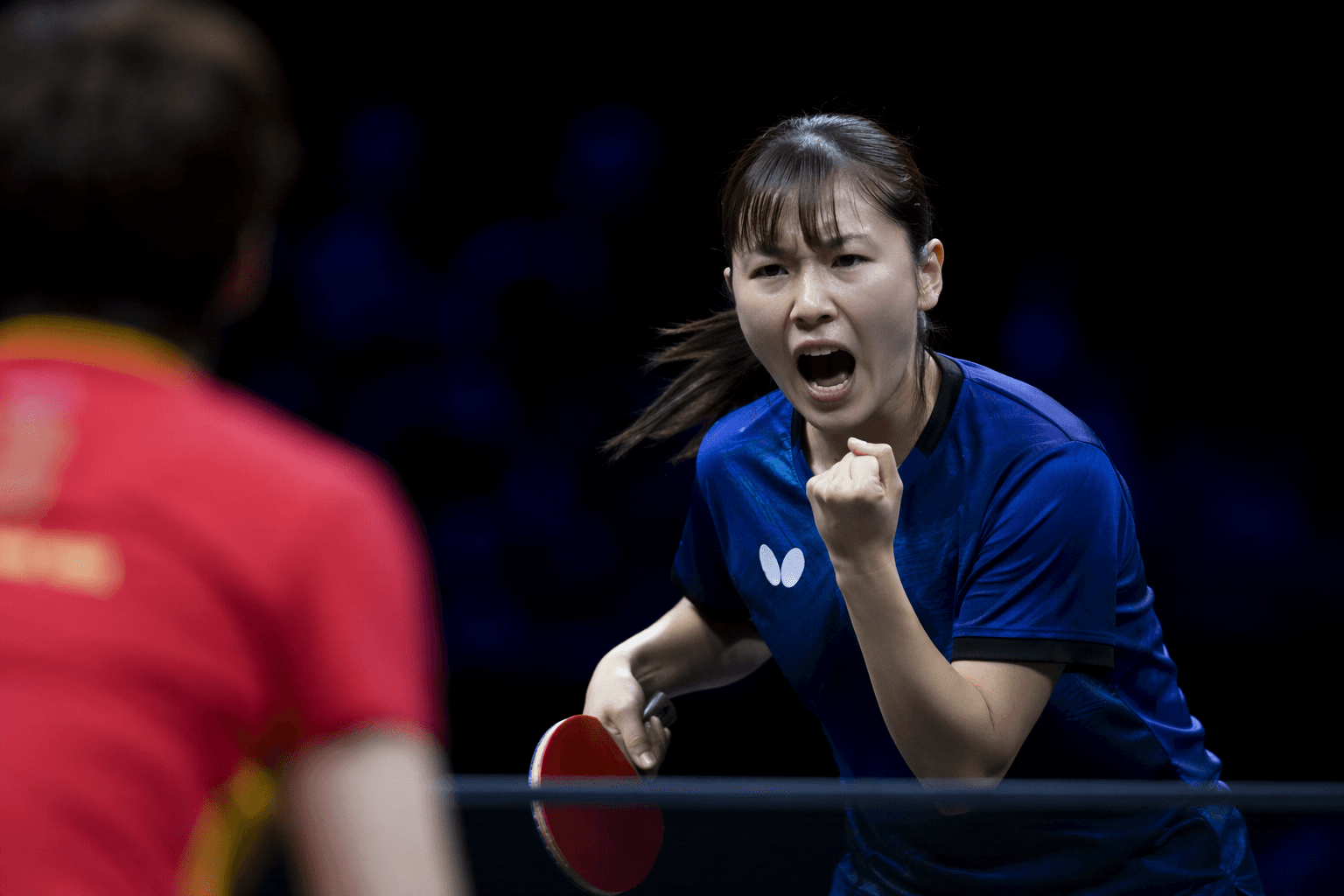
China’s elite were spotless when the pressure peaked. Wang Chuqin went 10-for-10 and Sun Yingsha finished 9-for-9, perfect runs that underline why China remained the standard in team table tennis. Their consistency was not just about talent. It was about the ability to absorb the emotional drag of a long event and still produce clean, decisive results when the bracket tightened.
There were also unbeaten stories with wider resonance. Hana Goda of Egypt and Margaryta Pesotska of Ukraine both finished without a loss in their runs, proof that the centenary event was not only a showcase for the traditional powers. Pesotska’s result carried extra historical depth too: her first World Championships went back to 2006, so her unbeaten showing in London added another chapter to one of the event’s longer careers.
Then there was Ni Xia Lian, whose 26th ITTF World Championships appearance set a world record that stretches back to her debut for China in 1983. In a tournament full of youthful pace and emerging names, her presence gave London 2026 a rare sense of continuity. The centenary was about the past and future at once, and Ni embodied that bridge better than almost anyone else.
China and Japan defined the championship’s competitive ceiling
The final stage confirmed that the sport’s top tier is still shaped by one central rivalry. China’s men beat Japan 3-0 to retain the Swaythling Cup for a record 24th time, while China’s women came from 1-2 down against Japan to claim a record 24th world title. Those two finals did more than decide gold medals. They showed that when the championship reaches its most serious pressure points, China and Japan remain the benchmark.
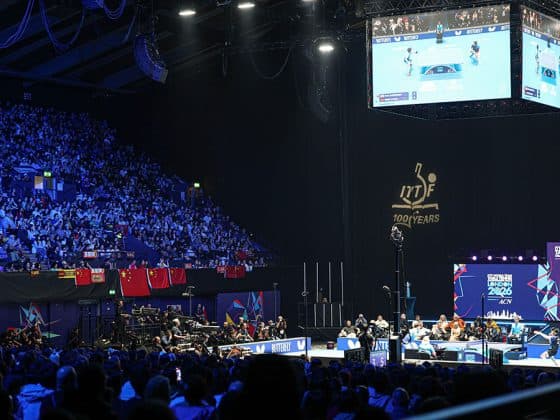
The setting gave the matches even more force. More than 7,000 spectators filled a sold-out OVO Arena Wembley for the finals, turning the last day into a genuine showcase rather than a closed-door elite event. The last time China and Japan met in a World Team Table Tennis Championships final before London was 2016, so the rematch felt like a return to unfinished business as much as a title decider.
That matters for how the tournament should be read. If the early rounds supplied breadth and surprise, the ending proved that the sport’s highest ceiling still belongs to the teams with the most complete systems, the deepest benches and the strongest response under final-round stress.
The centenary effect reached well beyond the scoreboard
London 2026 carried the symbolic weight of a homecoming. The championships ran from 28 April to 10 May 2026 across Copper Box Arena in Queen Elizabeth Olympic Park and OVO Arena Wembley, exactly 100 years after the first World Table Tennis Championships were staged in London in 1926. The ITTF framed that as the sport returning to its birthplace, and the message landed clearly because this was the eighth time London had hosted a World Championships.
The scale off the table was just as revealing. The event relied on 363 volunteers, 21,402.75 volunteer hours and 3,239 shifts. It also distributed 58,921 tickets and sold 38,468, while more than 200 media personnel were accredited by the time the centenary chapter closed. Those figures show a tournament that was not just watched by insiders. It was supported by a sizable civic and media operation that gave table tennis a bigger public stage than it usually gets.
That stage was further elevated by the visitors in attendance. The Duke of Edinburgh met athletes, officials and volunteers and watched part of the Round of 16, while IOC President Kirsty Coventry was present on the final day at OVO Arena Wembley and joined the centenary celebrations. Those appearances do not decide competitive legacy, but they do signal institutional attention, and that is part of how a sport raises its profile.
The clearest sign that London 2026 mattered is this: 380 players were expected, 19 of the top 20 men and most of the top 20 women entered, and the championship still produced marathon matches, perfect runs, record appearances and a final rivalry that reached a sold-out arena. The centenary did more than celebrate the past. It reminded the sport how large its best stage can feel when the stakes are real.
This article was produced by Prism’s automated news system from verified source data, official records, and press releases, then run through automated quality and moderation checks before publishing. The system is built and supervised by the people who set the standards it runs under. Read our full AI policy.
Did this article answer your question?