Table tennis coaches learn from elite minds at London 2026 championships
China’s title sweep was only half the story: London 2026 also gave coaches a live blueprint for serve-receive, pressure management and smarter workload control.

London’s biggest Worlds became a coaching lab
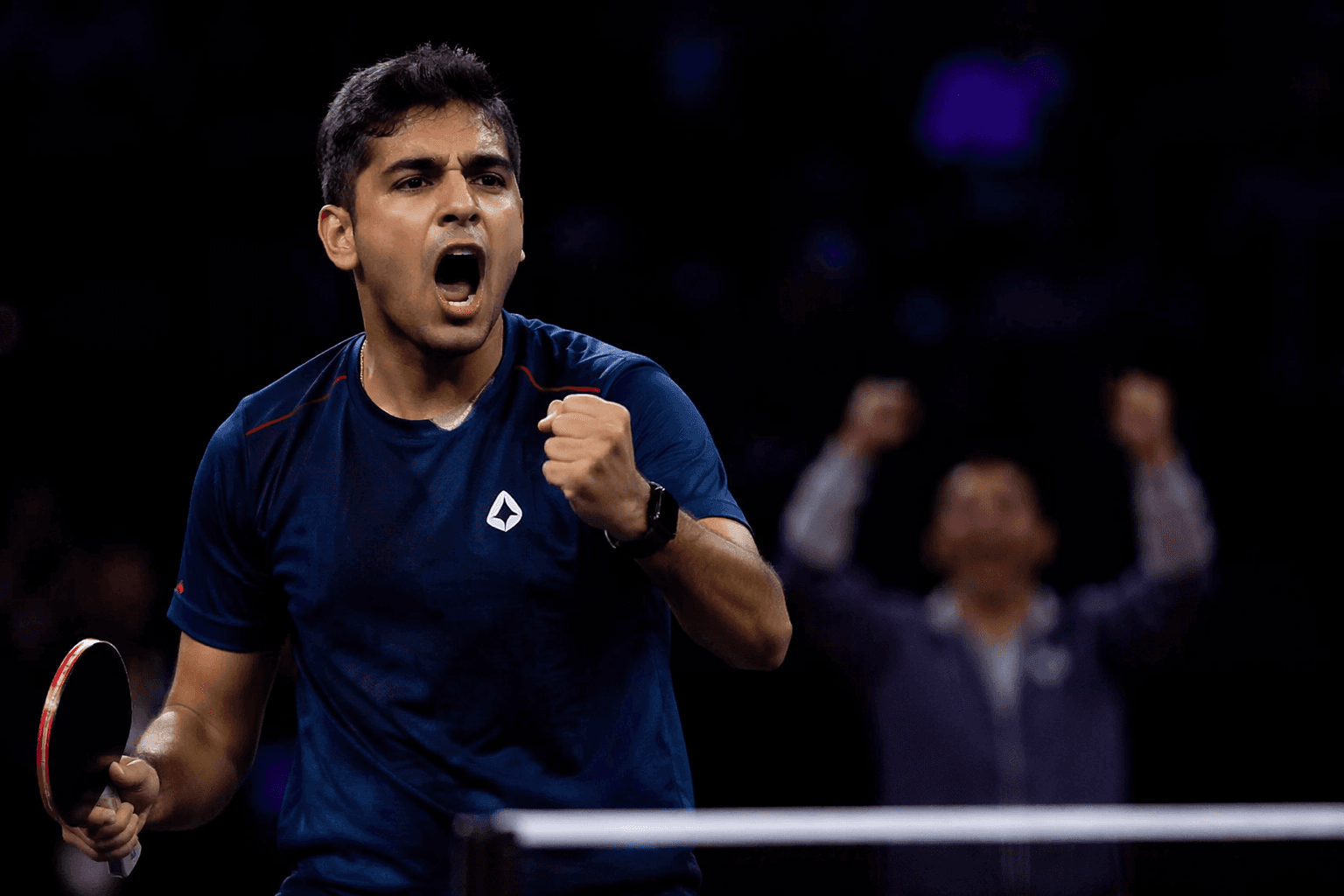
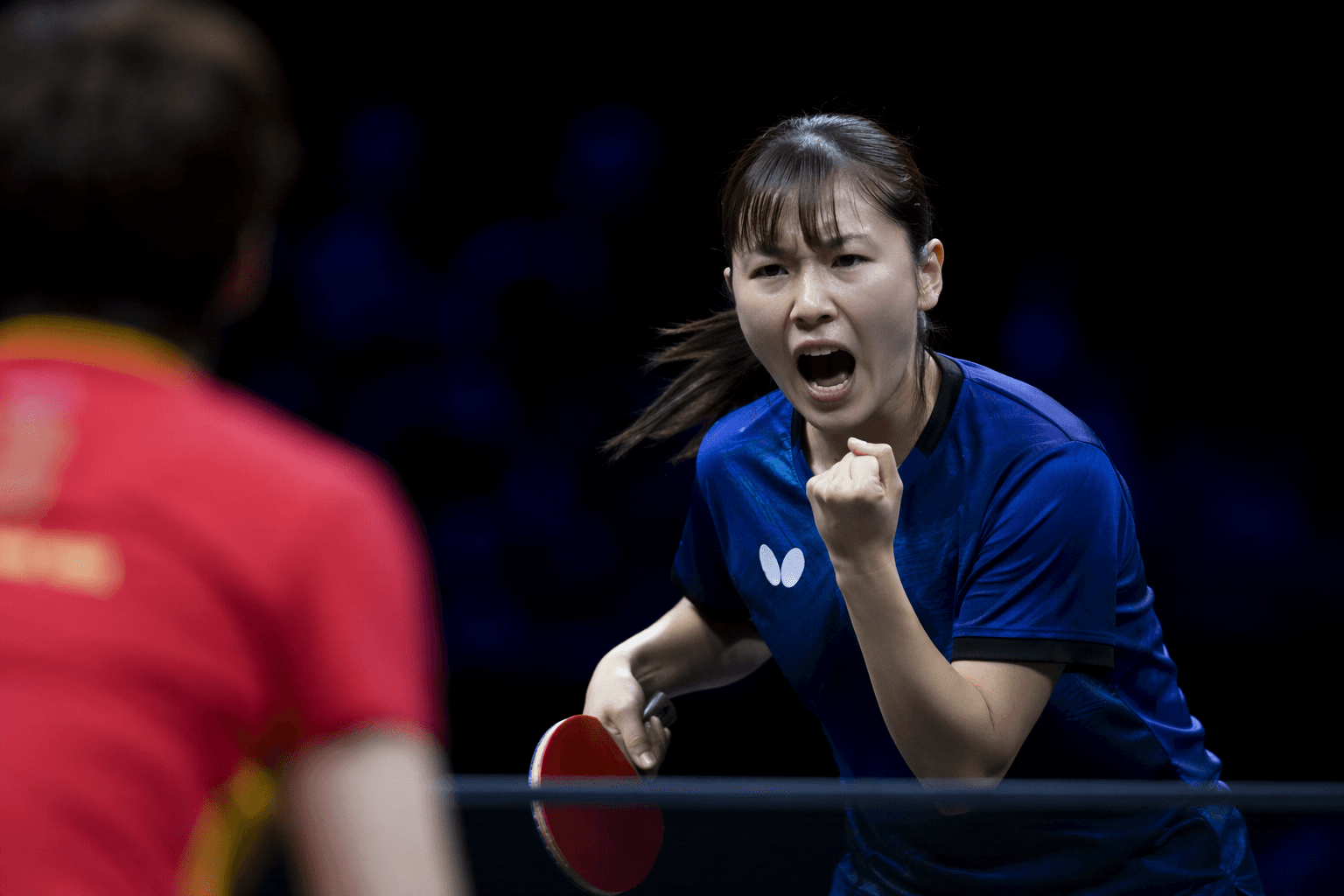
China won both the men’s and women’s team titles at the ITTF World Team Table Tennis Championships Finals London 2026 Presented by ACN, but the sharper takeaway for the sport’s future happened away from the podium. The championships ran from 28 April to 10 May 2026 across Copper Box Arena and OVO Arena Wembley, bringing together 64 men’s teams and 64 women’s teams, about 380 players in all, and a field Table Tennis England described as the biggest World Championships ever staged. Japan pushed into both finals before finishing runner-up in each, and the final-day presence of IOC President Kirsty Coventry underlined how big this centenary event had become.
That scale mattered because London 2026 was not just another stop on the calendar. It marked 100 years since the first ITTF World Table Tennis Championships were staged in London in 1926, so the sport returned to the city where its global championship story began. In a tournament that large and that loaded with history, the margins were everywhere: on the first serve, on the first step, on the first tactical adjustment after a lost point. That is exactly why the coaching conference inside the event had so much weight.
Three days that turned elite matches into a coaching manual
The Coaching Conference ran during the championships and stretched across three days of presentations, practical work and discussion. It was not a sit-and-listen seminar; the format mixed classroom ideas with on-table learning and open conversation, which is where the real value sat. Coaches were not just hearing what world-class players and coaches do, they were being shown why those choices work when the score tightens and the ball arrives faster than the brain wants to process.
The main frame was modern performance, and that frame was brutally specific: tactical, technical, physical and psychological. At the top level, table tennis is less about owning one beautiful stroke and more about managing tiny decisions at insane speed. If London 2026 showed anything, it is that the sport now rewards the coach who can prepare a player for the first two balls, the reset after a bad point, and the discipline to keep the structure when the match starts to wobble.

Lesson one: the first exchange is the match
Serve and receive patterns sat at the heart of the modern game, because the opening exchange now decides too much to treat it as routine. The best players at London 2026 were not just trying to start rallies, they were trying to control them before they began, using placement, spin variation and recovery position to dictate what came next. That is the lesson grassroots coaches should steal immediately: train the first two balls like they are the match, because at this speed they often are.
This is where the conference’s emphasis on tactics became useful rather than abstract. Coaches observing the championships could see how quickly a weak receive got punished, how a rushed third ball created a chain reaction, and how elite players bought themselves time with a serve that did more than simply get the ball in play. If you want players who can survive higher levels, the first job is teaching them not to donate the opening point.
Lesson two: defense is now a weapon, not a refuge
Jörgen Persson, described as the current Saudi Arabia coach, and Joo Se-hyuk led a practical session on modern defensive play that put movement, posture and transitions at the center of the conversation. That matters because the old image of defense as passive blocking is obsolete. Modern defenders have to change height, recover fast, and shift from absorbing pressure to creating pressure with the next ball.
The detail here is important for coaches building young players. Posture is not just a technical note, it shapes how early a player sees the ball. Transition work is not just fitness, it is the bridge between surviving a rally and winning it. London 2026 showed that defense at the elite level is a design problem, not a desperation tactic.

Lesson three: pressure training has to feel uncomfortable
Mikael Andersson and Dave Hembrough added another layer, focusing on player development, decision-making under pressure and the value of realistic training environments. That is the part too many sessions get wrong. Players can look brilliant in drills and still freeze when the score hits 8-8, because the drill never asked them to think, choose and recover under consequence.
The conference pushed the opposite idea. Training should include score pressure, awkward patterns and decisions that do not come neatly wrapped in a coach’s plan. Match management is not a slogan, it is a skill built by repeatedly asking players to solve problems when the easy option is gone. The coaches who internalize that will build players who do not just hit well, but compete well.
Lesson four: physical preparation now includes the workload conversation
Liu Shiwen brought a different kind of authority to the room. She is a former women’s world No. 1, the 2019 women’s singles world champion and co-chair of the ITTF Athletes’ Commission, and her perspective tied playing experience to the realities shaping the modern tour. She spoke about adapting as rules, equipment and styles evolve, which is a reminder that even the cleanest technique has to survive constant change.

In April 2026, Liu also said her focus extended beyond medals to workload, prize money distribution, racket-control procedures and result accuracy. That is not side chatter. It is part of physical preparation, because workload management now affects how players train, how often they can peak and how long they can stay healthy enough to develop. Coaches building the next generation cannot treat recovery, schedule and governance as issues outside performance; they are part of performance.
Lesson five: the bench has to talk in real time
The conference’s interactive structure, with open conversations and a mix of classroom and on-table learning, also pointed toward a more modern idea of bench communication. The best coaching exchanges are not speeches delivered from a distance. They are fast, precise and grounded in what the player is seeing in the middle of a point, not what looked good on video an hour later.
That matters because elite table tennis is now so compressed that the coach who can give one usable cue between points is often worth more than the coach who can explain 12 things after the match. London 2026 made that visible. The sport’s best minds were not only showing what happens at the top, they were showing how to pass that knowledge down without losing the edge that makes it work.
That is the real legacy of London 2026. China’s double title confirmed who finished on top, but the coaching conference explained how the next climb is going to happen: sharper first-ball patterns, smarter defense, better pressure habits, cleaner workload planning and bench communication that actually changes matches.
This article was produced by Prism’s automated news system from verified source data, official records, and press releases, then run through automated quality and moderation checks before publishing. The system is built and supervised by the people who set the standards it runs under. Read our full AI policy.
Did this article answer your question?