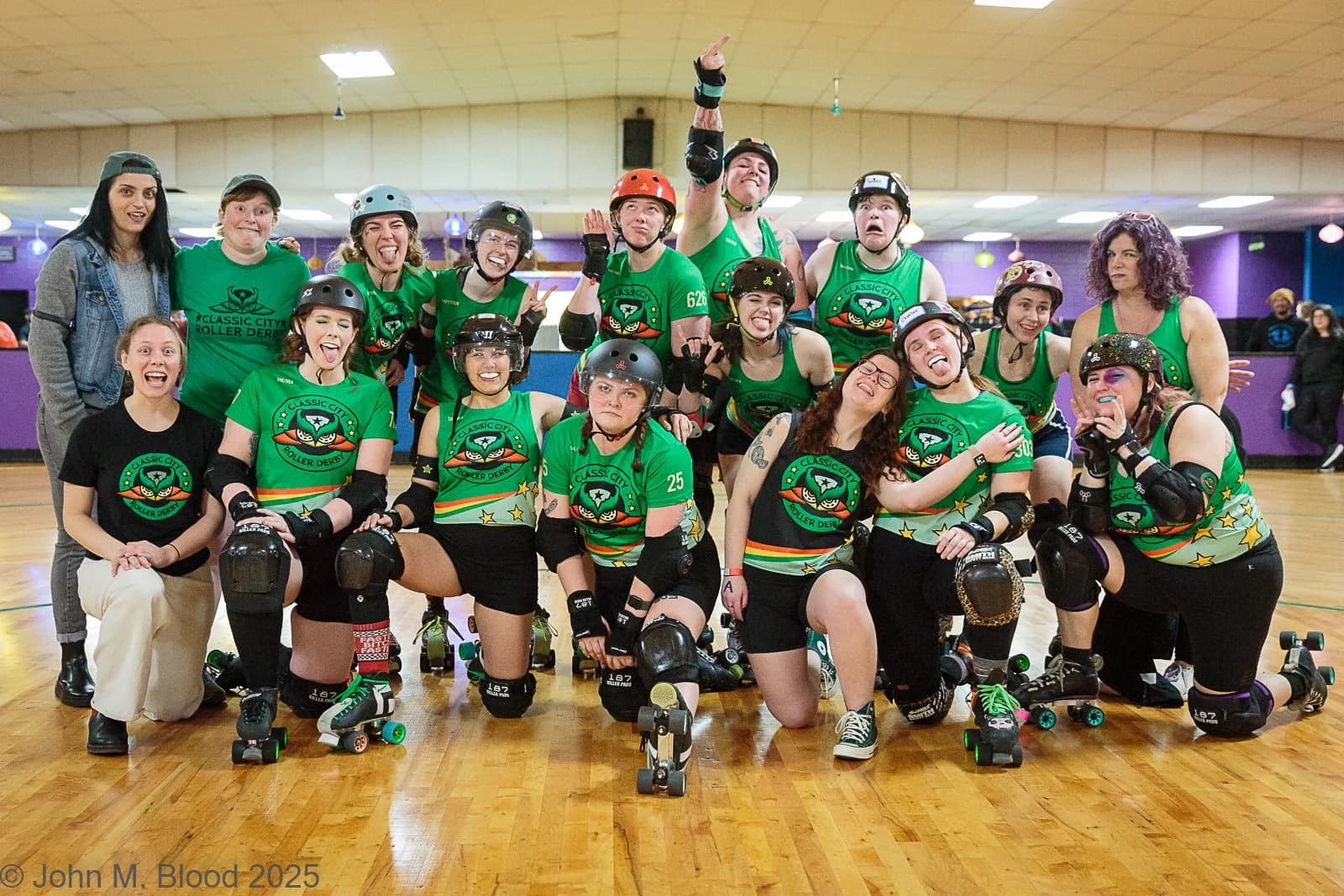
Cincinnati Roller Derby profile spotlights city pride and tactical grit
Cincinnati Roller Derby has spent 20 years turning volunteer-run flat-track grind into a city fixture, with a new name, a Pride presence and a hard-earned WFTDA place.
Cincinnati Roller Derby has spent 20 years proving that a skater-built league can become part of a city’s identity without losing its edge. The group’s shift this year from Cincinnati Rollergirls to Cincinnati Roller Derby reflects the sport’s diversity of gender expression, but the bigger story is endurance: since 2006, the league has grown from a local DIY experiment into one of Cincinnati’s most recognizable grassroots athletic institutions.
A city institution with a day of its own
The league’s civic footprint goes beyond game nights. Former Mayor Mark Mallory once declared June 19, 2010, to be the team’s official day, a symbolic marker that captured how deeply roller derby had already been woven into Cincinnati life. That kind of recognition is rare for a niche sport, and it helps explain why the league still feels less like a novelty act than a long-running local tradition.
That durability matters because roller derby has always had to fight the wrong assumptions. Outsiders may still picture costume-heavy spectacle, but Cincinnati’s version has been about speed, structure and contact for nearly two decades. The city’s team has survived because it built itself into the community rather than trying to sell itself as a sideshow.
What happens on the track
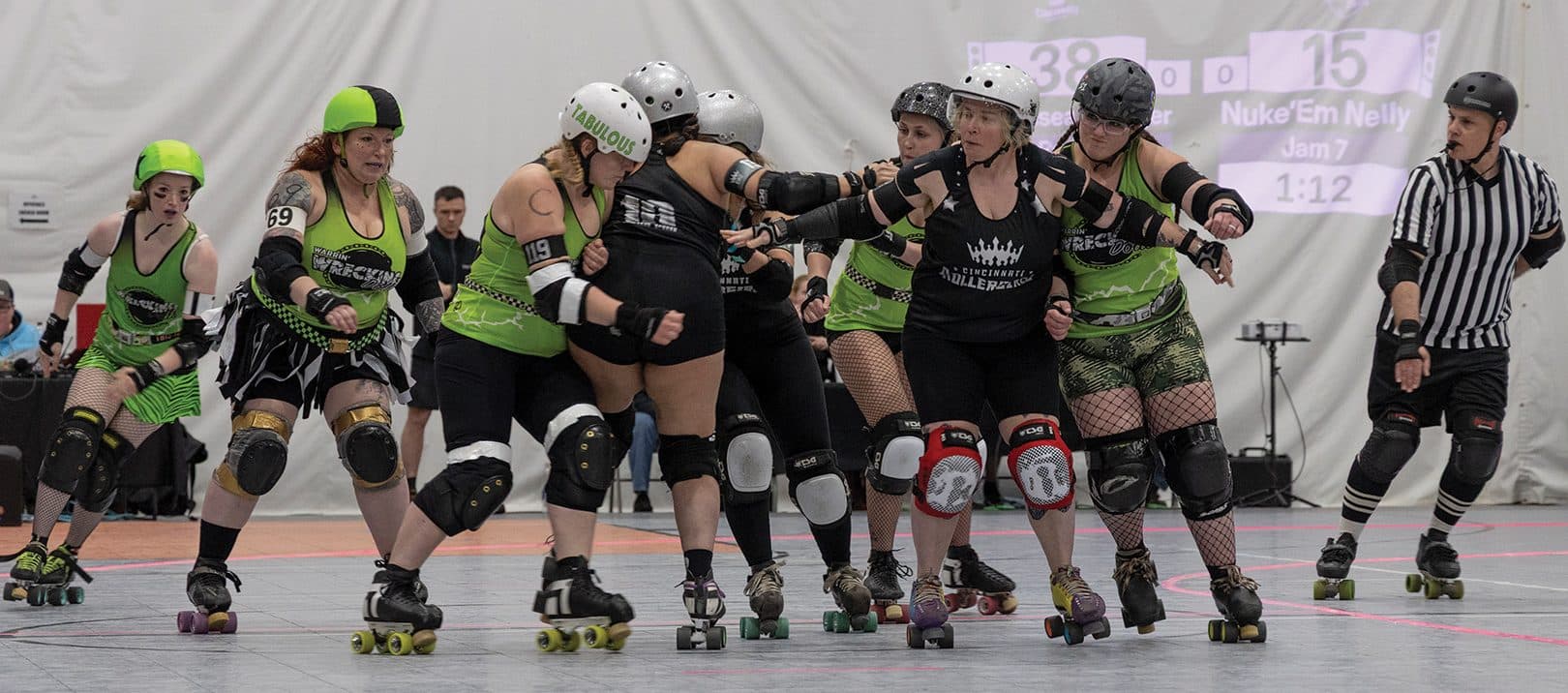
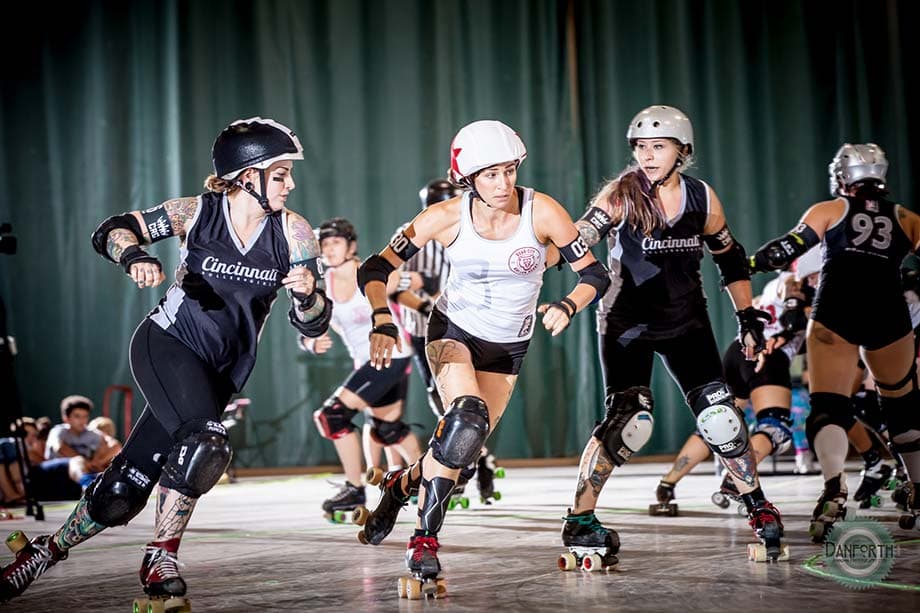
At its core, derby is a 60-minute bout built from short, explosive jams on an oval track. Each jam is a two-minute chess match on skates, with one jammer, three blockers and one pivot per team, and every skater has to attack and defend at the same time. The result is less pageant than pressure, with positioning, timing and leverage deciding whether a pack breaks open or locks down.
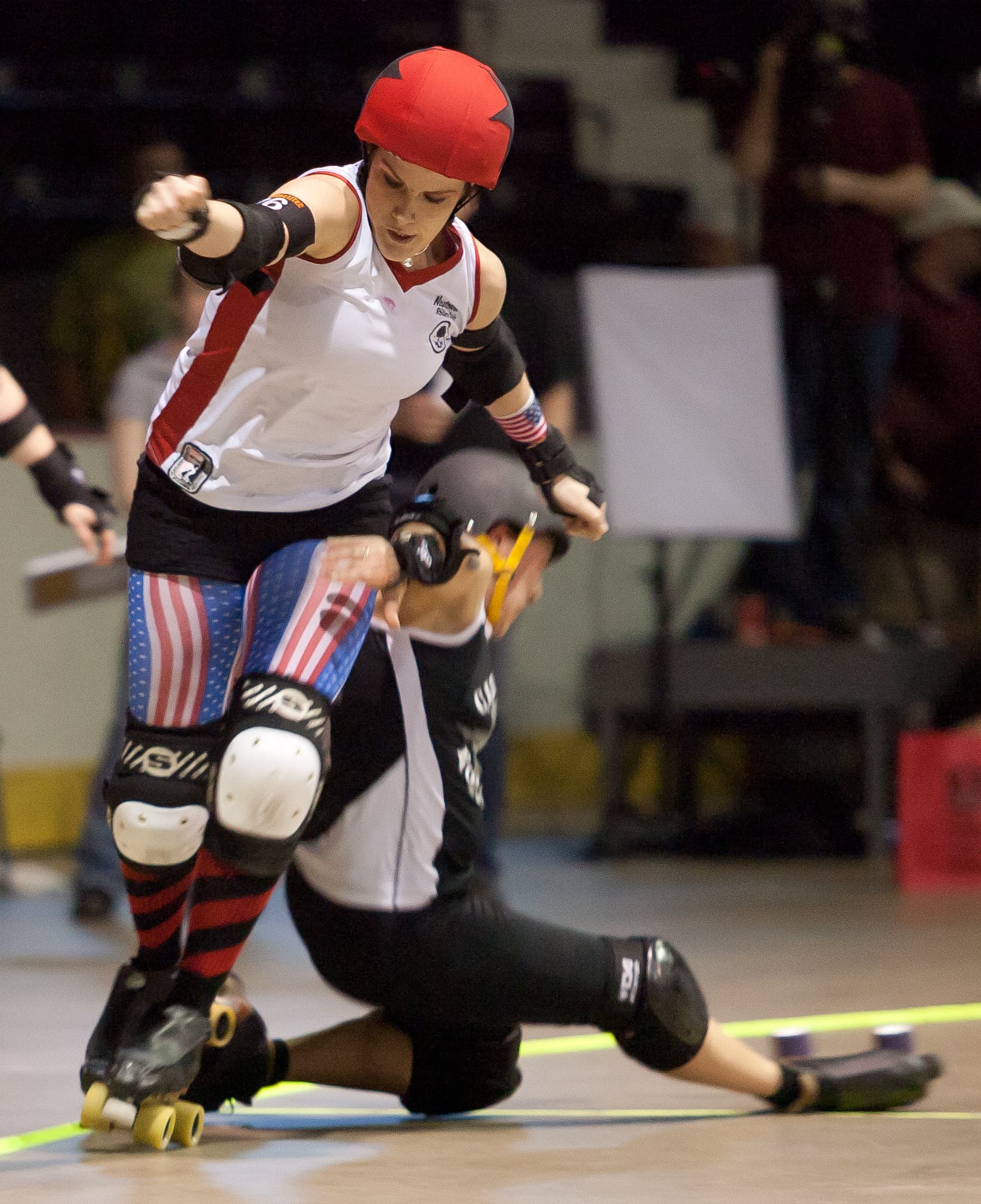
The physical cost is part of that bargain. Concussions, broken ankles and other injuries are not abstract risks in this sport, they are part of the reality of full-contact play. That is one reason the best derby teams earn respect the hard way: by staying organized, disciplined and healthy enough to keep coming back.
Why the name change matters
The move from Cincinnati Rollergirls to Cincinnati Roller Derby is more than branding. It acknowledges that the sport has expanded beyond old gender labels and that the league wants its name to reflect the people actually skating in it. In a sport that has often had to define itself from the margins, language matters, and Cincinnati chose a name that matches the league it has become.
That evolution also fits the broader history of the game. Modern flat-track derby spread quickly because it could be played on almost any flat surface, which helped leagues take root in communities like Cincinnati in the mid-2000s. What started as a revivable, flexible format has become a stable local sports culture, one that adapts without losing its do-it-yourself backbone.
Built by members, backed by volunteers
Cincinnati’s story is also the story of the Women’s Flat Track Derby Association, the international governing body that now represents more than 400 member leagues on 6 continents. WFTDA lists Cincinnati Roller Derby as a member league in Cincinnati, Ohio, but the organization’s larger point is just as important: most roller derby leagues are run by their own members, with community volunteers helping game-day operations. That structure explains why the sport still feels community-built rather than franchise-driven.
WFTDA’s own history shows how quickly the modern game organized itself. The group began as the United Leagues Coalition in 2004, had 20 flat track leagues represented at its first meeting in 2005 and opened to new members in September 2006. That same year, it created East and West competitive regions and a quarterly ranking system, giving the sport a framework that allowed teams like Cincinnati to measure themselves against peers across the continent.
The rankings, the rivalries and the rebound
The competitive side still gives the league stakes beyond neighborhood pride. WFTDA says its competitive season runs two years long, with regional championships held from April through June in even-numbered years and top teams advancing to the global championship tournament in October or November. Cincinnati’s current listing puts the team 68th in NA Northeast, while its highest-ever regional ranking reached 28th in February 2023.
The stats page also captures how fine the margins can be. Cincinnati’s closest-ever game in the database was a one-point win on Sept. 6, 2009, and Grand Raggidy shows up as the team’s biggest rival. Those numbers matter because they show a league that has spent years fighting for every inch, every ranking point and every result that helps define its place in the wider derby map.
What the 20th season says about the future
The anniversary lands after a difficult stretch, not a celebratory straight line. Cincinnati Magazine reported in 2022 that the league’s pandemic pause lasted more than 2.5 years before return-to-play guidelines finally allowed strict resumption, and that the league is run entirely by volunteers while skaters pay to play. That kind of rebuild would have knocked out many niche sports organizations, but Cincinnati Roller Derby returned with its identity intact.
The league’s 20th season is already part of the city’s cultural calendar. Cincinnati Magazine’s 2026 Pride calendar includes a Cincinnati Roller Derby Pride Mixer, and CRD’s Black Sheep are set to face Vette City Roller Derby in the first double-header of the 20th season. That is the clearest proof yet that the sport is not hanging on at the edges of city life, but operating squarely inside it, where Cincinnati has room for grit, pride and a league that still knows how to skate forward.
This article was produced by Prism’s automated news system from verified source data, official records, and press releases, then run through automated quality and moderation checks before publishing. The system is built and supervised by the people who set the standards it runs under. Read our full AI policy.
Know something we missed? Have a correction or additional information?
Submit a Tip